
The Dumbbell Vector: Rubber Hex vs Urethane Value Breakdown
Analyze the dumbbell vector, material durability, and 10-year cost breakdown of rubber hex vs urethane dumbbells to maximize your gym budget.

Defining the Dumbbell Vector in Equipment Valuation
When building a commercial facility or a high-end garage gym in 2026, the debate between rubber hex and urethane dumbbells is rarely just about aesthetics. In biomechanics and equipment engineering, the dumbbell vector refers to the directional distribution of mass relative to the grip center. This physical vector dictates not only the stabilization demands on the lifter’s rotator cuff and wrist flexors but also the structural stress placed on the dumbbell's handle-to-head junction during dynamic movements. When we analyze the budget and long-term value of rubber hex versus urethane dumbbells, understanding this physical and economic vector is crucial to predicting equipment failure and calculating true cost-per-year.
While budget-conscious buyers often default to rubber hex dumbbells due to a lower upfront cost, the long-term amortization tells a vastly different story. Urethane dumbbells represent a premium tier of free weights, but do they justify a price tag that is often two to three times higher? In this comprehensive value analysis, we break down the material science, ergonomic vectors, and 10-year financial impact of both options to help you allocate your fitness budget with precision.
Material Science: Virgin Rubber vs. Cast Polyurethane (CPU)
To understand the value proposition, we must first examine the molecular differences between the two primary coatings. The durability of a dumbbell is directly tied to how well its outer shell absorbs kinetic energy when dropped, resisting tears, abrasions, and environmental degradation.
The Reality of Recycled and Virgin Rubber
Most budget-friendly hex dumbbells, such as the widely available CAP Barbell Hex Dumbbells, utilize a mix of recycled and virgin rubber. While this material provides adequate floor protection and keeps the initial price per pound low (averaging $1.60 to $2.20 per pound in 2026), it comes with significant drawbacks. Recycled rubber is highly susceptible to UV degradation and temperature fluctuations. Over a 3-to-5-year period, the plasticizers in the rubber begin to leach out, leading to a brittle surface that chips upon impact. Furthermore, cheaper rubber compounds are notorious for off-gassing volatile organic compounds (VOCs), which can make poorly ventilated gym spaces smell distinctly of tires and chemicals.
The Urethane Advantage: Cast Polyurethane (CPU)
Urethane, specifically Cast Polyurethane (CPU), is a synthetic elastomer that bridges the gap between rubber and hard plastic. It boasts a significantly higher tensile strength and tear resistance than rubber. Premium options like Rogue Fitness Urethane Dumbbells utilize high-density CPU that is virtually odorless, UV-resistant, and impervious to moisture. When a urethane dumbbell is dropped from shoulder height, the material compresses and rebounds without suffering the micro-tears that plague rubber. According to extensive durability testing by Garage Gym Reviews, urethane maintains its structural integrity and aesthetic finish for over a decade, even in high-traffic commercial environments.
The 500 lb Set Budget Matrix
Let us look at the hard numbers. The following table compares the upfront costs of a standard 500 lb dumbbell set (pairs ranging from 5 lbs to 50 lbs in 5 lb increments) based on average 2026 market pricing.
| Feature / Metric | Rubber Hex Dumbbells | Premium Urethane Dumbbells |
|---|---|---|
| Average Price Per Pound | $1.60 - $2.20 | $3.80 - $5.50 |
| Total Set Cost (500 lbs) | $800 - $1,100 | $1,900 - $2,750 |
| Handle Material | Standard Chrome / Bolt-on | Hard Chrome / Friction Welded |
| Head Shape | Hexagonal (Anti-roll) | Round / Multi-faceted |
| Estimated Lifespan | 3 - 6 Years | 12 - 20+ Years |
| Odor / Off-Gassing | Moderate to High | None |
10-Year Amortization and Cost-Per-Year Analysis
Upfront pricing is a poor metric for evaluating gym equipment. To find the true value, we must calculate the cost-per-year over a 10-year lifecycle, factoring in replacement costs and maintenance.
The 10-Year Cost Reality Check
Rubber Hex Scenario: You purchase a 500 lb set for $1,000. By year 4, the rubber edges on the heavier dumbbells (35-50 lbs) begin to chunk off from repeated drops, and the chrome handles show signs of pitting and rust due to sweat accumulation. In year 5, you are forced to replace the top 3 pairs and eventually the entire set by year 8. Total 10-year spend: ~$2,200.
Urethane Scenario: You purchase a 500 lb set for $2,400. The CPU coating absorbs daily abuse without tearing. The friction-welded handles remain perfectly intact. At year 10, the set looks lightly used and retains a high resale value. Total 10-year spend: $2,400.
The Takeaway: The cost gap narrows from a $1,400 difference to just $200 over a decade, with urethane providing a vastly superior user experience throughout.
Ergonomic Vectors: Grip, Balance, and Knurling
The physical dumbbell vector—how the weight is distributed around your hand—changes significantly between hex and round urethane designs. This impacts both the biomechanics of the lift and the perceived quality of the equipment.
Hexagonal Balance and the Center of Mass
Rubber hex dumbbells feature a flat-edged design intended to prevent rolling. However, the hex shape pushes the center of mass slightly further away from the handle compared to a compact, round urethane head. During stabilization-heavy movements like lateral raises, chest flies, or farmer's carries, this altered vector creates a subtle rotational torque on the wrist. While advanced lifters may not notice, it increases fatigue in the forearm flexors over high-rep sets.
Handle Diameter and Knurling Depth
Urethane dumbbells typically feature precision-machined handles with a diameter of 34mm to 35mm, optimized for a secure grip without overtaxing the thumb wrap. The knurling on premium urethane sets is usually medium-to-deep, providing aggressive traction that bites into chalked hands. Conversely, budget rubber hex dumbbells often use thinner, 30mm to 32mm handles with shallow, stamped knurling that wears smooth within two years of heavy use, turning the dumbbell into a slipping hazard during heavy pressing movements.
Real-World Failure Modes & Edge Cases
Understanding exactly how these dumbbells fail helps justify the budget allocation. Here are the most common edge cases and failure modes observed in commercial and garage gyms:
- Bolt-On Head Separation (Rubber Hex): Many budget hex dumbbells use a bolt-on or threaded head design. Under the extreme lateral vector forces of exercises like dumbbell lunges or step-ups, the internal threading can strip, causing the heavy rubber head to wobble or detach completely.
- Chrome Flaking and Rust (Rubber Hex): Lower-tier chrome plating is porous. When exposed to the acidic pH of human sweat, the chrome flakes off, exposing raw iron to oxidation. This not only ruins the grip but stains gym flooring.
- Cosmetic Scratching (Urethane): The primary failure mode of urethane is purely cosmetic. Dragging a urethane dumbbell across rough concrete will scratch the surface. However, because CPU is a homogenous material, these scratches do not compromise the structural integrity or lead to peeling.
- Friction Welding Fatigue (Urethane): In ultra-high-volume commercial gyms (e.g., CrossFit affiliates where dumbbells are dropped from overhead daily), even friction-welded urethane handles can eventually develop micro-fractures at the collar junction after 7+ years of extreme abuse.
Final Verdict: Where to Allocate Your Budget
The decision between rubber hex and urethane dumbbells ultimately hinges on your financial timeline and the intended environment. If you are outfitting a temporary pop-up gym, a low-budget apartment complex fitness center, or a beginner home gym where drops are rare and capital is strictly limited, rubber hex dumbbells provide the necessary utility to get the job done. Just be prepared to ventilate the space and replace the heavier pairs every few years.
However, if you are investing in a lifelong garage gym, a boutique personal training studio, or a commercial facility where equipment downtime is unacceptable, urethane dumbbells are the undisputed champions of value. The superior dumbbell vector balance, odorless CPU material, and friction-welded longevity transform a high upfront expense into a highly cost-effective, multi-decade asset.
Expert Gear Tip: If your budget cannot accommodate a full 5-50 lb urethane set, adopt a hybrid approach. Purchase rubber hex dumbbells for the lighter weights (5-25 lbs) where drop-impact and handle stress are minimal, and invest your capital in urethane for the heavy hitters (30-50+ lbs) that endure the most kinetic abuse and structural torque.
More gear to consider
All reviews
Barbell vs Dumbbell Shrugs: Troubleshooting Neoprene Home Workouts

Home Gym Setup: Olympic vs Standard Plates & Rear Delts Dumbbells

Best Adjustable Dumbbells for Wide Dumbbell Curls: 2026 Setup Guide
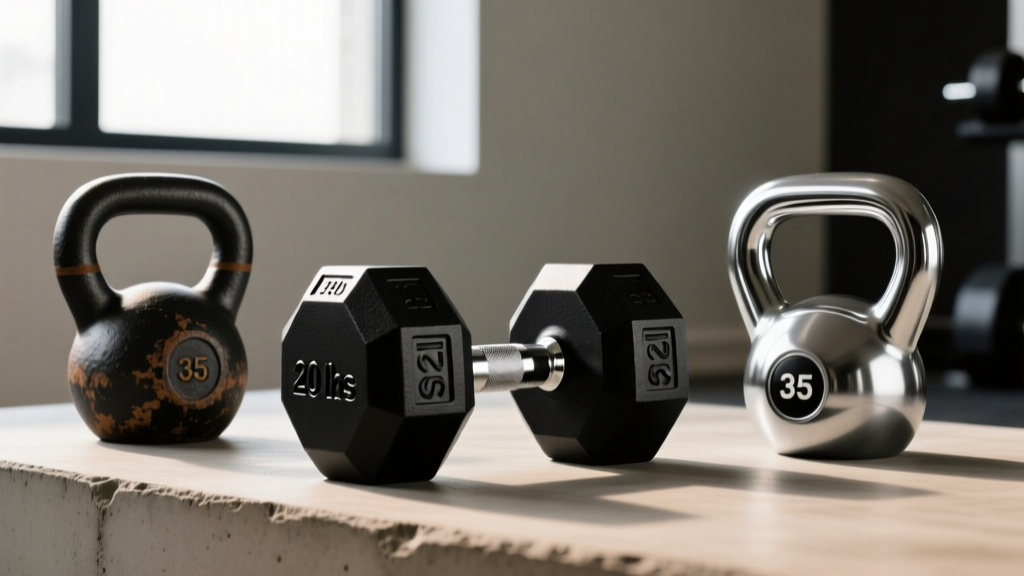
Cast Iron vs Competition Kettlebells & Black Dumbbell Set Value
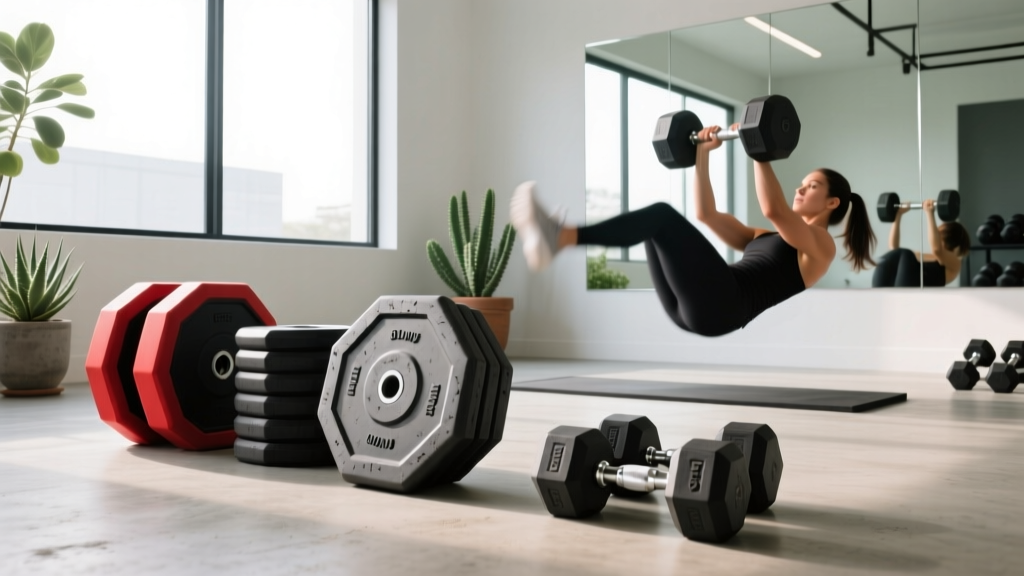
Bumper vs Iron Plates: Gear for Core Workouts at Home with Dumbbells
