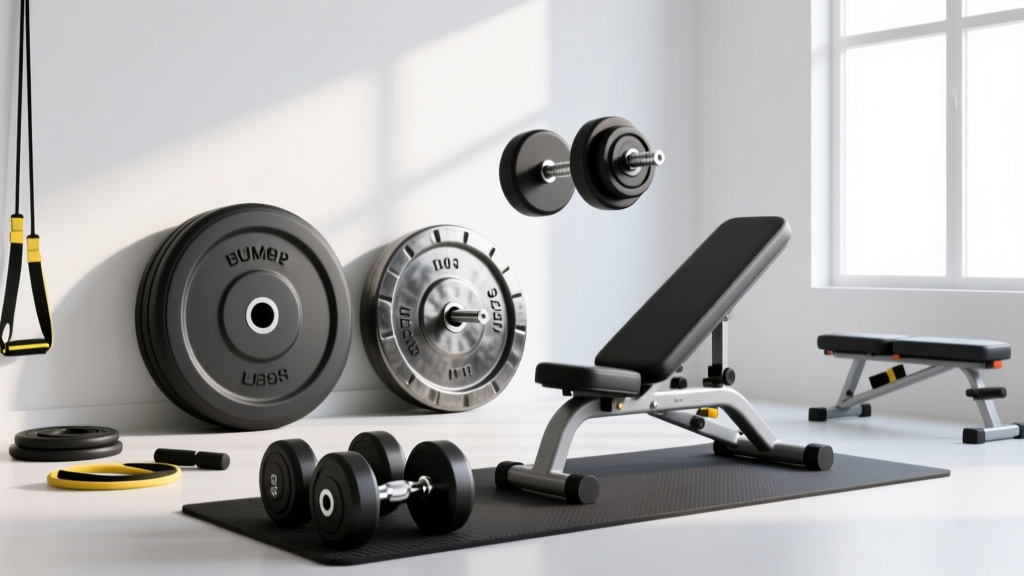
Dumbbell Workout Routine for Beginners: Barbell Knurl Mistakes
Transitioning from a dumbbell workout routine for beginners? Avoid these critical Olympic barbell buying mistakes regarding weight, PSI, and knurling.

The Grip Shock: Transitioning from Dumbbells to the Barbell
Most lifters build their foundational strength using a dumbbell workout routine for beginners. Dumbbells are fantastic for unilateral stability, joint health, and learning basic movement patterns. However, there comes a time when your legs and back outgrow the maximum weight of your adjustable or fixed dumbbells, forcing a transition to the Olympic barbell. This is where the troubleshooting begins.
When you move from the contoured, often thicker handles of commercial dumbbells to a precision-machined Olympic barbell, the sensory feedback is entirely different. Many beginners make critical purchasing errors during this transition, focusing solely on the price tag while ignoring shaft diameter, knurling geometry, and tensile strength. The result? Torn calluses, slipping grips during deadlifts, and bars that permanently bend under heavy squats. In this guide, we troubleshoot the most common Olympic barbell buying mistakes related to weight and knurling, ensuring your first rack setup is built for longevity.
Mistake #1: Misunderstanding Shaft Diameter and Grip Fatigue
Standard hex dumbbells typically feature handle diameters ranging from 32mm to 35mm, often with ergonomic contours. When you switch to an Olympic barbell, the shaft is significantly thinner, but the exact millimeter measurement dictates your grip endurance and wrist comfort.
| Shaft Diameter | Bar Type | Best For | Example Model |
|---|---|---|---|
| 28mm | Olympic Weightlifting | Snatch, Clean & Jerk, Hook Grip | Eleiko Sport Training Bar |
| 28.5mm | Multi-Purpose / Hybrid | CrossFit, General Strength, Squats | Rogue Ohio Bar ($295) |
| 29mm | Powerlifting | Heavy Deadlifts, Low-Rep Squats | Texas Power Bar ($345) |
Mistake #2: Ignoring Knurling Geometry (The Hand-Tear Trap)
Knurling is the crosshatch pattern machined into the steel shaft to increase friction. However, not all knurling is created equal. The geometry of the knurl dictates how the bar interacts with your skin, especially when chalk and sweat are introduced. According to comprehensive equipment testing by Garage Gym Labs, choosing the wrong knurl pattern is the number one reason beginners abandon barbell training due to hand pain.
The Three Knurl Profiles
- Hill (Passive): The peaks of the knurl are rounded off or flattened. Common on budget Amazon barbells (like the CAP Barbell OB-86B). Troubleshooting: Avoid these. They feel smooth but will slip dangerously during heavy deadlifts, forcing you to over-squeeze and waste energy.
- Mountain (Aggressive): Sharp, pointed peaks that dig deeply into the skin. Found on dedicated powerlifting bars like the Texas Power Bar. Troubleshooting: Excellent for 1-rep max deadlifts, but if you use this bar for high-rep cleans or rowing movements, it will tear your calluses to shreds.
- Volcano (Optimal Hybrid): The knurl is machined to create a rim with a hollowed-out center, resembling a volcano. This provides maximum surface area for grip without the sharp, skin-tearing peaks. The Rogue Ohio Bar utilizes this pattern, making it the gold standard for lifters transitioning from dumbbells to varied barbell work.
Mistake #3: The Center Knurl Dilemma
When browsing barbell specifications, you will notice a section of knurling in the exact center of the shaft. This is the center knurl, and buying the wrong configuration for your specific training style is a frequent and painful mistake.
'The center knurl is designed to bite into the back of your shirt or skin to prevent the bar from sliding during heavy back squats. However, if you are performing Olympic lifts like the clean, that same knurl will scrape the skin off your neck and collarbone.'
— BarBend Equipment Experts, How to Choose a Barbell
The Fix: If your training consists primarily of powerlifting (Squat, Bench, Deadlift), buy a bar with an aggressive center knurl (IPF standard). If your background is a dumbbell workout routine for beginners and you plan to incorporate full-body functional fitness, Olympic lifts, or bench pressing (where the center knurl can scratch your chest), opt for a bar with a passive center knurl or no center knurl at all.
Mistake #4: Confusing Bar Weight, Whip, and Tensile Strength (PSI)
A standard men's Olympic barbell weighs 20kg (44 lbs), while a women's Olympic bar weighs 15kg (33 lbs). However, the static weight is only half the equation. The tensile strength, measured in Pounds per Square Inch (PSI), determines how much weight the bar can hold before it permanently bends (taking a 'set').
PSI Troubleshooting Matrix
| PSI Rating | Quality Tier | Failure Mode / Edge Case |
|---|---|---|
| 130k - 150k PSI | Budget / Big Box Store | Will permanently bend if dropped with 225+ lbs. Chrome coating flakes off rapidly. |
| 165k - 180k PSI | Entry-Level Commercial | Safe for general use, but lacks 'whip'. Will bend over time if used for heavy, repetitive squats. |
| 190k - 195k PSI | Sweet Spot / Premium | Optimal yield strength. Bends under extreme load but snaps back perfectly. (e.g., Rogue Ohio Bar). |
| 205k+ PSI | Elite Powerlifting | Extremely stiff. Zero whip. Uncomfortable for Olympic lifts or high-rep front squats. |
When transitioning from dumbbells, you are used to rigid, stable implements. If you buy a 165k PSI barbell and attempt heavy squats, the bar will exhibit excessive 'whip' (elastic deformation), bouncing off your back and throwing off your center of gravity. Always verify the PSI rating on the manufacturer's spec sheet. If it is not listed, assume it is below 160k PSI and avoid the purchase.
Troubleshooting Your First Barbell Purchase: A Step-by-Step Framework
To ensure you do not waste $200+ on a barbell that hinders your progress, run your prospective purchase through this troubleshooting checklist:
- Verify the Shaft Diameter: Is it 28.5mm? (Ideal for 90% of lifters transitioning from dumbbells).
- Check the Knurl Type: Does the manufacturer explicitly state 'volcano' or 'medium' knurl? Avoid undefined 'standard' knurls, which are usually passive hills.
- Confirm Tensile Strength: Is the PSI rated at 190,000 or higher? This guarantees the bar will survive heavy deadlift drops without bending.
- Inspect the Bushings vs. Bearings: For general strength and powerlifting, bronze bushings are preferred for durability and reduced sleeve spin. If you are doing explosive Olympic lifts, needle bearings are required to allow the sleeves to spin freely, reducing wrist torque.
- Evaluate the Finish: Bare steel requires constant maintenance to prevent rust. Zinc or hard chrome offers good protection, but Cerakote (a ceramic-polymer finish) is the current 2026 industry standard for ultimate corrosion resistance and color customization.
Frequently Asked Questions
Can I use my beginner dumbbells alongside my new barbell?
Absolutely. In fact, maintaining a hybrid approach is highly recommended. While the barbell allows for absolute maximum load progression on compound movements like squats and deadlifts, continuing a modified dumbbell workout routine for beginners and intermediate lifters is vital for addressing muscular imbalances, unilateral core stability, and accessory hypertrophy work (like dumbbell lateral raises or Bulgarian split squats).
Why does my new barbell feel 'slippery' compared to my rubber dumbbells?
Rubber and neoprene dumbbell handles provide high inherent friction, even without chalk. A new barbell with medium volcano knurling relies on the microscopic ridges of the steel biting into your skin. If the bar feels slippery, you likely need to use magnesium carbonate lifting chalk to fill the gaps in the knurling and absorb sweat, creating a secure lock.
How much should I expect to spend on a reliable Olympic barbell?
In the current fitness equipment market, a high-quality, multi-purpose Olympic barbell with 190k PSI tensile strength and proper volcano knurling will cost between $250 and $320. Beware of $99 barbells found on general e-commerce sites; they almost universally fail the tensile strength test and feature poorly machined hill knurling that will compromise your safety under heavy loads.
More gear to consider
All reviews
Rack Longevity: Storing the Biggest Dumbbell in the World
Dumbbell Only Upper Body Workout Upgrade: Kettlebell Budget Analysis
Best Adjustable Dumbbells for Muscle Gain: 2026 Head-to-Head
Best Adjustable Dumbbells for the Dumbbell Press Exercise (2026)
Olympic vs Standard Plates Setup & Dumbbell Exercises for Glutes