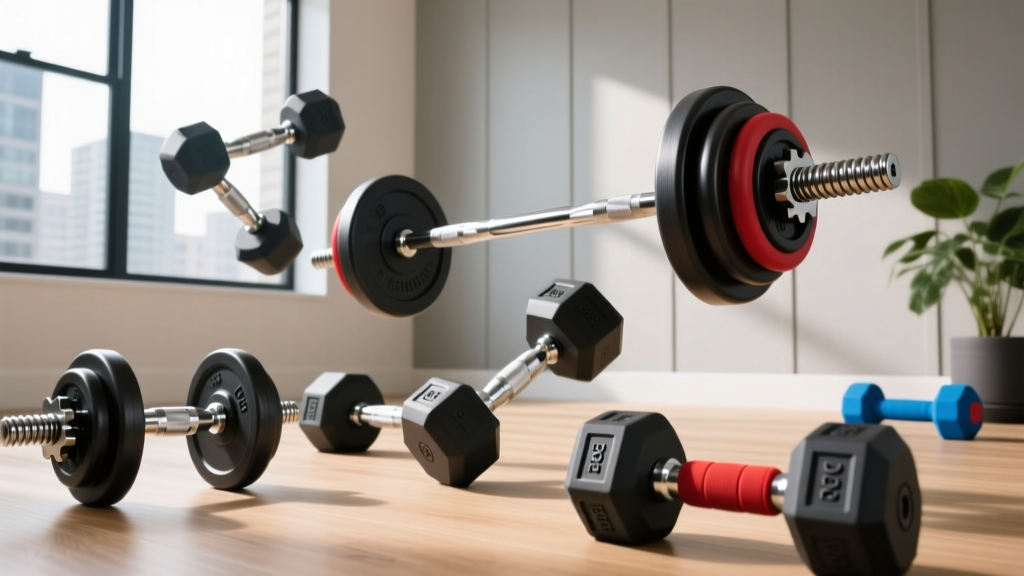
Best Dumbbell Glute Exercises & Barbell Collar Types Compared
Discover the best dumbbell glute exercises and when to upgrade to barbells. Compare barbell collar types, clamping forces, and safety for heavy lifts.

From Dumbbells to Barbells: The Progression of Glute Training
When building a comprehensive lower-body program, mastering the best dumbbell glute exercises is the foundational first step. Movements like heavy dumbbell Romanian deadlifts (RDLs), goblet squats, and single-leg hip thrusts allow lifters to build significant muscle mass and neuromuscular control. However, as your strength progresses, you will inevitably hit a loading ceiling. A 120-pound dumbbell becomes unwieldy for bilateral hip thrusts, forcing a transition to the barbell.
This transition introduces a critical, often overlooked safety variable: barbell collars and clamps. According to biomechanical research published in the National Institutes of Health (NIH), the barbell hip thrust generates massive horizontal force and requires the bar to pivot directly across the pelvis. If weight plates shift laterally during this pivot, the asymmetrical load can cause catastrophic torque on the lumbar spine and hip joints. Selecting the right collar is not just about gym etiquette; it is about spinal safety.
Comprehensive Comparison Matrix: Barbell Collar Types
Not all collars provide equal clamping force. Below is a data-driven comparison of the four primary collar types available on the 2026 market, evaluated for standard 50mm (2-inch) Olympic sleeves.
| Collar Type | Clamping Force | Material | Avg. Price (Pair) | Best Use Case |
|---|---|---|---|---|
| Lock-Jaw / Snap | High (Up to 350 lbs) | Glass-filled Nylon | $28 - $40 | Heavy squats, deadlifts, hip thrusts |
| Lever / Cam Clamp | Very High | Aluminum / Steel | $45 - $65 | Olympic lifts, dynamic movements |
| Spring Clip | Low to Moderate | Spring Steel | $12 - $20 | Quick changes, bench press, IPF meets |
| Spinlock | Moderate | Cast Iron / Plastic | $15 - $25 | 1-inch standard home gym bars |
Deep Dive: Lock-Jaw and Snap Collars
Lock-jaw collars, such as the widely used Lock-Jaw LITE and the premium Proloc 1.0, utilize a heavy-duty nylon resin with a locking tab mechanism. The Proloc 1.0 is engineered to deliver up to 350 lbs of clamping pressure against the steel sleeve, effectively fusing the plates to the barbell.
Pros and Cons of Nylon Snap Collars
- Pro: Exceptional grip on smooth or slightly worn chrome sleeves.
- Pro: Low profile design prevents interference when dropping the bar on the floor during heavy RDLs.
- Con: Nylon fatigue. In cold garage gyms (below 50°F), the plastic hinge can become brittle and snap after 3 to 4 years of daily use.
- Con: Requires two hands and significant thumb pressure to release the locking tab.
Deep Dive: Lever and Cam Clamps
Lever clamps represent the pinnacle of barbell security. The Rogue AB-2 Clamp (priced around $48 per pair) features an aircraft-grade aluminum body and a stainless steel cam. When the lever is flipped shut, the steel cam bites into the barbell sleeve, creating immense friction.
Failure Mode Edge Case: Lever clamps rely entirely on surface friction. If your barbell sleeves are heavily caked in lifting chalk, or if the factory machining marks on the chrome have been worn completely smooth from years of plate loading, the cam can slip. During high-vibration movements like barbell shrugs or aggressive hip thrusts, a chalk-covered sleeve can cause a lever clamp to pop open, resulting in a dangerous plate slide.
Deep Dive: Spring Clips and Spinlocks
Spring clips are the standard for commercial gyms due to their speed. However, their clamping force is relatively low. They are sufficient for bench presses where the bar remains level, but they are highly discouraged for heavy glute work. When performing barbell hip thrusts, the bar tilts and rolls on the bench; this rolling motion can easily compress a spring clip, allowing plates to shift outward.
Spinlock collars, which thread onto 1-inch standard bars, are virtually obsolete for serious 2026 training. They take too long to secure and the plastic threads strip easily under heavy loads.
IPF Competition Standards and Collar Regulations
For athletes transitioning from commercial gym lifting to competitive powerlifting, understanding governing body regulations is essential. According to the International Powerlifting Federation (IPF) technical rulebook, collars are mandatory during all lifts in competition. However, not just any collar is permitted. The IPF mandates the use of specific spring collars that weigh exactly 2.5 kg (5.5 lbs) each, or approved lever clamps that do not exceed the sleeve length limits. Standard lock-jaw collars are generally prohibited on the competition platform due to the time required to secure them and the potential for plastic failure under extreme, uneven loads during heavy deadlifts. If your training mimics competition standards, investing in calibrated lever clamps or competition-grade spring collars is non-negotiable.
Application Framework: Securing Weights for Glute Workouts
When executing the best dumbbell glute exercises, you do not need collars. But once you load a barbell for hip thrusts or heavy RDLs, follow this precise loading sequence to ensure maximum safety:
- Load Plates Flush: Push your bumper or steel plates completely flush against the inner sleeve flange.
- Position the Collar: Slide the collar onto the sleeve, pushing it firmly against the outermost plate.
- Leave a 1/4-Inch Gap: Do not push the collar to the absolute edge of the sleeve. Leave a 1/4-inch gap between the collar and the end of the sleeve. This allows the clamping mechanism (especially on lever and lock-jaw models) to fully encircle the steel and bite down without bottoming out on the sleeve's lip.
- Test the Grip: Before lifting, attempt to slide the collar inward with your hands. If it moves without releasing the lever or tab, it is not secure.
⚠️ Critical Safety Warning: The Asymmetrical Load Hazard
Never attempt to 'save' a rep if you hear or feel a collar slip and plates shift to one side during a hip thrust or squat. The sudden shift in the moment arm will instantly overload one side of your lumbar spine and sacroiliac (SI) joint. Dump the weight safely to the floor or pins immediately. Re-rack, re-secure the collars, and reduce the weight before attempting the set again.
Expert Troubleshooting and Maintenance
To maintain the integrity of your collars and barbell sleeves throughout 2026 and beyond, implement the following maintenance protocols:
- Chalk Removal: Use a stiff nylon brush and isopropyl alcohol to clean barbell sleeves weekly. Chalk acts as a dry lubricant between the steel sleeve and the collar's clamping surface, reducing friction by up to 40%.
- UV and Temperature Storage: If using nylon lock-jaw collars, do not leave them in direct sunlight or freezing temperatures. UV degradation and thermal cycling will cause micro-fractures in the plastic resin over time.
- Cam Lubrication: For lever clamps like the Rogue AB-2, apply a single drop of 3-in-One oil to the hinge pin every six months to prevent the lever action from becoming stiff or seizing up.
Final Verdict
Mastering the best dumbbell glute exercises is an excellent way to build a foundation, but barbell training is where elite strength is forged. For heavy, dynamic glute movements like hip thrusts and RDLs, we recommend investing in high-clamping lever clamps or premium glass-filled nylon snap collars. Avoid cheap spring clips for these specific lifts. By matching the right collar type to your training environment and maintaining your equipment properly, you ensure that your focus remains on muscle contraction, not equipment failure.
More gear to consider
All reviews
Cast Iron vs Competition Kettlebells & Dumbbell Exercises for Back of Arms
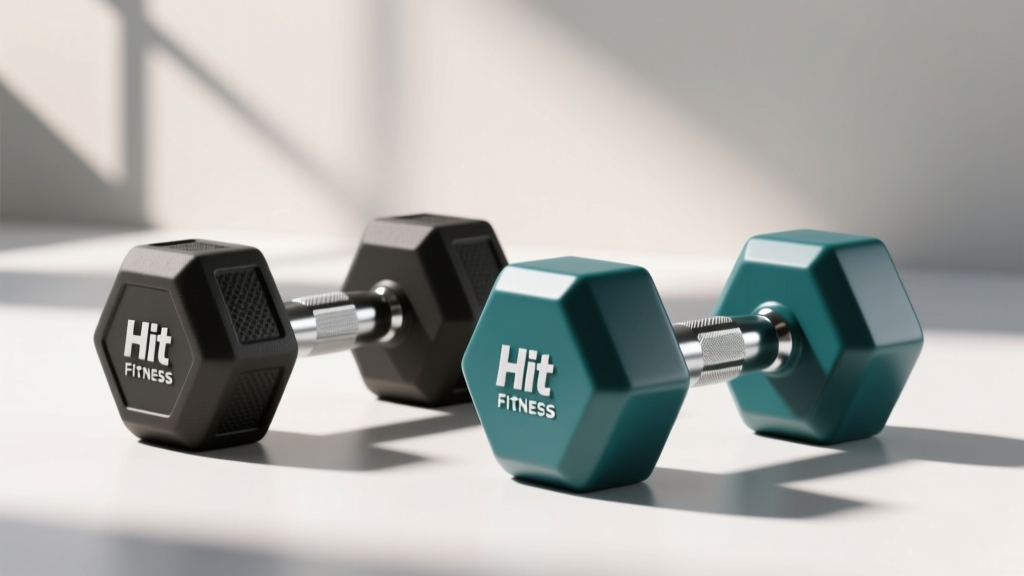
Hit Fitness Hex Dumbbells: Rubber vs Urethane Hands-On Review
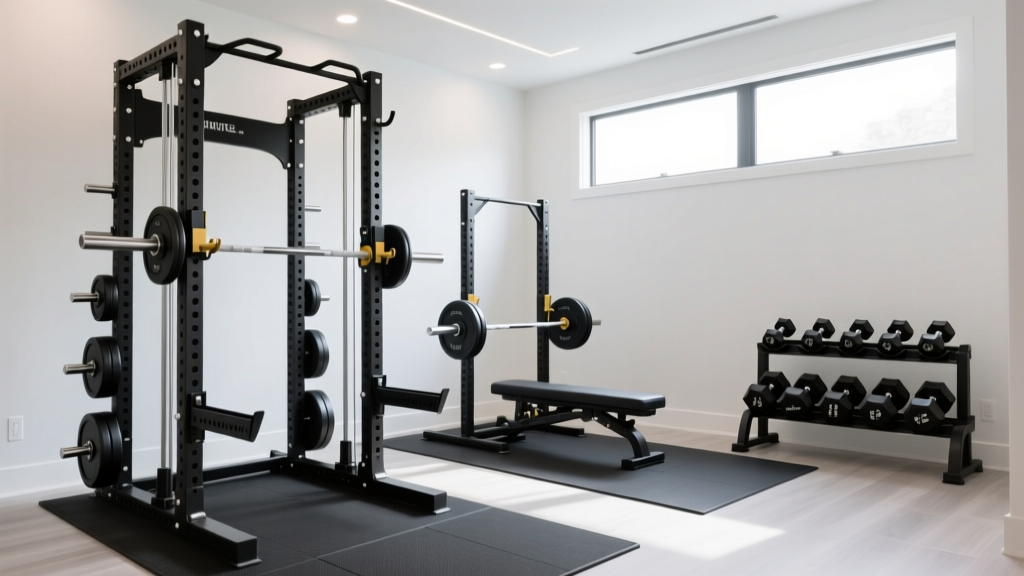
Squat Rack vs Power Rack: Space for Lateral Lunge with Dumbbells

Rubber Hex vs Urethane: Are 85 Pound Dumbbells Worth the Upgrade?
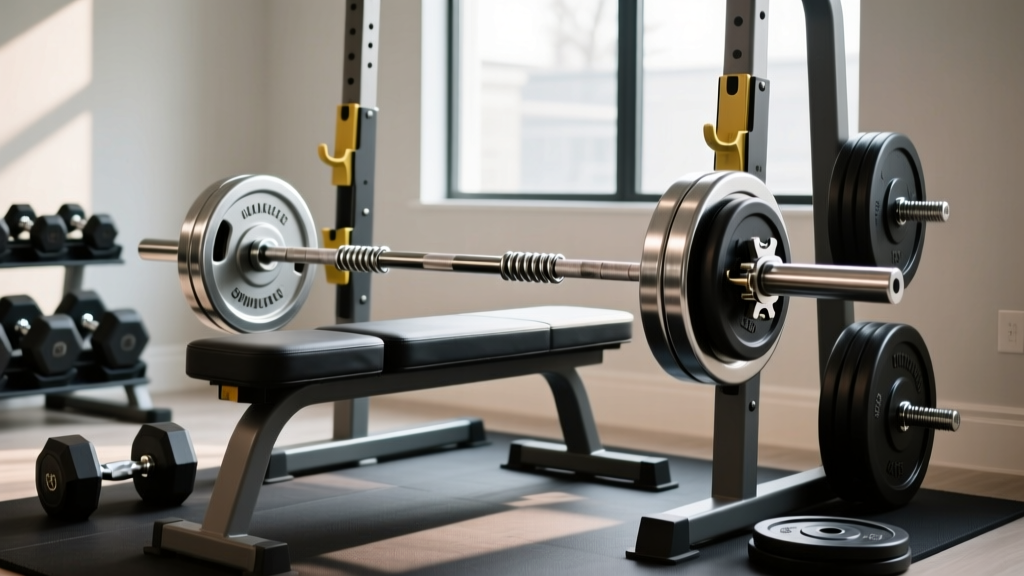
Barbell Collars For Your Workout With Bench And Dumbbells Setup
