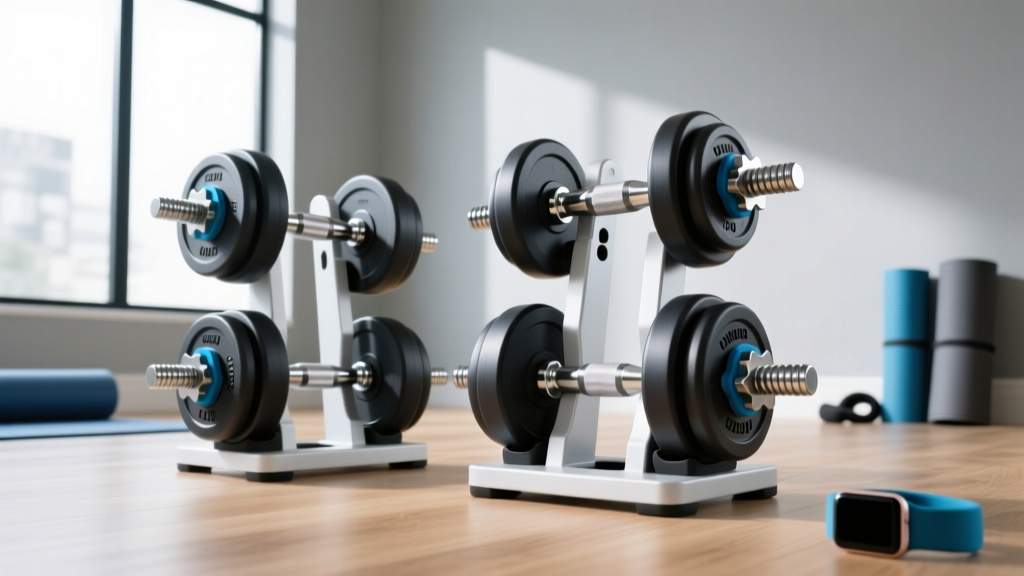
How Dumbbell Circles Impact Rubber Hex vs Urethane Longevity
Discover how high-rep dumbbell circles affect rubber hex and urethane dumbbell coatings. Learn maintenance tips to maximize your free weights' lifespan.

The Biomechanics of Equipment Wear During Dumbbell Circles
When programming shoulder mobility, core stabilization, or muscular endurance, fitness professionals frequently prescribe dumbbell circles (also known as halos or lateral arm circles). While highly effective for the rotator cuff and deltoids, this dynamic movement subjects your free weights to a unique and punishing stress profile. Unlike controlled linear presses, dumbbell circles generate continuous centrifugal force, rotational torque, and frequent micro-collisions when the weights clink together at the apex of the movement.
For gym owners and home athletes investing in coated free weights, understanding how these rotational forces impact equipment longevity is critical. The two dominant market contenders—rubber hex dumbbells and premium urethane dumbbells—respond to this abuse in drastically different ways. In this comprehensive guide, we break down the material science, failure modes, and exact maintenance protocols required to keep your dumbbells pristine, even under the high-torque demands of continuous dumbbell circles.
Rubber Hex Dumbbells: Vulnerabilities and Degradation Patterns
Rubber hex dumbbells, typically priced between $1.50 and $2.50 per pound in 2026, are the undisputed budget champions of home and commercial gyms. Brands like CAP Barbell and Yes4All dominate this space. However, the "rubber" used is often a compressed recycled rubber compound bound with chemical adhesives. While adequate for static lifts, the rotational shear of dumbbell circles exposes three major vulnerabilities:
- The Collar Tear: The junction where the rubber head meets the steel handle is the primary failure point. The outward pull of arm circles stresses this adhesive bond. Over time, sweat seeps into micro-fissures, rusting the inner steel core and causing the rubber head to loosen or spin independently of the handle.
- Edge Chunking and Abrasion: When grip fatigue sets in during high-rep circles, users often let the dumbbells swing and collide. Virgin rubber can absorb this, but recycled rubber hex edges tend to "chunk" or tear upon impact, leaving sharp, jagged edges.
- UV and Chemical Degradation: Rubber is highly porous and susceptible to dry rot when exposed to UV light or harsh gym disinfectants. The surface becomes brittle, leading to a flaky, black residue that transfers to your hands and flooring.
Urethane Dumbbells: The Premium Longevity Standard
If your training regimen heavily features dynamic movements like dumbbell circles, upgrading to urethane is not a luxury; it is a structural necessity. Urethane (specifically cast polyurethane) is a high-performance polymer that boasts vastly superior tear strength and abrasion resistance. Leading manufacturers like Rep Fitness and Rogue Fitness utilize high-density urethane formulations that typically range from $3.50 to $5.50 per pound.
During the execution of dumbbell circles, urethane offers distinct advantages:
- High Shore Hardness: Gym-grade urethane is usually cast at a Shore hardness of 85A to 90A. This makes it firm enough to resist the gouging and scraping that occurs when dumbbells collide mid-circle, yet forgiving enough to protect your floors if dropped.
- Overmolded Handle Security: Premium urethane dumbbells often feature handles that are mechanically locked and then overmolded directly with the polyurethane. This creates a virtually indestructible bond that easily withstands the centrifugal pull of rotational exercises.
- Environmental Invulnerability: Unlike rubber, urethane is entirely UV stable, odorless, and non-porous. It will not outgas, degrade in sunlight, or absorb sweat, making it the definitive choice for outdoor training spaces or high-humidity garage gyms.
Head-to-Head Durability Matrix
To visualize how these materials handle the specific rigors of rotational and high-impact training, refer to the comparison matrix below:
| Feature | Rubber Hex Dumbbells | Urethane Dumbbells |
|---|---|---|
| Abrasion Resistance | Low (Prone to scraping and edge chunking) | Exceptional (Resists scuffing and tearing) |
| Rotational Shear Tolerance | Moderate (Adhesive bond weakens over time) | High (Often mechanically locked/overmolded) |
| UV & Sweat Stability | Poor (Degrades, smells, flakes) | Excellent (Non-porous, UV stable) |
| Average Cost (2026) | $1.50 - $2.50 / lb | $3.50 - $5.50 / lb |
| Best Use Case | Linear, controlled lifting on a budget | Dynamic movements, drop sets, commercial use |
The 2026 Maintenance Protocol for Coated Free Weights
According to facility maintenance guidelines emphasized by organizations like the National Strength and Conditioning Association (NSCA), proactive equipment care drastically reduces replacement costs. Whether you are committed to rubber hex or have invested in urethane, implementing a strict maintenance protocol is non-negotiable for longevity.
1. The Post-Workout Wipe Down (Daily)
Sweat is highly acidic and corrosive. When performing dumbbell circles, your grip shifts, depositing sweat and dead skin cells directly onto the handle knurling and the coating collar. Use a microfiber cloth dampened with a pH-neutral, non-alcoholic disinfectant. Wipe the handle thoroughly, ensuring no moisture pools at the rubber-to-steel junction.
2. The Monthly Junction Inspection
Once a month, perform a physical stress test on the collar. Grip the steel handle firmly and attempt to twist the dumbbell head. If you detect any micro-movement, clicking, or spinning, the internal adhesive or mechanical lock has failed. Do not continue using the dumbbell for dynamic movements. A detached head during a lateral arm circle can result in severe injury or property damage.
3. Quarterly Deep Conditioning (Rubber Hex Only)
If you are using rubber hex dumbbells, they require hydration to prevent dry rot. Every three months, apply a thin layer of water-based rubber protectant (similar to automotive tire shine, but strictly water-based to avoid slicking the handles). Buff it in with a dry cloth. Urethane dumbbells do not require conditioning; a simple wipe with warm soapy water is sufficient to restore their factory matte finish.
"The true test of a coated dumbbell isn't how it handles a controlled bicep curl; it's how it survives the chaotic, high-velocity impacts of functional movements like halos and dumbbell circles. Urethane's molecular cross-linking simply laughs off the abrasion that shreds standard recycled rubber."
— Equipment Specialist, Commercial Gym Outfitters
Troubleshooting Edge Cases: When to Retire Your Dumbbells
Even with meticulous care, all equipment reaches the end of its lifecycle. Recognizing the terminal failure modes of your dumbbells ensures safety during high-torque exercises.
- Exposed Steel Cores: If a rubber hex dumbbell suffers a severe chunking incident that exposes the inner cast iron or steel core, it must be retired from dumbbell circles immediately. The exposed metal will rapidly oxidize, and the jagged rubber edges will tear calluses and damage flooring.
- Handle Knurling Wear: While not a coating issue, the centrifugal force of dumbbell circles accelerates the accumulation of chalk and skin oils in the knurling. If the knurling becomes slick despite deep cleaning with a nylon brush and degreaser, the dumbbell is unsafe for rotational overhead work.
- Urethane Delamination: Though exceedingly rare, if a urethane dumbbell is repeatedly dropped from overhead onto bare concrete (without matting), the shockwave can cause the polymer to delaminate from the steel core. If you hear a hollow "clack" instead of a solid "thud" when the weights touch, the internal bond is compromised.
Final Verdict: Matching Equipment to Your Training Style
If your programming rarely deviates from standard linear pressing, rowing, and curling, rubber hex dumbbells remain a highly cost-effective solution, provided you adhere to strict, non-chemical cleaning protocols. However, if your training philosophy embraces functional fitness, high-rep shoulder endurance, and dynamic movements like dumbbell circles, the upfront premium for urethane is mathematically justified. As highlighted in comprehensive material breakdowns by authorities like BarBend, urethane's resistance to rotational shear, UV degradation, and impact abrasion ensures it will outlast rubber hex alternatives by a factor of three to one in rigorous environments. Invest in the polymer that respects the physics of your training, and maintain the junction points vigilantly to guarantee a lifetime of safe, effective lifts.
More gear to consider
All reviews
Dumbbell Rear Delt Rows: Adjustable Dumbbell Review & Fixes
Beyond the Dumbbell Thruster Workout: Olympic Barbell Knurling Guide

Tripod Dumbbell Row Setup: Olympic vs Standard Plates
Bumper Plate vs Iron Plate: Setup for Bent-Over Dumbbell Rows

Bumper vs Iron Plates: Beyond Dick's Sporting Good Dumbbells