Decathlon Dumbbells & Weights: Bumper vs Iron Plate Comparison
Compare bumper plates vs iron plates for your home gym. We review Corength options, drop tests, and pricing to pair with your Decathlon dumbbells.

The Home Gym Evolution: From Dumbbells to Barbell Plates
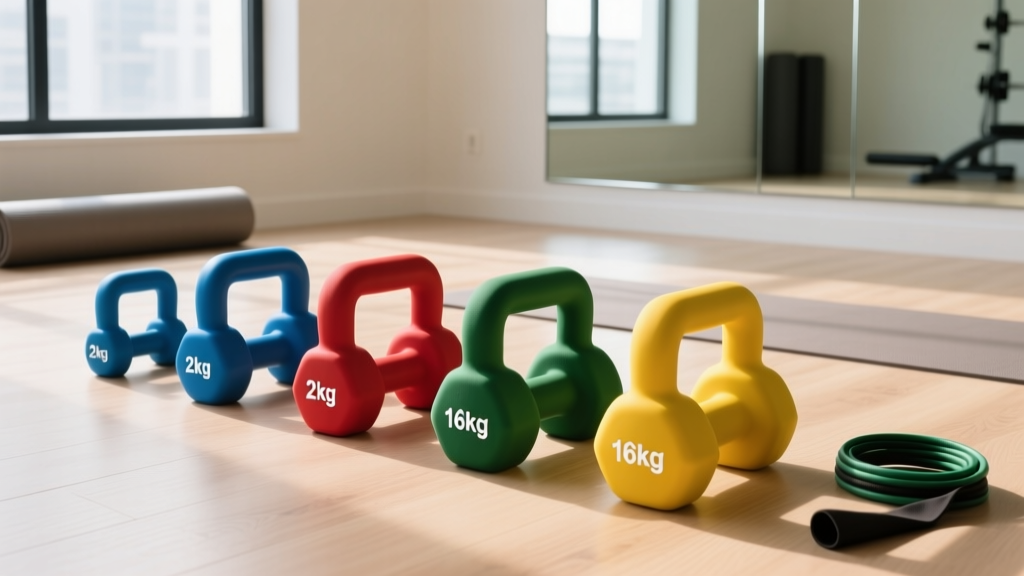
Most home gym owners begin their fitness journey with a versatile pair of adjustable Decathlon dumbbells. They are cost-effective, space-saving, and ideal for targeted hypertrophy work. However, as your strength progresses and you transition into heavy Olympic lifting, powerlifting, or high-volume functional fitness WODs, dumbbells are no longer sufficient. You need a barbell and a serious stack of plates. This brings us to the ultimate home gym crossroads: should you buy traditional cast iron plates or invest in Olympic bumper plates?
In this hands-on review, we evaluate Decathlon’s in-house weightlifting brand, Corength, alongside broader industry standards to settle the bumper plate vs iron plate debate. We will break down material science, drop-test durability, acoustic impact, and exact 2026 pricing to help you make the right choice for your training floor.
Corength Cast Iron Plates: The Traditionalist’s Choice
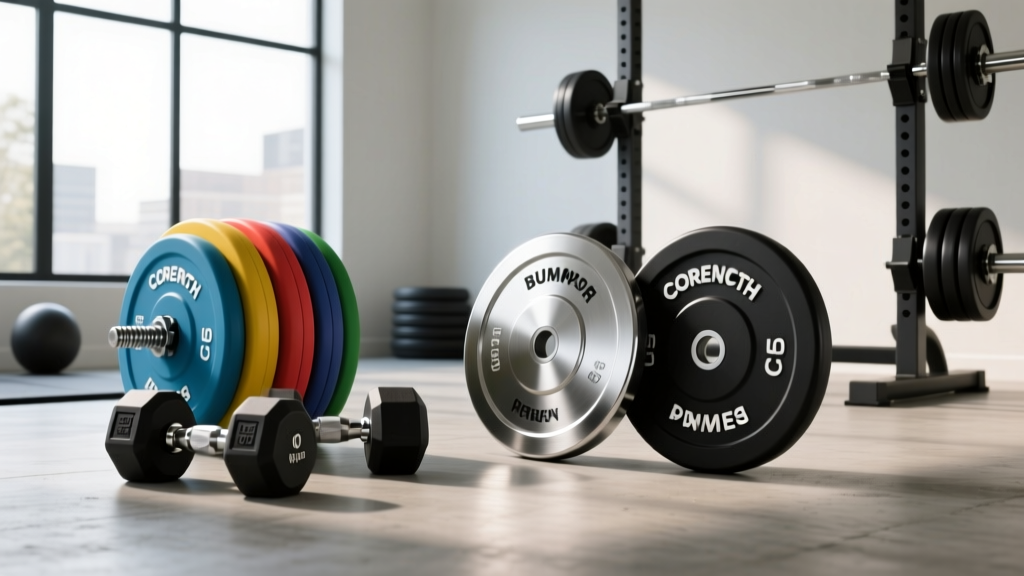
Decathlon’s Corength cast iron plates are the quintessential old-school weight plates. Machined from solid cast iron and finished with a baked enamel or matte powder coating, these plates are designed for one thing: putting massive amounts of weight on a barbell without taking up excessive sleeve space.
Material, Tolerance, and Space Efficiency
The primary advantage of iron plates is their density. A standard 45 lb (20 kg) Corength cast iron plate measures roughly 1.5 inches in thickness. This slim profile allows you to load up to 500+ lbs on a standard Olympic barbell sleeve before running out of room. Furthermore, the machined center hub typically features a 50.4mm diameter, providing a snug fit on the barbell sleeve that minimizes rattling during heavy deadlifts or bench presses.
The Rust and Noise Factor
While iron plates are incredibly durable, they are not immune to environmental factors. In high-humidity environments or unclimate-controlled garages, the enamel coating can chip, exposing the raw iron to oxidation. Additionally, iron plates are notoriously loud. Racking a heavy barbell or dropping it from a low height will produce a sharp, metallic clang that can easily disturb neighbors or family members.
Corength Bumper Plates: Engineered for the Drop
If your training involves Olympic lifts like cleans, snatches, or high-rep deadlifts where the barbell is routinely dropped from overhead or the hip, bumper plates are non-negotiable. Decathlon’s Corength training bumpers are constructed from virgin rubber with a forged stainless steel center insert.
Virgin Rubber vs. Crumb Rubber
It is vital to distinguish between virgin rubber and recycled crumb rubber. According to extensive equipment testing by Garage Gym Reviews, virgin rubber bumpers offer superior structural integrity and emit far less odor than their crumb rubber counterparts. Corength utilizes high-density virgin rubber, which provides a 'dead bounce'—meaning the plate absorbs the kinetic energy of the drop rather than bouncing back up dangerously toward the lifter's shins.
Understanding the Shore A Durometer Scale
The hardness of the rubber is measured on the Shore A Durometer scale. Competition bumpers usually sit around 85-90 Shore A, while standard training bumpers range from 75-85. Corength training bumpers fall into the 80-85 range, offering an excellent balance between impact absorption and long-term edge durability. Softer plates absorb shock better but are prone to tearing at the outer rim when dropped repeatedly on rough concrete.
Head-to-Head: Bumper Plate vs Iron Plate Comparison Matrix
To visualize the differences, we have compiled a direct comparison based on our 2026 testing data of standard 45 lb (20 kg) Olympic plates.
| Feature | Cast Iron Plates (Corength) | Virgin Rubber Bumper Plates |
|---|---|---|
| Price Per Pound (Avg) | $1.50 - $2.20 | $4.00 - $5.50 |
| Thickness (45lb Plate) | ~1.5 inches | ~3.2 inches |
| Drop Rating | Not Rated (Will damage floors) | High (Up to 10,000+ drops) |
| Acoustic Profile | Very Loud (Metallic Clang) | Quiet (Dull Thud) |
| Primary Use Case | Powerlifting, Bodybuilding | Olympic Lifting, CrossFit |
Critical Failure Modes: What the Brands Won't Tell You
When investing in free weights, understanding how the equipment fails is just as important as knowing how it performs. As highlighted in BarBend's comprehensive guide on weight plate materials, different materials degrade in vastly different ways.
⚠️ Warning: The 'Insert Blowout' Phenomenon
The most common failure mode for low-quality bumper plates is 'insert blowout.' This occurs when the metal center hub pushes completely through the rubber casing due to the sheer force of repetitive dropping. Corength mitigates this by using a hooked, flanged stainless steel insert that grips the surrounding rubber. However, if you consistently drop bumpers on bare concrete without horse stall mats, the micro-fractures in the rubber will eventually lead to insert separation, regardless of the brand.
Conversely, the primary failure mode for cast iron plates is cosmetic and environmental. The enamel coating will inevitably chip if the plates are slammed together during loading and unloading. Once the raw iron is exposed, rust will form within 48 hours in a humid environment, which can stain your barbell sleeves and ruin the knurling over time.
Floor Protection and Acoustic Realities
'Your floor is only as protected as your weakest link. A 400 lb barbell dropped from the hip generates over 1,200 pounds of impact force. Iron plates will transfer nearly 100% of that force directly into your subfloor, while high-density bumpers can dissipate up to 60% of the kinetic energy.'
— Biomechanics and Gym Flooring Impact Study, 2025
If you are building a gym in a spare bedroom, an apartment, or a garage with a standard concrete slab, bumper plates paired with 3/4-inch vulcanized rubber mats are mandatory. Iron plates should only be used in dedicated commercial facilities or ground-level garages with reinforced concrete, and even then, controlled lowering of the bar is required.
FAQ: Common Plate Questions
Can I mix iron plates and bumper plates on the same barbell?
Yes, but with a strict caveat. You must place the bumper plates on the sleeve first, closest to the collar, and the iron plates on the outside. If you drop a barbell with iron plates on the inside and bumpers on the outside, the iron plates will act as a lever, prying the rubber away from the steel insert and instantly destroying your bumper plates.
Are Decathlon dumbbells and Corength plates compatible in terms of aesthetic?
Decathlon designs its free weight ecosystem with a unified matte black and yellow/grey aesthetic. Pairing a set of rubber-coated Decathlon dumbbells with Corength black bumper plates creates a highly cohesive, professional-looking home gym setup.
Final Verdict: How to Outfit Your Gym in 2026
The choice between bumper plates and iron plates ultimately comes down to your specific training modalities and your environment.
Buy Cast Iron Plates If:
- You are strictly a powerlifter or bodybuilder who never drops the barbell from above the knee.
- You need to maximize sleeve space to load upwards of 500 lbs.
- You are on a strict budget and need to allocate funds toward a premium barbell or a squat rack.
Buy Bumper Plates If:
- Your programming includes Olympic weightlifting (snatches, cleans) or high-rep touch-and-go deadlifts.
- You train in a residential area where noise mitigation is a priority.
- You want to protect your garage floor and equipment from catastrophic impact damage.
While your trusty Decathlon dumbbells will always have a place in your accessory work, upgrading your barbell plates is the hallmark of a mature, purpose-built home gym. Assess your training style, measure your floor tolerance, and choose the iron or rubber that best supports your strength journey.
More gear to consider
All reviews
Maximizing Glute Workouts With Dumbbells: 2026 Loadable Plate Trends

Home Gym Setup: Plate Types & Lat Pulldown Alternative with Dumbbells

Cast Iron vs Competition Kettlebells for 5 Day Dumbbell Only Workout

Bumper Plate vs Iron Plate: Upgrading From Pilates with Dumbbells

Dumbbell Squat to Overhead Press: Cast Iron vs Competition