How to Curl Dumbbells Correctly: Rubber Hex vs Urethane Budget Guide
Discover how to curl dumbbells correctly while comparing rubber hex vs urethane dumbbells. Expert budget breakdown, pricing per lb, and form tips.

The Biomechanics of the Curl: Why Dumbbell Design Matters
When fitness enthusiasts search for guides on how to curl dumbbells correctly, the conversation almost exclusively revolves around elbow placement, supination, and tempo. However, as a senior equipment analyst at FitGearPulse, I can tell you that your form is only as good as the tool in your hand. The physical properties of your dumbbells—specifically the handle diameter, weight distribution, and head geometry—directly dictate your biomechanical efficiency and joint health.
This brings us to one of the most common debates in home and commercial gym outfitting: rubber hex dumbbells versus urethane dumbbells. While both serve the fundamental purpose of providing resistance, their material composition vastly alters the lifting experience, the longevity of the gear, and ultimately, your wallet. In this 2026 value analysis, we will break down the true cost of ownership for both options and provide a masterclass on how to adapt your curling technique to the specific gear you choose.
Rubber Hex Dumbbells: The Budget Lifter’s Workhorse
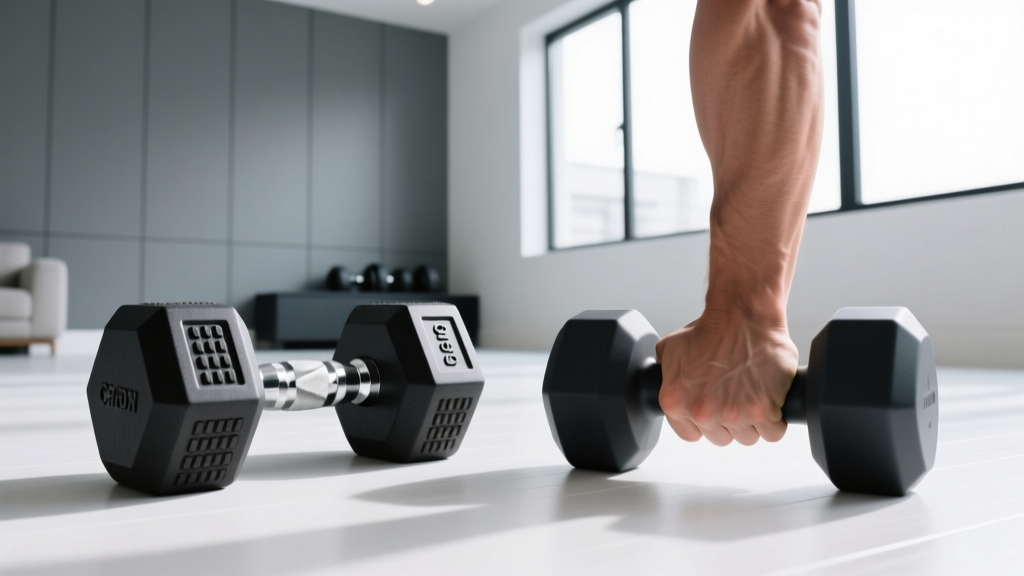
Rubber hex dumbbells have been the default entry-level choice for home gyms for over a decade. They feature a cast-iron core encased in a thick layer of recycled or synthetic rubber, with a hexagonal head designed to prevent rolling.
The Value Proposition
As of early 2026, rubber hex dumbbells typically retail between $1.50 and $2.20 per pound. For a lifter on a strict budget, acquiring a 5-to-50-pound set (in 5-pound increments) will cost roughly $800 to $950. They are widely available, frequently discounted, and perfectly adequate for general hypertrophy work where extreme precision isn't required.
Failure Modes and Drawbacks
- VOC Off-Gassing: Cheaper rubber compounds release volatile organic compounds (VOCs) that can make a poorly ventilated home gym smell like burning tires for months.
- Handle Ergonomics: Budget hex bells often feature handles that are either too thick (32mm+) or poorly knurled. This forces you to grip harder, prematurely fatiguing your forearms before your biceps reach failure.
- Material Degradation: Rubber dries out, cracks, and chips over time, especially if exposed to UV light or dropped repeatedly on hard surfaces without mats.
Urethane Dumbbells: The Premium Standard for Serious Lifters
Urethane (polyurethane) is a high-density, custom-engineered polymer that has become the gold standard for commercial facilities and premium home gyms. Unlike rubber, urethane is odorless, highly resistant to UV degradation, and boasts a much higher tensile strength.
The Value Proposition
Urethane dumbbells command a premium, currently averaging $3.80 to $5.50 per pound in 2026. That same 5-to-50-pound set will cost between $1,750 and $2,500. However, the value lies in the precision. Urethane bells feature machined steel cores, perfectly balanced weight tolerances (usually within 1% of stated weight), and ergonomic handles (typically 25mm to 28mm) with high-quality chrome or cerakote finishes.
Failure Modes and Drawbacks
From a material standpoint, urethane is virtually indestructible in a standard gym environment. The only real "failure mode" is cosmetic: the steel handles may eventually show signs of wear or corrosion if not wiped down, and the urethane itself can scuff if dragged across abrasive concrete. The primary drawback is strictly the high barrier to entry regarding upfront cost.
Head-to-Head Value Matrix
| Feature | Rubber Hex Dumbbells | Urethane Dumbbells |
|---|---|---|
| 2026 Avg. Price/Lb | $1.50 - $2.20 | $3.80 - $5.50 |
| Handle Diameter | 30mm - 35mm (Often thick/clunky) | 25mm - 28mm (Ergonomic) |
| Weight Tolerance | +/- 3% to 5% | +/- 1% |
| Odor / Off-Gassing | High (initially) | None |
| Lifespan (Heavy Use) | 3 - 5 Years (Rubber cracking) | 15+ Years (Generational) |
Step-by-Step: How to Curl Dumbbells Correctly (Adapted to Your Gear)
According to the ExRx biomechanics database, the bicep curl requires elbow flexion combined with forearm supination to fully engage both the biceps brachii and the brachialis. However, the shape of your dumbbell changes how you should execute this movement to avoid injury.
1. The Stance and Core Brace
Stand with feet shoulder-width apart. Brace your core as if preparing for a light punch to the stomach. This prevents the lumbar spine from hyperextending (swinging) as you lift the weight.
2. The Grip (Hex vs. Urethane Adjustment)
With Urethane (Round): Grip the 25-28mm handle firmly but without white-knuckling. The balanced, round head allows your wrist to sit in a neutral, stacked position.
With Rubber Hex: Because hex handles are often thicker and the flat rubber edges can dig into your wrist, start with a slightly offset grip. Ensure the flat edge of the hex bell is parallel to your forearm, not pressing perpendicular into your wrist joint.
3. The Concentric Phase (The Lift)
Pin your elbows to your ribcage. As you curl the weight upward, begin to supinate (rotate) your wrist.
Expert Tip for Hex Bells: When learning how to curl dumbbells correctly with hexagonal weights, do not force a 100% palm-up supination at the very top of the movement. The bulky rubber corners will clash with your forearm and cause wrist impingement. Stop the rotation at a 45-degree angle to maintain tension on the bicep while sparing the wrist joint.
4. The Eccentric Control
Lower the weight over a full 2 to 3 seconds. The Mayo Clinic's strength training guidelines emphasize that controlled eccentric phases are critical for tendon health and muscle hypertrophy. Do not let the heavy rubber heads of cheap hex dumbbells pull your shoulders forward; keep your scapula retracted.
⚠️ Physical Therapist Warning: Repetitive curling with excessively thick handles (common on 30lb+ rubber hex dumbbells) can lead to medial epicondylitis (golfer's elbow). If you experience inner elbow pain, switch to urethane dumbbells with a 25mm handle or use lifting straps to remove the grip-strength bottleneck.The 5-Year Cost of Ownership Breakdown
To truly understand the value analysis, we must look beyond the initial receipt. Let’s model a 5-year ownership scenario for a home gym purchasing a 5-50 lb set (10 pairs, 460 total lbs).
Scenario A: The Rubber Hex Route
- Initial Cost: 460 lbs × $1.75/lb = $805
- Maintenance/Replacement: Over 5 years, expect to drop a dumbbell. The cast iron core of budget hex bells will eventually shatter the rubber casing upon impact with hard flooring. Replacing 3 pairs of cracked dumbbells over 5 years at current inflated shipping rates adds roughly $140.
- 5-Year Total: $945
Scenario B: The Urethane Route
- Initial Cost: 460 lbs × $4.20/lb = $1,932
- Maintenance/Replacement: Urethane absorbs impact and bounces slightly without tearing. Steel cores do not shatter. Replacement cost over 5 years is $0.
- 5-Year Total: $1,932
The Verdict on Value: If you are outfitting a commercial facility or a forever-home gym where the equipment will see daily use for a decade or more, urethane is mathematically superior when amortized over time. If you are a renter, a beginner, or operating on a strict sub-$1,000 budget, rubber hex remains the undisputed king of accessibility—provided you respect its ergonomic limitations.
Final Recommendations for Your Budget
Mastering how to curl dumbbells correctly is a journey of mind-muscle connection, but your equipment should facilitate that connection, not fight it. If your budget allows for the $1,900+ investment, high-quality urethane dumbbells from brands like Rogue or Rep Fitness will protect your wrists, eliminate toxic odors from your home, and likely outlive you.
If you must opt for rubber hex dumbbells to stay under $1,000, mitigate their drawbacks by purchasing a high-quality pair of lifting gloves to pad the thick handles, invest in horse-stall mats to prevent the rubber from cracking upon impact, and ensure your gym space is well-ventilated during the initial off-gassing phase. By aligning your budget with your biomechanical needs, you guarantee that every rep counts toward your long-term gains.
More gear to consider
All reviews
Loadable Dumbbell Care for the Ultimate Dumbbell Workout at Home

Power Rack vs Squat Rack & Stands: Dumbbell Floor Press Guide
Neoprene Dumbbell Setup: Complete Arm Workout With Dumbbells For Home

Compact Gym: EZ vs Straight Bar & Workout Pecs with Dumbbells

Budget Dumbbell Racks for Bench Press and Dumbbell Press Setups
