
Barbell Collar Comparison: Securing the Heavy Dumbbell Row
Discover the best barbell collars and clamp types for loadable handles. A biomechanical comparison for securing the heavy dumbbell row safely.

When elite lifters and strength athletes outgrow the 120-pound fixed hex dumbbells in the commercial rack, the loadable Olympic dumbbell handle becomes the ultimate tool for building a massive back. However, executing a heavy dumbbell row with 150 to 180 pounds per hand introduces severe mechanical challenges that standard gym equipment simply isn't built to handle. Unlike a bilateral barbell row, the unilateral torque, rotational wrist forces, and rapid deceleration at the peak contraction of a heavy dumbbell row place immense stress on your collars.
If your collar fails to provide adequate axial clamping force, plates will shift, the sleeve will spin, and the gyroscopic effect can easily tear your grip or compromise your rotator cuff. In this 2026 in-depth buying guide, we compare barbell collar and clamp types specifically through the lens of securing loadable dumbbells for high-torque, asymmetrical movements like the heavy dumbbell row.
The Biomechanical Stress of the Heavy Dumbbell Row
To understand why collar selection matters, we must look at the physics of the lift. According to the principles of kinesiological lever systems, the dumbbell acts as a third-class lever during the rowing motion. When you accelerate a 160-pound loadable dumbbell through the concentric phase and abruptly decelerate at the top of the movement, inertia pushes the weight plates outward against the collar.
Furthermore, loadable dumbbell handles (like those from Rogue or Titan Fitness) typically feature 13.5-inch sleeves. If the plates are not locked tightly against the inner sleeve flange, the resulting micro-shifts create a 'lag' in rotational inertia. When you pronate or supinate your wrist at the bottom of the row to stretch the latissimus dorsi, a loose plate load will violently spin the sleeve, stripping your calluses and forcing your stabilizers to overcompensate.
Barbell Collar and Clamp Types Comparison Matrix
Below is a data-driven comparison of the three primary collar categories, evaluated specifically for their performance on loadable dumbbell handles during unilateral rowing movements.
| Collar Type | Axial Clamping Force | Sleeve Profile Width | Floor Clearance (Bottom of Row) | 2026 Avg. Price Range |
|---|---|---|---|---|
| Aluminum Lever Clamps | High (>400 lbs) | Wide (2.0 - 3.0 inches) | Poor (High scrape risk) | $75 - $95 / pair |
| Polymer Snap Collars | Medium (150 - 250 lbs) | Narrow (1.0 - 1.5 inches) | Excellent (Flush fit) | $35 - $45 / pair |
| Traditional Spring Collars | Low (<50 lbs) | Medium (1.5 inches) | Moderate | $40 - $60 / pair |
Deep Dive: Evaluating Clamp Categories for Loadable Dumbbells
1. Aluminum Lever Clamps (The Torque Kings)
Aluminum lever clamps, such as the Rogue USA Aluminum Collars or the Eleiko Olympic Weightlifting Collars, utilize a cam-lever mechanism that generates hundreds of pounds of axial pressure against the plates. For a heavy dumbbell row, this completely eliminates plate rattle and sleeve spin, ensuring the load moves as a single, cohesive unit.
- Pros: Unmatched clamping force; durable anodized aluminum construction; inner O-rings protect the sleeve finish from scratches.
- Cons: The lever mechanism protrudes significantly. During a heavy dumbbell row, if you bring the dumbbell down to the floor for a dead-stop row or a deep lat stretch, the lever will scrape the rubber gym flooring, potentially damaging the collar's hinge pin over time.
2. Polymer Snap Collars (The Clearance Champions)
Polymer collars like the Lock-Jawz Pro or Bull Clamps use a flexible nylon body with internal high-friction O-rings that snap over the 50mm Olympic sleeve. Because they lack a protruding lever, they sit nearly flush with the end of the sleeve.
- Pros: Exceptional floor clearance for deep, dead-stop heavy dumbbell rows; lightweight; will not bend or warp if the dumbbell is dropped from the top position.
- Cons: Clamping force relies entirely on O-ring friction. On heavily used, chalk-caked, or aggressively knurled dumbbell sleeves, polymer collars can slowly creep outward under the extreme deceleration forces of a 150lb+ row.
3. Traditional Spring Collars (The Outdated Standard)
The classic steel spring collar is a staple in commercial gyms, but it is fundamentally flawed for loadable dumbbell applications. The wire ends can snag on the edges of bumper plates, and the radial pressure they apply is vastly insufficient for asymmetrical, high-torque lifts.
- Pros: Inexpensive; universally available; low profile.
- Cons: Dangerous for heavy unilateral rows. The spring tension degrades over time, and the rotational force of pronating the wrist during the eccentric phase of the row will easily cause the plates to unspool and shift.
Expert Warning: Sleeve Tolerances and Chalk Buildup
Olympic dumbbell sleeves are machined to a 50mm diameter (± 0.1mm). However, liquid chalk and magnesium carbonate buildup can artificially increase the sleeve diameter by up to 0.5mm. This microscopic variance will prevent polymer snap collars from seating fully, reducing their clamping force by up to 40%. Always wire-brush your loadable dumbbell sleeves before rigging them for a heavy dumbbell row.
Step-by-Step: Rigging a 160lb+ Loadable Dumbbell Safely
To maximize the security of your heavy dumbbell row, follow this exact rigging sequence to mitigate inertia and rotational slip:
- Flange Seating: Load your largest diameter plate (e.g., a 45lb or 25lb bumper) directly against the inner sleeve flange. This provides the widest surface area to distribute the outward inertial force generated during the row.
- Plate Sequencing: Stack smaller iron or fractional plates on the outside. Avoid placing metal plates directly against the inner flange if possible, as metal-on-metal vibration can loosen inferior collars.
- Collar Placement: Slide the collar onto the sleeve. If using an aluminum lever clamp, ensure the O-ring is fully seated against the outermost plate before engaging the cam lever.
- The 'Drop Test': Before stepping onto the rowing platform, hold the dumbbell at arm's length and sharply rotate your wrist back and forth. If you hear a metallic 'clack' or feel the mass lag behind your wrist rotation, the collar lacks sufficient axial pressure. Re-seat and tighten.
Edge Cases: Managing Floor Clearance on the Row
The most common failure point when using premium aluminum clamps for the heavy dumbbell row is floor interference. If your programming calls for 'dead-stop' rows (where the plates rest on the floor between reps to eliminate the stretch reflex), a 3-inch wide Rogue aluminum collar will hit the ground before your 45lb plates do, altering your range of motion and bending the collar's locking pin.
The Solution: For dead-stop heavy dumbbell rows, use a hybrid approach. Secure the inner plates with a low-profile polymer snap collar, and use a secondary, tighter clamp if the sleeve length permits. Alternatively, switch to 'pendulum' or continuous-tension rows where the dumbbell never touches the floor, allowing you to safely utilize the superior clamping force of aluminum lever clamps without risking hardware damage.
Final Verdict: Which Collar Wins?
For the pure heavy dumbbell row performed with continuous tension, the Aluminum Lever Clamp (specifically models from Rogue or Eleiko) is the undisputed champion. The biomechanical torque of rowing 150+ pounds unilaterally demands absolute plate immobilization, and only a cam-lever mechanism provides the necessary 400+ lbs of axial force to guarantee safety and optimal muscle recruitment.
However, if your heavy dumbbell row programming incorporates deep, dead-stop stretches where the dumbbell touches the platform, you must pivot to high-quality Polymer Snap Collars (like Lock-Jawz Pro) to preserve your equipment and maintain a full range of motion. Ditch the traditional spring collars entirely; they have no place in high-performance unilateral training.
More gear to consider
All reviews
Olympic vs Standard Plates: Setup Guide & Dumbbell Pic Layouts
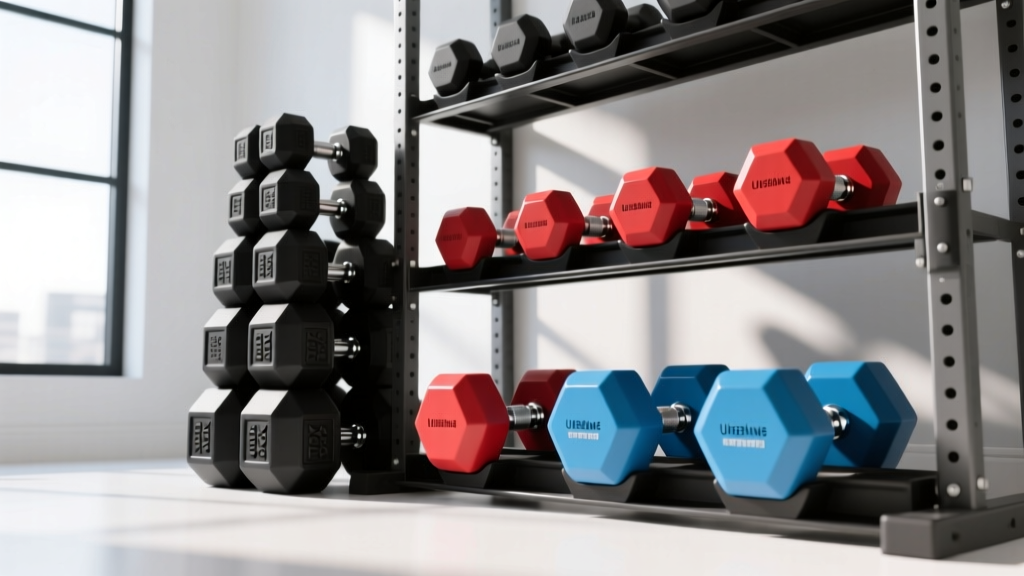
Rubber Hex vs Urethane Dumbbells: Space Layouts for a Fly Workout
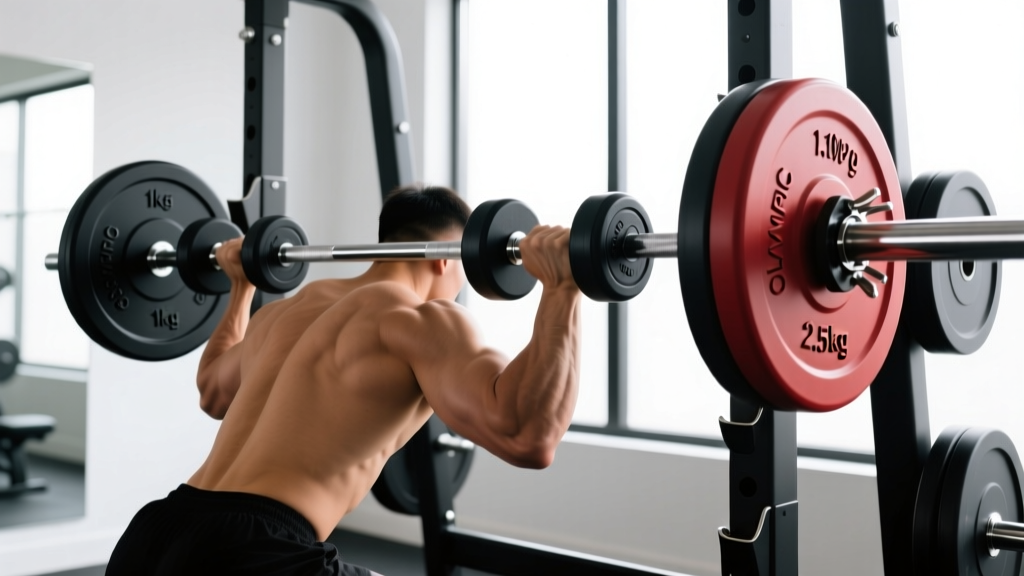
Olympic vs Standard Plates: Best Setup for Single Arm Dumbbell Rows
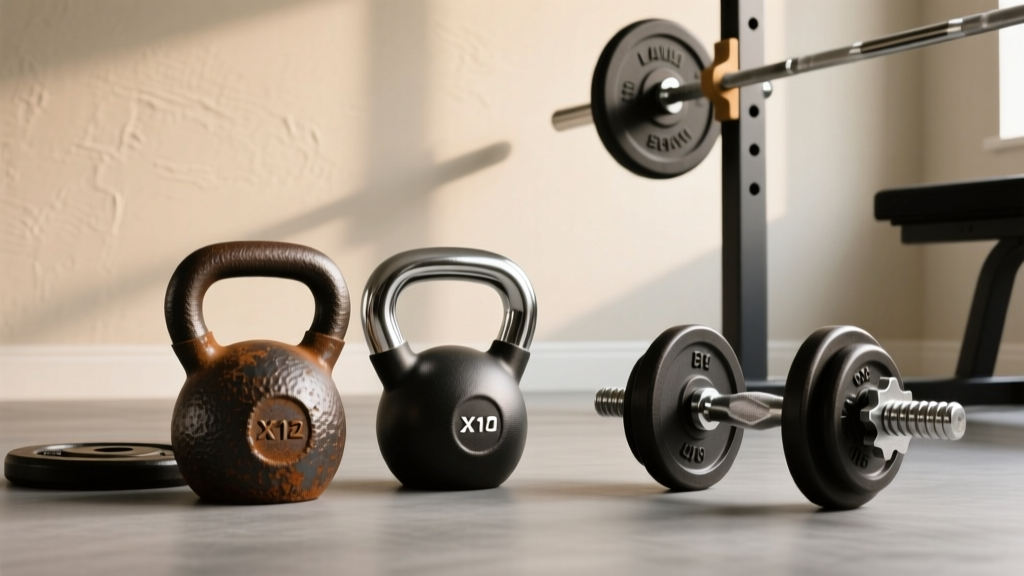
Cast Iron vs Competition Kettlebells & Lat Pullover with Dumbbells

Bumper vs Iron Plates: 2026 Trends for Your Dumbbell Strength Program
