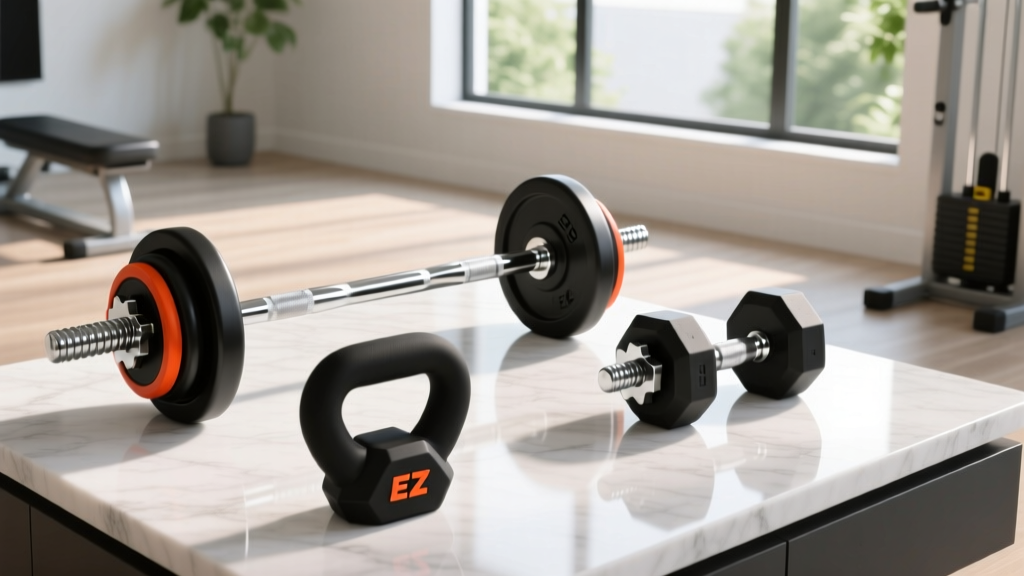
Upgrading Chest Workouts With Dumbbells and Bench: Olympic Barbell Weight & Knurling Mistakes
Avoid costly Olympic barbell buying mistakes when upgrading chest workouts from dumbbells and bench. Expert guide to weight specs, knurling types, and troubleshooting.

Why Lifters Transition From Dumbbells to Barbell for Chest Training
If you've spent months building a solid foundation with chest workouts using dumbbells and a bench, you've likely hit a ceiling. Dumbbells excel at unilateral development and range of motion, but they cap out around 100–120 lbs per hand for most intermediate lifters before stabilization demands compromise your pressing mechanics. The Olympic barbell unlocks linear progressive overload, allows you to handle significantly heavier loads on flat and incline bench press, and provides the stability needed to target the pectorals with maximal force output.
However, this transition introduces a purchasing decision that most lifters underestimate: selecting the right Olympic barbell based on weight tolerance and knurling specification. Get this wrong, and your bench press performance suffers immediately. Get it right, and you'll have a bar that serves your chest training for decades.
Olympic Barbell Weight Standards: What the Numbers Actually Mean
Not all Olympic barbells weigh the same. The term "Olympic" refers to the 50mm sleeve diameter that accommodates standard Olympic plates — not a universal weight specification. Here's what you need to know when upgrading your chest training setup:
| Bar Type | Weight | Shaft Diameter | Best For Bench Press? |
|---|---|---|---|
| Men's Olympic (Standard) | 20 kg / 44 lbs | 28–29mm | ✅ Ideal |
| Women's Olympic | 15 kg / 33 lbs | 25mm | ✅ Good for smaller hands |
| Power Bar (Competition) | 20 kg / 44 lbs | 29mm | ✅ Best for heavy bench |
| Technique/Training Bar | 10–15 kg / 22–33 lbs | 25–28mm | ⚠️ Transition only |
| Curl/EZ Bar (Non-Olympic) | Varies (7–12 kg) | 25–28mm | ❌ Not for flat bench |
The 20kg vs. 15kg Decision for Former Dumbbell Lifters
Here's a mistake I see constantly: lifters who've been pressing 60-lb dumbbells for reps assume a 45-lb barbell will feel "light" and easy to manage. It won't. The barbell distributes weight differently across your kinetic chain, and the fixed hand position demands more from your stabilizers initially. If you're benching 60-lb dumbbells for 8 reps (total load: 120 lbs + stabilization), expect your starting barbell bench to be around 135 lbs (bar + 45-lb plates each side) with noticeable adaptation needed in the first 3–4 weeks.
For lifters with smaller hands (palm width under 3.5 inches), the 25mm shaft of a women's Olympic bar provides measurably better grip security during bench press. The International Weightlifting Federation specifications confirm that the 25mm diameter was specifically designed for improved grip contact, not just reduced weight.
Knurling Deep Dive: What Actually Matters for Bench Press
Knurling is the patterned texture machined into the barbell shaft. For chest workouts transitioning from dumbbells, this is where most purchasing mistakes happen. Unlike dumbbells with their rubber or chrome handles, barbell knurling directly contacts your palms during every rep of bench press — and the wrong specification causes immediate problems.
Knurl Aggressiveness Scale for Bench Press
🟢 Mild (Hill Pattern / Light Volcano)
Feel: Smooth with subtle texture. Examples: Rep Fitness OB-50 (2024 model, ~$189), Titan Fitness Olympic Bar (~$139).
Best for: High-rep bench sets (12+ reps), lifters with sensitive palms, those transitioning gradually from rubber-coated dumbbells.
🟡 Medium (Standard Volcano)
Feel: Noticeable bite without tearing skin. Examples: Rogue Ohio Bar (~$245), Eleiko Training Bar (~$895).
Best for: Most lifters doing 5–12 rep bench work, balanced grip security without callus damage.
🔴 Aggressive (Deep Volcano / Sharp Mountain)
Feel: Immediate grip lock, tears skin with high volume. Examples: Rogue Ohio Power Bar (~$295), Texas Power Bar (~$345).
Best for: Low-rep heavy bench (1–5 reps), competitive powerlifters, chalk users.
Center Knurl: The Overlooked Bench Press Factor
Many budget Olympic barbells ($100–$180 range) omit the center knurl entirely. For chest workouts on a flat bench, the center knurl matters less than it does for back squats. However, if you plan to perform close-grip bench press or paused bench work, a center knurl provides tactile feedback for consistent hand placement. The experts at BarBend note that center knurl presence is one of the most common oversights in first-time barbell purchases for home gyms.
7 Critical Mistakes When Buying an Olympic Barbell for Chest Training
- Ignoring shaft diameter relative to hand size. A 29mm power bar shaft feels significantly thicker than a 28mm Olympic bar. If you've been using standard hex dumbbells (typically 25–28mm handle diameter), jumping to 29mm can cause premature grip fatigue during 8–12 rep bench sets. Measure your current dumbbell handles before purchasing.
- Choosing aggressive knurl for high-volume hypertrophy work. If your chest workouts involve 4–5 exercises totaling 16–20 working sets, aggressive knurl will shred your palms by set 12. Reserve sharp volcano knurl for strength-focused sessions under 5 reps.
- Not accounting for bar whip on bench press. "Whip" refers to the bar's flex under load. Olympic weightlifting bars are designed with significant whip (for cleans and snatches), which creates instability during bench press. For chest training, you want a stiffer power bar or multi-purpose bar with minimal whip — typically rated at under 1.5mm deflection at 200 lbs.
- Overlooking sleeve construction (bushing vs. bearing). Bronze bushings ($150–$300 bars) provide slower, more controlled sleeve rotation ideal for bench press. Needle bearings ($300+ bars) spin faster — great for Olympic lifts but unnecessary for pressing movements and can actually cause slight bar drift during heavy bench sets.
- Buying based on tensile strength alone. A 190,000 PSI bar is sufficient for bench pressing up to 500+ lbs. You don't need 215,000 PSI (competition-grade) unless you're dropping the bar from overhead. Focus spending on knurl quality over tensile strength for chest-focused training.
- Neglecting knurl ring markings. IPF-spec power bars have smooth rings at 810mm apart — these serve as your index finger placement guides for bench press. Olympic weightlifting bars have rings at 910mm. Using the wrong ring spacing as your reference point will throw off your grip width consistency across sessions.
- Assuming all "Olympic" bars fit standard racks. Budget bars under $120 sometimes use shorter sleeves (under 16 inches). If your power rack or squat stand has J-hooks set wide, short sleeves won't extend past the hooks safely. Minimum sleeve length for standard rack compatibility: 16.3 inches (415mm).
Real-World Barbell Comparison: Bench Press Focus (2026 Pricing)
| Model | Price (2026) | Knurl Type | Shaft | Bench Rating |
|---|---|---|---|---|
| Rogue Ohio Bar (Bushing) | $245 | Medium Volcano | 28.5mm | 8.5/10 |
| Rep Fitness OB-80 | $249 | Medium-Hill | 28.5mm | 8/10 |
| Rogue Ohio Power Bar | $295 | Aggressive Volcano | 29mm | 9.5/10 (low rep) |
| Titan Fitness Olympic | $139 | Mild Hill | 28mm | 6.5/10 |
| American Barbell Elite | $385 | Medium Volcano | 28mm | 9/10 |
| Eleiko Training Bar | $895 | Refined Medium | 28mm | 9.5/10 |
Troubleshooting Your Current Setup: Quick Diagnostic Guide
Already own an Olympic barbell but experiencing issues during chest workouts? Use this troubleshooting matrix:
Problem: Bar slips during bench press despite chalk
→ Diagnosis: Knurl is worn smooth (common after 2–3 years of heavy use on budget bars under $150). Solution: Replace bar or switch to liquid chalk with higher rosin content (Spider Chalk or Friction Labs Secret Stuff).
Problem: Wrist pain when transitioning from dumbbells
→ Diagnosis: Shaft diameter too thick for your hand size, causing excessive wrist extension. Solution: Switch to 25mm women's bar or use wrist wraps rated at 24" length for rigid support.
Problem: Bar feels unstable at the bottom of bench press
→ Diagnosis: Excessive bar whip (common in weightlifting-spec bars). Solution: Upgrade to a power bar with IPF certification — these have maximum deflection limits of 1.2mm under standard test loads per Rogue Fitness specifications.
Problem: Calluses tearing during high-volume chest days
→ Diagnosis: Knurl too aggressive for your rep range. Solution: Either reduce knurl contact by wearing lifting gloves (Bear Grips or Gymreapers) or file calluses down every 3–4 days with a pumice stone.
The Decision Framework: Matching Bar to Your Training Phase
Your ideal barbell depends on where you are in your chest training evolution:
- Phase 1 – Transitioning (0–6 months from dumbbells): Medium knurl, 28mm shaft, bushing sleeves. Budget: $150–$250. The Rep Fitness OB-50 or Titan Olympic fits here.
- Phase 2 – Intermediate (6–24 months, benching 185–275 lbs): Medium-aggressive volcano knurl, 28.5mm shaft. Budget: $245–$350. Rogue Ohio Bar or American Barbell Elite.
- Phase 3 – Advanced (275+ lbs bench, competing): Aggressive knurl, 29mm shaft, IPF ring markings. Budget: $295–$500. Rogue Ohio Power Bar or Texas Power Bar.
"The single biggest mistake I see lifters make when moving from dumbbell pressing to barbell bench is buying a bar that's either too aggressive for their volume or too mild for their load. Match the knurl to your rep range, not your ego."
— Performance equipment testing consensus, as cited in BarBend's 2025 barbell evaluation methodology
Frequently Asked Questions
Can I use the same barbell for chest workouts and Olympic lifts?
Technically yes, but it's a compromise. Multi-purpose bars (28.5mm shaft, medium knurl, moderate whip) like the Rogue Ohio Bar handle both adequately. However, if bench press is your primary focus and Olympic lifts are secondary, prioritize a stiffer power bar. The whip that aids cleans will hurt your bench stability.
How often should I clean my barbell knurling?
Every 2–4 weeks depending on use frequency. Use a nylon brush (not wire — wire brushes damage knurl peaks) with isopropyl alcohol. Chalk buildup in knurl valleys reduces grip effectiveness by an estimated 15–20% based on surface contact reduction.
Is a $130 barbell adequate for chest training?
For the first 12–18 months, yes — provided you're benching under 225 lbs. Beyond that, budget bars show premature knurl wear, sleeve play (wobble), and reduced spin consistency. Plan to upgrade around the $250 mark once you're consistently pressing 225+ for working sets.
Does barbell finish affect bench press performance?
Indirectly, yes. Bare steel bars offer the best knurl feel but rust within weeks without maintenance. Black oxide and bright zinc provide moderate protection with minimal knurl fill. Hard chrome and Cerakote ($50–$100 premium) offer maximum corrosion resistance but can slightly soften knurl aggressiveness due to coating thickness (typically 0.0005–0.002 inches per side).
More gear to consider
All reviews
Barbell Collar Clamp Guide: Beyond Dumbbell Chest Workouts No Bench

Fierce 5 Dumbbell Routine: Cast Iron vs Competition Kettlebells
Neoprene vs Hex Iron: Chasing the 100 Pound Dumbbell Curl at Home
10 lbs Dumbbell Set Care: Rubber Hex vs Urethane Longevity

Barbell Collars: Upgrading Your Dumbbell Workout Schedule at Home