Cast Iron vs Competition Kettlebells & Nike Grind Dumbbell Set Care
Maximize free weight lifespan. Compare cast iron vs competition kettlebell maintenance and discover care routines for the Nike Grind dumbbell set.

The Material Science of Free Weight Longevity
When building a home gym or upgrading a commercial facility, the focus is overwhelmingly on the initial purchase: the brand, the weight increments, and the aesthetic. However, the true cost of free weights is measured over decades, not days. Understanding the material science behind your equipment is the first step toward mastering maintenance. The porosity of gray cast iron, the machined tolerances of competition steel, and the chemical binders in upcycled rubber all dictate entirely different care protocols. Ignoring these nuances leads to flash rust, degraded handles, and crumbling coatings, ultimately costing hundreds of dollars in premature replacements.
Cast Iron Kettlebells: Managing Porosity and Oxidation
Traditional cast iron kettlebells are typically poured from Class 20 or Class 30 gray iron. This material contains a high carbon content (between 2.5% and 4%), which provides excellent compressive strength but introduces significant microscopic porosity. This porosity is the primary enemy of cast iron longevity, as it traps moisture, sweat, and ambient humidity against the metal substrate.
The Coating Hierarchy
Not all cast iron bells are finished equally. The lifespan of your equipment depends heavily on the factory coating:
- Bare Iron: Highly susceptible to flash rust. Will oxidize within 48 hours if ambient relative humidity (RH) exceeds 60%.
- E-Coating (Electrophoretic Deposition): Provides a thin, uniform layer of protection. Excellent for preventing rust but wears quickly on the handle due to friction and chalk.
- Powder Coating: The industry standard for premium bells (e.g., Rogue, Rep Fitness). A thermoset polymer cured at 400°F. Highly durable, but chips can expose the porous iron beneath, leading to subsurface rust creeping under the intact coating.
Magnesium carbonate (gym chalk) is highly hygroscopic, meaning it pulls moisture directly from the air. When mixed with the slightly acidic pH of human sweat (typically 4.5 to 7.0), it forms a corrosive paste that accelerates iron oxidation by up to 300%. Always brush out the handle grooves of your cast iron bells with a stiff nylon brush after every session.
Competition Steel: Preserving Machined Tolerances
Competition kettlebells are an entirely different beast. Governed by strict dimensional standards—such as those outlined by the International Weightlifting Federation and various kettlebell sport federations—these bells must maintain exact physical dimensions regardless of weight. A 12kg competition bell and a 32kg competition bell share the exact same outer dimensions (typically 200mm height, 200mm width, and a 35mm or 33mm handle diameter).
Metallurgy and Handle Care
To achieve these uniform dimensions across vastly different weights, competition bells are machined from solid steel, often 1018 or 1045 carbon steel. The handles are rarely powder-coated; instead, they are left as bare, polished steel or treated with a micro-thin clear coat to preserve the exact 35mm diameter required for sport grip techniques like the double snatch or jerk.
Maintaining competition steel requires a focus on friction management rather than just rust prevention. Applying heavy oils or silicone sprays to the handle will ruin the grip mechanics required for kettlebell sport. Instead, use a high-quality 3-in-One mineral oil applied sparingly with a microfiber cloth once a month. This displaces trapped moisture without leaving a slick residue that compromises the lifter's hook grip.
Sustainable Composites: Nike Grind Dumbbell Set Maintenance
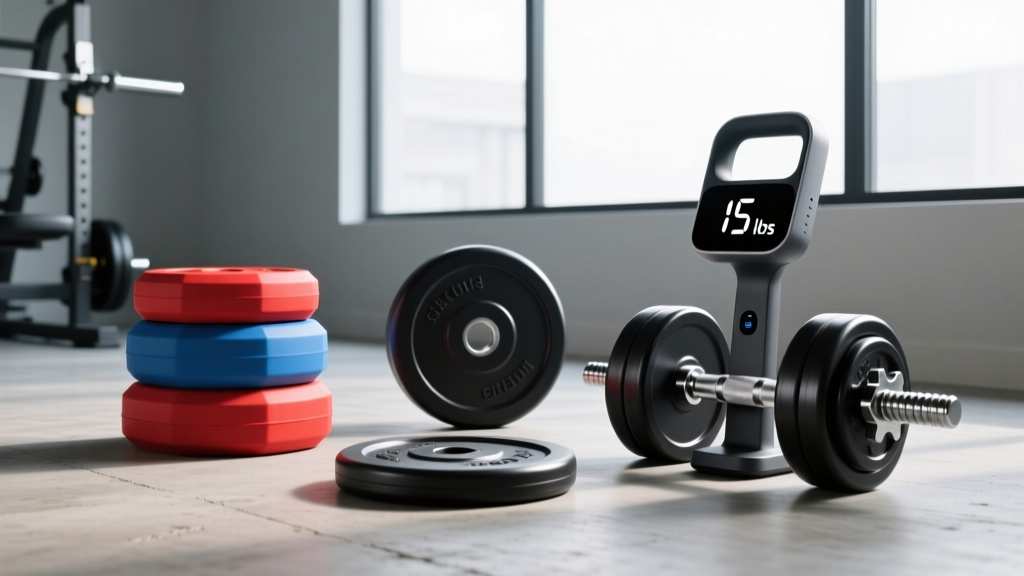
As the fitness industry shifts toward circular economies, eco-friendly equipment has become a staple in modern gyms. When outfitting a sustainable training space, you might incorporate gear like a Nike Grind dumbbell set. The Nike Grind program repurposes post-consumer athletic shoes and manufacturing scrap into high-density rubber and EVA foam composites used in flooring and free weight coatings.
Protecting Polyurethane Binders
While recycled rubber is incredibly durable against impact, it is highly vulnerable to chemical degradation. The polyurethane binders used to hold the Nike Grind rubber particles together are susceptible to hydrolysis and UV degradation.
- Chemical Avoidance: Never clean a Nike Grind dumbbell set with bleach, ammonia, or alcohol-based sanitizers. These harsh solvents break down the chemical bonds of the rubber binder, leading to surface crumbling, color fading, and a sticky residue.
- Proper Cleaning Protocol: Use a pH-neutral dish soap diluted in warm water. Wipe down with a damp microfiber towel and immediately dry.
- UV Protection: Prolonged exposure to direct sunlight (specifically UV wavelengths below 400nm) will vulcanize the rubber prematurely. Store these dumbbells on indoor racks away from south-facing windows to prevent the outer shell from drying out and cracking.
Environmental Control Matrix for Free Weights
The environment in which you store your equipment dictates your maintenance frequency. Below is a data-driven matrix to help you optimize your gym's climate for maximum gear longevity.
| Gear Type | Primary Threat | Ideal Humidity (RH) | Cleaning Agent | Storage Requirement |
|---|---|---|---|---|
| Cast Iron Kettlebells | Micro-porosity Oxidation | 30% - 45% | Mineral Oil / Nylon Brush | Off concrete floors |
| Competition Steel | Chalk/Sweat Corrosion | 30% - 50% | Dry Microfiber | Climate-controlled indoor |
| Nike Grind Dumbbell Set | UV / Solvent Breakdown | 40% - 60% | pH-Neutral Soap | Away from direct sunlight |
Pro Tip on Concrete Subfloors: Concrete is highly porous and constantly wicks moisture from the earth. Storing cast iron kettlebells directly on a garage concrete floor creates a localized microclimate of high humidity, guaranteeing rust on the flat bottom of the bell. Always use rubber matting or elevated steel storage racks to break the moisture bridge.
Step-by-Step Cast Iron Restoration Protocol
If you have acquired neglected, heavily oxidized cast iron kettlebells, do not resort to aggressive mechanical grinding, which alters the handle geometry and destroys the factory dimensions. As detailed in Popular Mechanics' comprehensive rust removal guides, chemical chelation is the safest method for preserving the structural integrity of fitness equipment.
- Preparation: Remove any loose, flaking rust or old powder coating using a brass-bristle brush. Avoid steel wire wheels, as they can gouge the softer gray iron.
- Chelation Bath: Submerge the kettlebell in a non-toxic chelating agent like Evapo-Rust. This chemical selectively targets iron oxide without eating into the base metal. A standard 24kg kettlebell requires roughly 2.5 gallons of solution and a 5-gallon bucket.
- Soak Time: Allow the bell to soak for 12 to 24 hours. For deep pitting, agitate the solution every few hours to dislodge suspended rust particles.
- Neutralization and Drying: Remove the bell and rinse thoroughly with distilled water. Immediately dry with compressed air or a heat gun to prevent flash rusting. The iron must be completely bone-dry.
- Re-seasoning: Apply a thin coat of camellia oil or food-grade mineral oil. If you prefer a dry grip, you can bake a coat of paste wax (like carnauba) onto the handle using a heat gun, then buff it out with a clean rag. This seals the microscopic pores and provides a smooth, rust-resistant finish for future training.
Final Thoughts on Equipment Investment
Whether you are swinging a 32kg competition steel bell, pressing a recycled Nike Grind dumbbell set, or performing goblet squats with classic cast iron, the longevity of your gear is entirely in your hands. By matching your maintenance protocol to the specific metallurgy and material science of your equipment, you transform free weights from a depreciating expense into a lifelong training asset. Consistent, informed care ensures that your equipment will outlast your fitness plateaus and remain a reliable cornerstone of your strength journey.
More gear to consider
All reviews
Maintaining Loadable Dumbbells for CrossFit Dumbbell Thrusters

Organizing Your Dumbbell Front Row: Neoprene Setup Guide

Bumper vs Iron Plate Maintenance & The Kong Squeezz Dumbbell Test

Power Rack vs Squat Stand: Upgrading From Squatting With A Dumbbell

Power Rack vs Squat Rack vs Stand: Setup for Russian Deadlift with Dumbbells