
Cast Iron vs Competition Kettlebells & the Two Hand Dumbbell Curl
Analyze the true cost-per-pound of cast iron vs competition kettlebells, and how they compare to dumbbells for the two hand dumbbell curl.

The Economics of Iron: Building a Versatile Home Gym in 2026
When outfitting a home gym on a strict budget, every dollar must yield maximum versatility. The modern fitness enthusiast wants equipment that can transition seamlessly from high-heart-rate ballistic swings to slow-twitch hypertrophy work. This leads to a common space-saving and budget-optimizing question: Can a single type of free weight replace both traditional dumbbells and specialized sport equipment?
To answer this, we must conduct a rigorous value analysis of the two dominant kettlebell categories—cast iron and competition steel—and evaluate their utility for traditional bodybuilding movements. Specifically, we will look at how these bells accommodate isolation exercises like the two hand dumbbell curl, a staple for overloading the biceps and brachialis using a single heavy weight held with both hands.
Price-Per-Pound Breakdown: Cast Iron vs. Competition
Before analyzing biomechanics, we must look at the raw financial data. In 2026, the price gap between cast iron and competition kettlebells remains significant, driven by manufacturing tolerances, material density, and quality control.
| Equipment Type | Avg. Cost Per Pound (2026) | Material & Finish | Dimensional Consistency |
|---|---|---|---|
| Cast Iron Kettlebells | $1.60 - $2.20 / lb | Cast iron, powder-coated or enamel | Low (Size scales with weight) |
| Competition Kettlebells | $4.00 - $5.50 / lb | Solid steel, color-coded bare steel | High (Uniform size across all weights) |
| Rubber Hex Dumbbells | $1.80 - $2.60 / lb | Steel core, rubber coating | High (Standardized handles) |
According to pricing data from major manufacturers like Rogue Fitness, a standard 24kg (53lb) cast iron kettlebell will cost roughly $95 to $115. Conversely, a 24kg competition bell from Kettlebell Kings or similar premium brands will easily exceed $220. If your primary goal is general strength and hypertrophy on a budget, cast iron offers a vastly superior return on investment (ROI), saving you nearly 60% per pound of resistance.
Biomechanics & Versatility: Adapting the Two Hand Dumbbell Curl
Many home gym owners attempt to minimize their equipment footprint by using kettlebells for isolation work. A prime example is adapting the two hand dumbbell curl. Traditionally, this exercise involves gripping a single heavy dumbbell by the inner plate or handle with both hands to maximize the load on the biceps brachii and brachialis without requiring two separate, ultra-heavy dumbbells.
But how does a kettlebell's geometry affect this movement? The answer lies in handle diameter and horn spacing.
Anatomy of the Curl: Horn Grip vs. Handle Grip
Competition Bells: Built to International Union of Kettlebell Fitness (IUKF) standards, competition bells feature a strict 33mm handle diameter and a wide horn spacing (typically 186mm). While perfect for the clean and jerk, this wide horn spacing forces your hands far apart during a two-handed curl. This turns the movement into an awkward, wide-grip strain that places excessive torque on the wrists and reduces the peak contraction of the biceps.
Cast Iron Bells: Because cast iron bells scale in physical size with their weight, a 24kg or 32kg bell features tighter horn spacing (often 140mm-160mm) and a thicker handle (35mm+). The tighter horns allow you to grip the sides of the bell (the 'horns') in a neutral or semi-supinated position. This closely mimics the mechanics of a close-grip hammer curl, making the cast iron bell a surprisingly effective tool for brachialis overload.
As noted in biomechanical directories like ExRx.net, maintaining proper wrist alignment and targeting the brachialis requires a grip width that allows the elbows to track naturally down the sides of the ribcage. The wide profile of a competition kettlebell actively fights this natural tracking during curling motions, whereas the compact, dense profile of a heavy cast iron bell facilitates it.
Long-Term Durability and Hidden Costs
Value analysis extends beyond the initial purchase price. We must factor in maintenance, floor impact, and longevity.
The Maintenance Factor
- Cast Iron (Powder Coated): Virtually maintenance-free. The textured powder coat resists chipping and rust, making it ideal for humid garage gyms. However, the textured handle can tear calluses during high-repetition ballistic work.
- Competition (Bare Steel): Requires regular maintenance. The bare steel handles absorb chalk and sweat, providing an elite grip for sport lifting, but they will rust if not periodically sanded and treated with a light coat of mineral oil or 3-in-1 oil.
Floor Density and Impact
Competition kettlebells are made of solid steel, making them incredibly dense. A 32kg competition bell has the exact same physical footprint as an 8kg competition bell. This smaller surface area means higher pounds-per-square-inch (PSI) impact if dropped on rubber matting. Cast iron bells are larger and slightly less dense, distributing impact over a wider area, which can be a hidden value-add if your home gym flooring is sub-par.
Decision Matrix: Which Bell Wins Your Budget?
To maximize your free weight ROI, align your purchase with your specific training methodology.
Profile A: The Hypertrophy & General Fitness Generalist
Verdict: Cast Iron Kettlebells
If your programming blends kettlebell swings, goblet squats, and bodybuilding adaptations like the two hand dumbbell curl, cast iron is the undisputed value champion. The tighter horn spacing allows for better bicep isolation, and the lower cost-per-pound allows you to buy a wider variety of weights (e.g., a 16kg, 24kg, and 32kg) for the price of a single heavy competition bell.
Profile B: The Sport Specialist & Technical Lifter
Verdict: Competition Kettlebells
If you are training for kettlebell sport (Girevoy), or your programming relies heavily on complex flow sequences, snatches, and double clean-and-jerks, the uniform 33mm handle and identical window sizes of competition bells are non-negotiable. The financial premium pays for muscle-memory consistency and technical precision.
'True equipment value isn't just about the cheapest price tag; it's about the cost-per-usable-training-session. A $250 competition bell is a poor value if its wide horns prevent you from effectively executing your isolation arm work, whereas a $100 cast iron bell that handles both swings and curls pays for itself in a month.'
Final Verdict: Maximizing Your Free Weight ROI
When conducting a budget breakdown for your home gym, do not let the allure of color-coded competition steel blind you to the raw utility of cast iron. For the vast majority of lifters who want to perform ballistic movements alongside traditional hypertrophy work—including heavy, modified isolation movements like the two hand dumbbell curl—powder-coated cast iron kettlebells offer the highest functional ROI in 2026.
By choosing cast iron, you save up to 60% on your initial equipment outlay, gain a more versatile grip profile for upper-body isolation, and eliminate the ongoing maintenance required by bare steel. Reinvest those savings into a quality adjustable bench or a set of fractional plates, and your home gym will yield dividends for decades.
More gear to consider
All reviews
Rubber Hex vs Urethane: Top Picks for Dumbbell Workouts

EZ vs Straight Bar Care: Beyond Exercises With Two Dumbbells
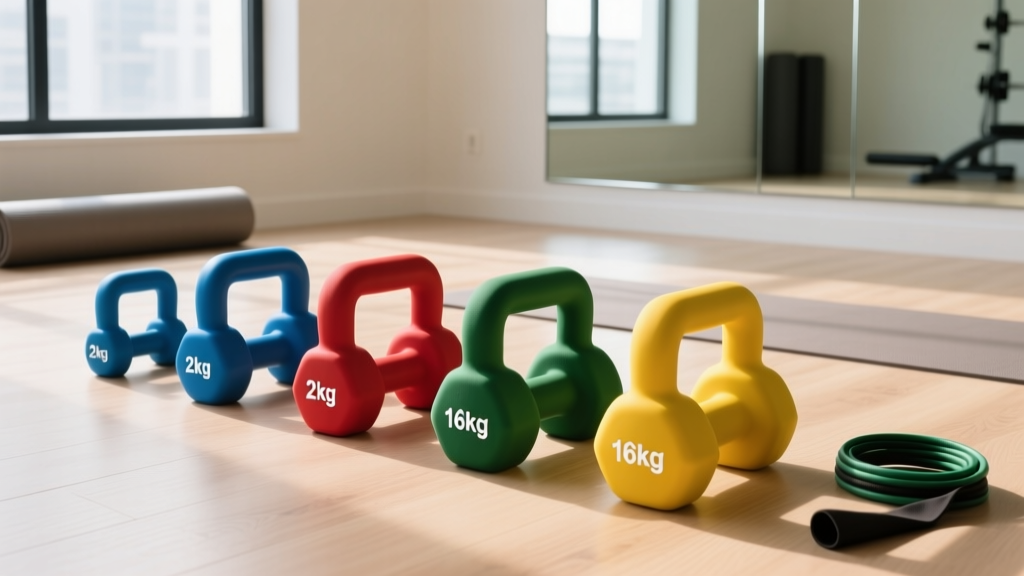
What Dumbbell Weight Should I Start With? Neoprene Sets Compared
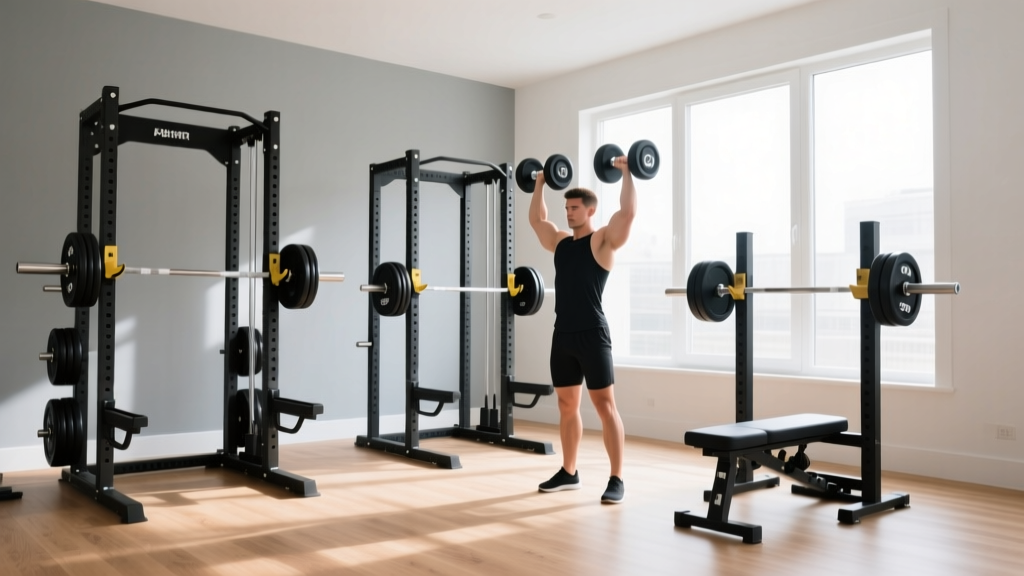
Power Rack vs Squat Rack vs Stand: Standing Dumbbell Chest Workout Setup
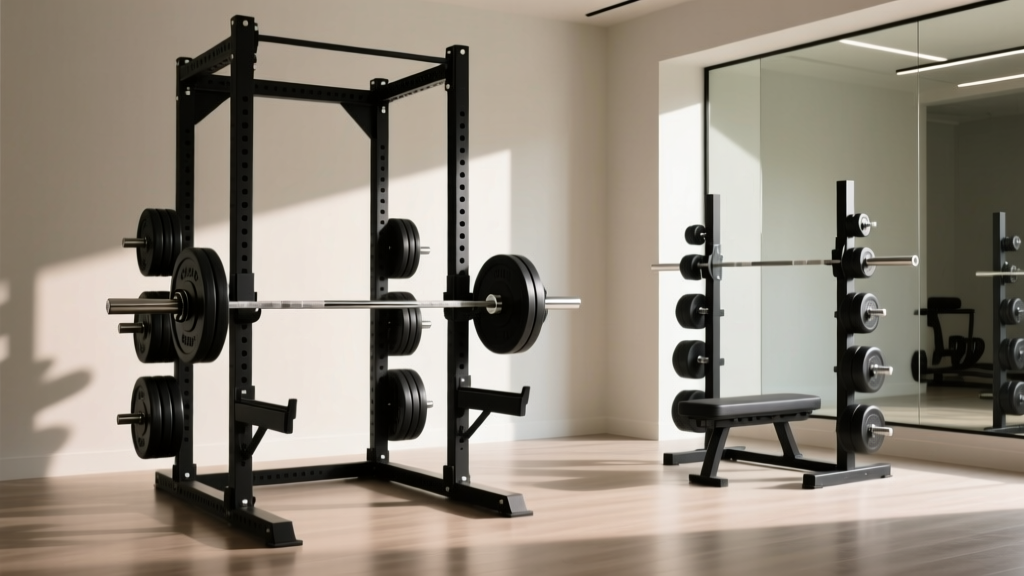
Troubleshooting Barbell or Dumbbell Deadlifts: Power Rack vs Squat Stand
