
Rubber Hex vs Urethane: Care for Dragon Ball Dumbbells & Pro Gear
Compare rubber hex vs urethane dumbbell maintenance. Learn longevity tips for commercial gear and custom Dragon Ball dumbbells to prevent degradation.

The Material Matrix: Why Dumbbell Coatings Dictate Maintenance
When building a home gym or upgrading a commercial facility, the debate between rubber hex dumbbells and premium urethane sets usually centers on price and drop-durability. However, from a maintenance and longevity perspective, these materials age in vastly different ways. Add custom novelty gear into the mix—such as highly sought-after, custom-cast Dragon Ball dumbbells featuring painted resin or silicone shells—and the maintenance matrix becomes even more complex.
Understanding the chemical vulnerabilities of vulcanized rubber, polyurethane elastomers, and novelty resins is the key to protecting your investment. A $500 set of urethane dumbbells can yellow and degrade if cleaned with the wrong solvents, while a $150 rubber hex set can succumb to dry rot and seam-splitting within three years if exposed to UV light and ozone. Below, we break down the exact care protocols, failure modes, and restoration techniques for every major dumbbell coating type.
Material Degradation & Cost Comparison
| Material Type | Avg. Cost (per lb) | Primary Failure Mode | UV & Ozone Resistance | Recommended Cleaner |
|---|---|---|---|---|
| Rubber Hex (Vulcanized) | $1.25 - $2.20 | Plasticizer migration (chalky residue), seam splitting | Poor (Requires UV protectant) | Mild dish soap, 303 Aerospace |
| Urethane (Polyurethane) | $3.50 - $5.50+ | Micro-abrasions, long-term UV yellowing | Moderate to High | Diluted Simple Green, Microfiber |
| Novelty Resin/Silicone (e.g., Dragon Ball Dumbbells) | $4.00 - $8.00 (Custom) | Impact shattering, paint delamination | Very Poor (Paint fades rapidly) | Dry dusting, distilled water only |
Maintaining Standard Rubber Hex Dumbbells
Rubber hex dumbbells, like the popular models from CAP Barbell or Rep Fitness, are the workhorses of the fitness industry. They are manufactured by encasing an iron or steel core in vulcanized rubber. While they absorb shock and protect flooring, the rubber compound is highly porous and reactive to environmental factors.
Preventing the 'Rubber Stink' and Plasticizer Migration
The most common complaint with rubber hex dumbbells is the lingering chemical odor and the eventual white, chalky residue that forms on the surface. This residue is not mold; it is plasticizer migration. As the rubber oxidizes and is exposed to the lactic acid and urea in human sweat, the chemical bonds break down, pushing the oily plasticizers to the surface.
- The Cleaning Protocol: Never use bleach, alcohol, or harsh degreasers on rubber hex dumbbells. According to BarBend's equipment maintenance guide, harsh chemicals strip the rubber of its natural moisture, accelerating dry rot. Instead, use a solution of warm water and a few drops of mild dish soap (like Dawn) on a microfiber cloth.
- The Restoration Fix: If your dumbbells have already developed the chalky white film, clean them thoroughly, let them dry, and apply a light coat of 303 Aerospace Protectant. This UV-blocking formula rehydrates the rubber and seals the pores, locking in odors and preventing further oxidation.
Edge Case: Seam Splitting on Hex Edges
Rubber hex dumbbells are notorious for splitting at the sharp geometric edges after repeated drops on hard surfaces. Over time, the kinetic energy compresses the rubber against the iron core, causing the adhesive bond to fail. To maximize longevity, always use them on standard 3/4-inch horse stall mats. If you notice a seam beginning to peel, apply a flexible, impact-resistant cyanoacrylate glue (like Loctite Plastics Bonding System) immediately to prevent moisture from entering the core and rusting the iron from the inside out.
Urethane Dumbbell Care: Protecting the Premium Investment
Urethane dumbbells represent the gold standard for commercial and high-end home gyms. Brands like Rogue, Eleiko, and Ivanko use high-density polyurethane elastomers that are virtually odorless, non-marking, and highly resistant to oils and sweat. However, their premium price tag ($3.50 to over $5.00 per pound) demands strict adherence to specific care protocols.
UV and Temperature Sensitivity
While urethane is vastly superior to rubber in terms of abrasion resistance, it is susceptible to photodegradation. Prolonged exposure to direct sunlight will cause the molecular chains in the polyurethane to break down, resulting in irreversible yellowing and a gradual loss of structural integrity. Eleiko's official care and maintenance documentation explicitly warns against storing urethane equipment in areas with high UV exposure or extreme temperature fluctuations, which can cause the steel handle to expand and contract at a different rate than the urethane shell, leading to internal micro-fractures.
Cleaning Protocols: What to Avoid
Urethane is highly resistant to sweat, but it is vulnerable to certain solvents. Never use acetone, paint thinner, or undiluted isopropyl alcohol on urethane. These solvents will dissolve the outer layer of the elastomer, leaving it permanently sticky and prone to tearing.
💡 Pro Tip for Urethane Care: For daily sanitation, use a 1:10 dilution of Simple Green All-Purpose Cleaner and water. Spray the cloth, not the dumbbell, to prevent liquid from pooling where the handle meets the weight head—a common entry point for rust on chrome-plated handles.Novelty & Custom Sets: Caring for Dragon Ball Dumbbells
The fitness community has recently seen a surge in custom, novelty weight sets, with Dragon Ball dumbbells being a prime example. These are typically custom-cast using a mixture of iron sand and resin, or feature a steel core encased in a 3D-printed PETG/silicone shell that is meticulously hand-painted to resemble the iconic anime artifacts. While they serve as incredible display pieces and functional light-to-medium weights, their material composition requires an entirely different maintenance paradigm.
Paint, Resin, and Silicone Degradation
Unlike vulcanized rubber or molded urethane, the outer shells of novelty Dragon Ball dumbbells are often sealed with automotive-grade clear coats or acrylic paints. The primary enemy here is friction and impact.
- Impact Shattering: Resin and 3D-printed plastics do not possess the shock-absorbing qualities of urethane. Dropping a resin-cast Dragon Ball dumbbell on a concrete garage floor, even from waist height, will likely result in catastrophic shell shattering. These must be treated like glass and set down gently.
- Paint Delamination: The oils and salts from human hands will slowly eat away at hand-painted details. Users should wear lifting gloves or chalk their hands before handling custom painted sets to preserve the aesthetic finish.
- Silicone Tearing: If your novelty set uses a silicone outer layer for grip, be aware that silicone attracts dust and lint magnetically. Clean it using a lint roller and a damp cloth with distilled water. Avoid tap water, as the minerals can leave hard water spots that dull the vibrant colors of the custom paint job.
'Custom novelty weights bridge the gap between functional fitness and collectible art. Treat the coating not as gym equipment, but as an automotive finish—keep it out of the sun, away from harsh chemicals, and protected from impact.' — Custom Fitness Fabrication Best Practices
Longevity Comparison & Replacement Framework
Knowing when to repair versus when to replace your dumbbells is crucial for safety and performance. Use this framework to evaluate your gear:
- Repair: Surface rust on chrome handles (use 0000 steel wool and 3-in-One oil), minor rubber seam splits (flexible superglue), and chalky rubber residue (303 Aerospace Protectant).
- Replace: Deep structural cracks in urethane that expose the steel core, shattered resin shells on novelty/Dragon Ball dumbbells, or severely bent handles that compromise the balance and biomechanics of the lift.
The Role of Storage Racks
Proper storage is the final pillar of dumbbell longevity. Tossing dumbbells into a generic plastic bin causes the edges to chip and the handles to scratch. Invest in a tiered steel rack with UHMW (Ultra-High Molecular Weight) polyethylene lining on the shelves. This specific plastic lining prevents the metal rack from grinding against the dumbbell heads, preserving the crisp edges of your rubber hex sets and the pristine finish of your urethane or custom Dragon Ball sets. As noted in the Rogue Fitness urethane specifications, proper racking prevents the concentrated stress points that lead to long-term coating deformation.
Frequently Asked Questions (FAQ)
Can I use Clorox wipes on my rubber hex or urethane dumbbells?
No. Most commercial antibacterial wipes contain quaternary ammonium compounds and alcohols that will dry out vulcanized rubber and degrade the chemical bonds in polyurethane over time. Stick to mild soap and water or specialized gym equipment wipes that are explicitly labeled as 'alcohol-free' and 'safe for rubber/urethane'.
How do I remove sticky residue from urethane dumbbells?
If your urethane dumbbells have become sticky due to improper cleaning solvent use, the top layer of the elastomer has been chemically compromised. You can attempt to salvage them by gently buffing the surface with a baking soda and water paste, but severe cases will require professional re-coating or replacement.
Are Dragon Ball dumbbells safe for heavy lifting?
Most novelty Dragon Ball dumbbells are designed for light-to-moderate isolation work (e.g., lateral raises, curls) and are rarely manufactured in weights exceeding 25-30 lbs due to the structural limitations of resin and custom 3D-printed shells. For heavy compound movements, always rely on commercially tested urethane or cast iron sets.
More gear to consider
All reviews
Rubber Hex vs Urethane: Chest and Tricep Workout with Dumbbells

Olympic vs Standard Plates: Bowflex SelectTech 552 Dumbbell Set Guide
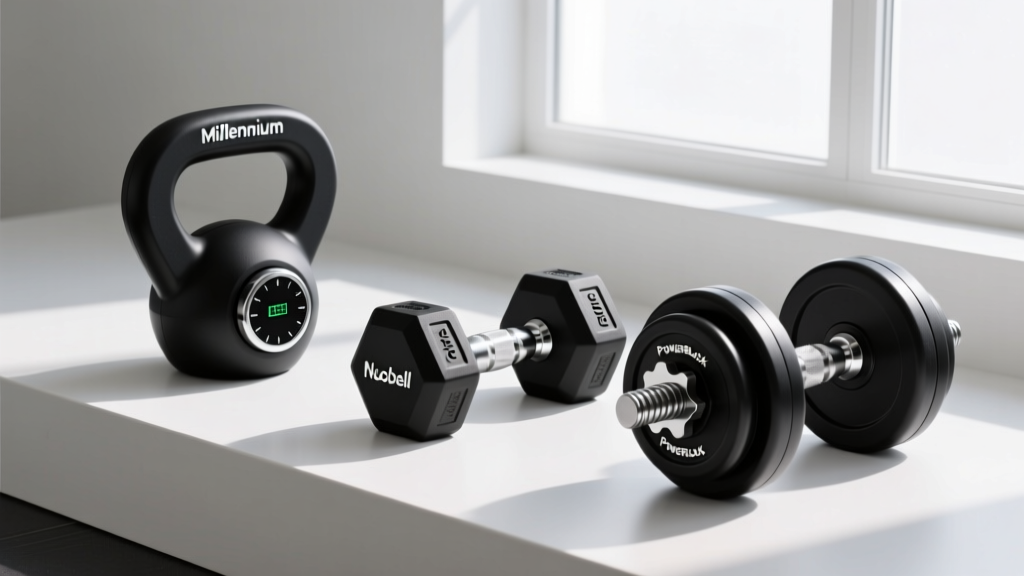
Millennium Dumbbell vs Nuobell & PowerBlock: 2026 Comparison

EZ Curl vs Straight Bar: Evolving the Dumbbell Program for Beginners

Space Setup & 20 Minute Dumbbell Workout for Beginners
