Can Dumbbells Build Muscle Long-Term? Rubber Hex vs Urethane Care
Discover how material choice impacts your gains. We compare rubber hex vs urethane dumbbell maintenance, longevity, and care to maximize hypertrophy.

The Hypertrophy Reality: Why Material Degradation Kills Gains
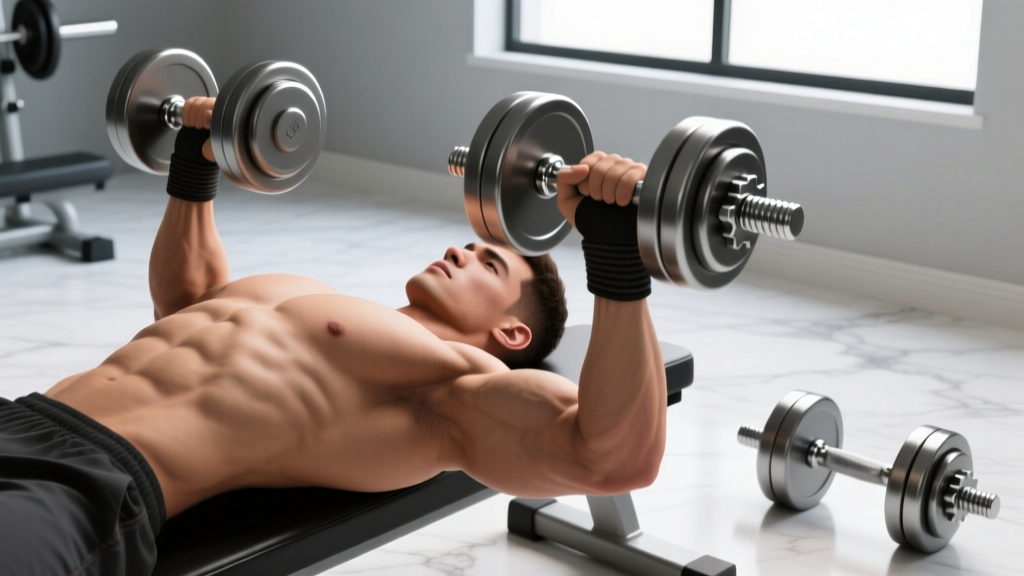
When beginners and intermediate lifters ask, can dumbbells build muscle, the physiological answer is an emphatic yes. According to the Mayo Clinic, strength training with free weights is a premier method for increasing muscle mass, bone density, and metabolic rate through progressive overload. However, the practical answer depends entirely on your ability to train consistently over years. You cannot achieve long-term hypertrophy if your equipment degrades, compromises your grip, or becomes unsafe to handle.
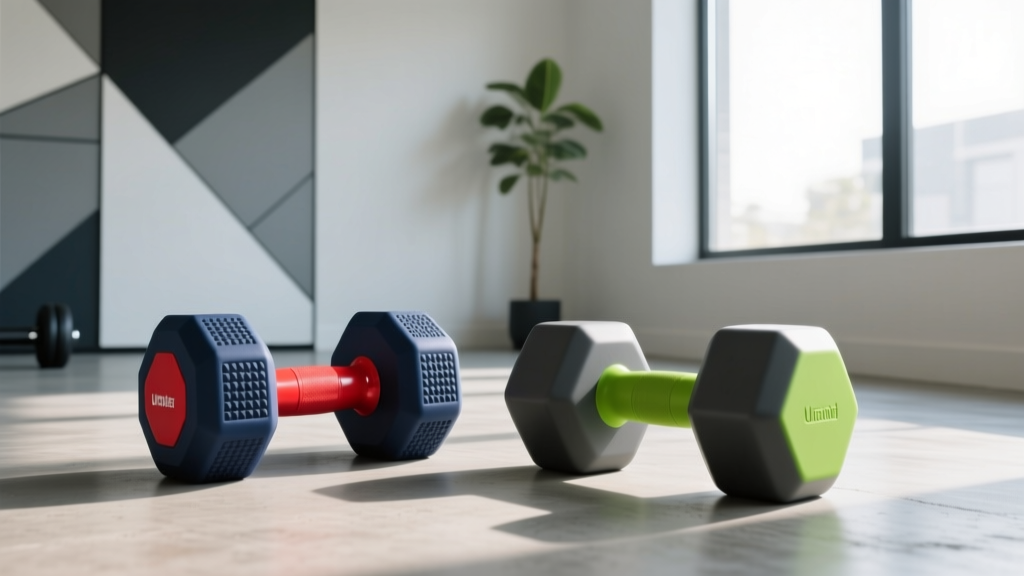
This brings us to the most critical, yet overlooked, debate in home and garage gym setups: rubber hex dumbbell vs urethane dumbbell. While both serve the same biomechanical purpose, their chemical compositions dictate vastly different maintenance routines, failure modes, and lifespans. As of 2026, understanding how to care for these specific materials is the difference between a lifetime investment and a recurring expense.
Rubber Hex Dumbbells: Maintenance Protocols & Failure Modes
Rubber hex dumbbells (like the ubiquitous CAP Barbell Cast Iron Hex series) remain the budget workhorse of the fitness industry, typically costing between $1.20 and $1.80 per pound. They are manufactured using a mix of recycled and virgin rubber poured into steel molds. While excellent for dampening sound and protecting floors, rubber is highly susceptible to environmental degradation.
The 'Sticky' Phase: Plasticizer Migration
The most common failure mode of cheap rubber dumbbells is plasticizer migration. Over time, or when exposed to high heat and UV light, the chemical compounds that keep the rubber pliable begin to leach to the surface. This results in a sticky, tar-like residue that transfers to your hands, clothing, and gym floors. Once a dumbbell reaches this stage, it can severely compromise your grip strength—a critical factor in motor unit recruitment and muscle activation, as noted by kinesiology experts at ExRx.
Actionable Rubber Care Routine
To maximize the lifespan of rubber hex dumbbells, you must implement a strict maintenance protocol:
- The Factory Wash: Brand new rubber dumbbells are coated in a 'mold release agent' from the manufacturing process. Within the first week of purchase, scrub the rubber heads with a stiff nylon brush, warm water, and a grease-cutting dish soap (like Dawn). Rinse and dry completely.
- UV & Ozone Protection: Every 3 to 4 months, apply a coat of 303 Aerospace Protectant. This specific formula bonds to the rubber, blocking UV rays and preventing ozone cracking without leaving a greasy residue.
- Temperature Control: Never store rubber dumbbells in an uninsulated garage where temperatures exceed 95°F (35°C) in the summer, as heat accelerates the sulfur breakdown in recycled rubber.
If your rubber dumbbells emit a strong, persistent chemical odor after 60 days, they are likely made from low-grade recycled tire rubber containing high levels of volatile organic compounds (VOCs). No amount of cleaning will permanently fix this. For indoor home gyms, always verify that the manufacturer uses 'virgin rubber' or low-VOC compounds to protect your indoor air quality.
Urethane Dumbbells: The Premium Standard & Edge Cases
Urethane dumbbells (such as the Rogue Urethane Dumbbells or the legendary Ivanko U-Series) are the gold standard for commercial facilities and high-end home gyms. Priced between $4.50 and $7.50+ per pound, they represent a significant financial commitment. Ivanko, a pioneer in urethane-coated weights, utilizes Cast Polyurethane (CPU) to create a virtually indestructible outer shell. However, 'indestructible' is a relative term, and urethane has its own unique edge cases.
Hydrolysis: The Silent Polymer Killer
While urethane is immune to the UV degradation and plasticizer leaching that plagues rubber, it is vulnerable to hydrolysis. This is a chemical reaction where water molecules break down the polymer chains of the urethane over time. In environments with sustained relative humidity above 65%, lower-grade Thermoplastic Polyurethane (TPU) can become brittle and chip after 5 to 7 years. High-quality CPU urethane resists this far better, but environmental controls are still mandatory.
Shore A Hardness and Drop Tolerance
Urethane is significantly harder than rubber. Most premium urethane dumbbells register between 85 and 90 on the Shore A Durometer scale (compared to rubber's 75-80). This hardness makes them highly resistant to tearing, but it reduces their shock absorption. Edge Case Failure: Dropping a 100lb urethane dumbbell directly onto bare concrete will not break the urethane, but the sheer kinetic transfer can crack the internal steel core or snap the handle. Always use 3/4-inch horse stall mats or high-density EVA foam drop pads when training to failure.
Longevity Matrix: Rubber Hex vs. Urethane
To help you decide which material aligns with your maintenance capabilities and budget, review the comparative data below:
| Feature | Rubber Hex Dumbbells | Urethane Dumbbells |
|---|---|---|
| Average Cost (2026) | $1.20 - $1.80 / lb | $4.50 - $7.50+ / lb |
| Expected Lifespan | 5 - 10 Years (Climate Dependent) | 15 - 25+ Years |
| Primary Failure Mode | UV Cracking, Plasticizer Leaching | Hydrolysis (High Humidity), Core Snap |
| Maintenance Frequency | High (Quarterly Protectant Application) | Low (Bi-annual Wipe Down) |
| Shore A Hardness | 75A - 80A (Softer, Bouncy) | 85A - 90A (Hard, Dense) |
| Odor Profile | High (Especially Recycled Rubber) | Zero to Negligible |
Handle & Knurling Preservation: The True Link to Muscle
Whether you choose rubber or urethane for the heads, the handle is where the actual muscle-building connection occurs. If your knurling is clogged with dead skin, chalk, and rust, your grip will fail before your target muscle group reaches mechanical failure. The National Strength and Conditioning Association (NSCA) frequently highlights grip strength as a limiting factor in compound movements like dumbbell rows and Romanian deadlifts.
The 3-Step Knurling Restoration Protocol
- Dry Brushing (Weekly): Use a stiff nylon brush for stainless steel handles, or a brass wire brush for chrome and bare steel handles. Brush in a circular motion to dislodge chalk and epidermal buildup from the knurl valleys.
- Deep Cleaning (Monthly): Spray a light coat of Simple Green or a dedicated barbell cleaner onto the handle. Let it sit for 60 seconds, scrub with your brush, and wipe completely dry with a microfiber towel. Never leave moisture on the steel.
- Oiling (Quarterly): Apply 3 to 4 drops of mineral oil or 3-IN-ONE Multi-Purpose Oil to the handle. Rub it in with a paper towel, then buff off the excess. Never use WD-40; it is a solvent that strips away protective factory oils and attracts abrasive dust.
"Progressive overload is the engine of hypertrophy, but grip is the transmission. If your equipment's handle is compromised by rust or slick rubber degradation, you cannot effectively transfer force from your body to the weight. Maintenance is not just about aesthetics; it is a biomechanical necessity."
Environmental Storage Framework for Home Gyms
To ensure your dumbbells survive long enough to help you reach your genetic muscular potential, you must control the micro-climate of your storage area. Implement the following environmental thresholds:
- Humidity Control: Invest in a smart dehumidifier and maintain a relative humidity (RH) level between 40% and 50%. This prevents rust on the steel cores and halts hydrolysis in urethane coatings.
- UV Mitigation: If your gym is in a garage or sunroom, apply UV-blocking window film. Direct sunlight will destroy rubber hex dumbbells in under 24 months and fade urethane logos.
- Rack Storage: Store dumbbells on a tiered rack with polyurethane-lined saddles. Leaving heavy dumbbells stacked haphazardly on the floor invites edge-chipping and handle-bending if they are dropped or kicked.
Summary Verdict: Which Should You Invest In?
If your primary goal is to answer the question 'can dumbbells build muscle' on a strict budget, virgin rubber hex dumbbells will absolutely get the job done—provided you commit to the rigorous cleaning and UV-protection maintenance required to keep them from degrading into a sticky mess. They are ideal for climate-controlled indoor spaces where budget is the primary constraint.
However, if you are building a 'buy-it-for-life' garage gym, urethane dumbbells are the undisputed champion. The higher upfront cost is entirely offset by the near-zero maintenance routine, the absence of toxic off-gassing, and the structural integrity that ensures your grip will never fail during a heavy set of dumbbell presses. Treat your urethane set with basic humidity control and proper matting, and it will easily outlast your lifting career.
More gear to consider
All reviews
Maximize Exercise Using Dumbbell Workouts: Storage Rack Budget Guide

Dumbbell Overhead Triceps Extension: Collar Setup & Safety Guide
Best Dumbbells for 1-Arm Dumbbell Rows: Rubber Hex vs Urethane Test

Convert Dumbbell to Barbell: Adjustable Set Reviews & Guide

EZ Curl vs Straight Bar: Rogue Bar & Dumbbell Care