2026 Budget Breakdown: Bumper vs Iron Plates & Dumbbell Lat Raises
Compare bumper vs iron plates for your 2026 home gym budget. We analyze cost-per-pound, durability, and ideal weight choices for dumbbell lat raises.

The 2026 Home Gym Dilemma: Allocating Your Plate Budget
Building or upgrading a home gym in 2026 requires a ruthless approach to budget allocation. With global shipping costs and raw material prices stabilizing but remaining higher than pre-2020 baselines, the debate between purchasing bumper plates versus traditional cast iron plates is no longer just about aesthetics or noise reduction—it is a strict mathematical exercise in cost-per-pound, spatial economics, and equipment longevity. Whether you are outfitting a dedicated garage gym for heavy Olympic weightlifting or simply trying to curate a versatile setup that accommodates everything from heavy deadlifts to high-rep dumbbell lat raises, understanding the true financial and physical footprint of your weight plates is critical.
In this comprehensive value analysis, we break down the exact pricing structures, material failure modes, and application-specific advantages of both bumper and iron plates. By the end of this guide, you will have a precise framework for maximizing your equipment budget without sacrificing training quality.
The True Cost-Per-Pound Matrix
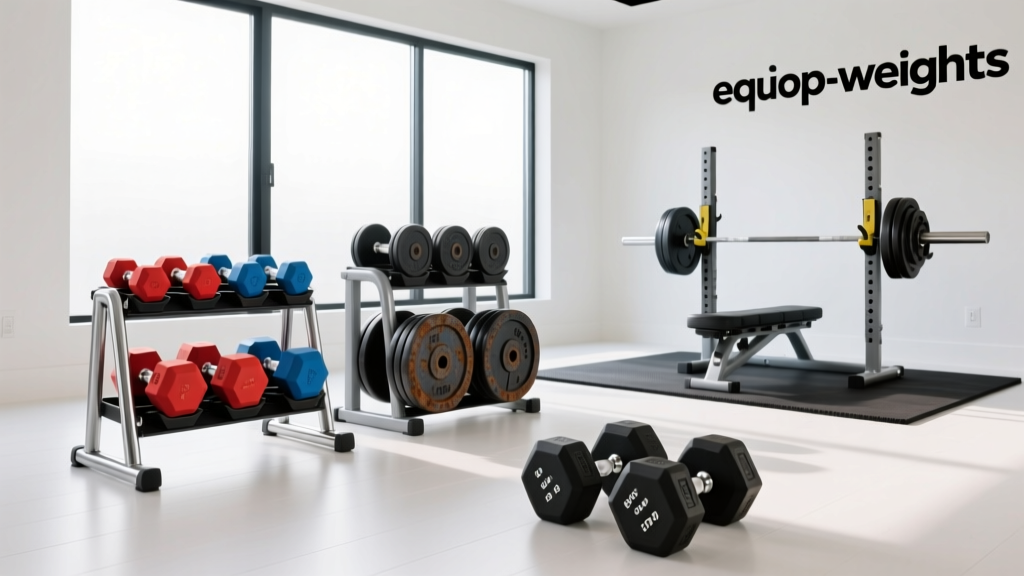
The most immediate differentiator between bumper and iron plates is the acquisition cost. When evaluating Rogue Fitness and other premium manufacturers, the price disparity becomes starkly apparent, especially when factoring in the sheer volume of rubber required for lower-weight bumpers.
| Plate Category | Avg. 2026 Cost Per LB | Cost for 260 LB Set | Shipping & Freight Factor |
|---|---|---|---|
| Virgin Rubber Bumpers (e.g., Rogue Echo) | $3.50 - $4.00 | $910 - $1,040 | High (Dimensional weight penalties) |
| Urethane Bumpers (e.g., Fringe Sport) | $5.50 - $6.50 | $1,430 - $1,690 | High |
| Machined Cast Iron (e.g., Rogue Deep Dish) | $2.00 - $2.50 | $520 - $650 | Moderate (Dense, lower volume) |
| Basic Enamel Iron (Economy Imports) | $1.20 - $1.60 | $312 - $416 | Low (Often available locally/used) |
The Value Takeaway: If your primary goal is simply to load a barbell for powerlifting (squats, bench, deadlifts), cast iron offers a nearly 50% savings over standard rubber bumpers. However, as BarBend notes in their equipment analysis, bumpers are a mandatory investment if your programming includes Olympic lifts (cleans, snatches) or high-volume CrossFit-style dropping, as iron will destroy both your barbells and your flooring upon impact.
Material Failure Modes: What Actually Breaks?
A budget breakdown is incomplete without analyzing the lifespan and depreciation of the equipment. Both materials fail, but they fail in entirely different ways.
Bumper Plate Degradation
Bumper plates are subject to kinetic stress. The most common failure mode in mid-tier rubber bumpers is not the rubber itself cracking, but the failure of the steel hub insert. Repeated drops from overhead cause the metal hook inside the rubber to warp or separate from the vulcanized rubber matrix. Once the steel insert pops out or becomes loose, the plate will wobble on the barbell sleeve, rendering it unsafe for heavy loading. Furthermore, cheaper recycled rubber bumpers will begin to flake, emit a persistent chemical odor, and degrade when exposed to UV light or extreme garage temperature fluctuations.
Cast Iron Vulnerabilities
Iron plates are virtually indestructible from a kinetic standpoint—you could drop a 45-pound iron plate from a second-story window, and it would survive. The enemy of iron is environmental. In high-humidity environments or unclimate-controlled garages, cast iron will oxidize rapidly. Surface rust compromises the aesthetic and can stain flooring and clothing. Additionally, the enamel paint used on economy iron plates will chip over time, exposing raw metal to moisture. Maintaining iron plates requires occasional wire-brushing and a light coat of 3-in-One oil or a clear rust-inhibitor spray.
Warning: The Drop Test Reality
Dropping machined iron plates on standard rubber horse-stall mats will eventually crack your concrete subfloor. The kinetic energy has nowhere to dissipate. If you plan on dropping weights from the shoulder or overhead position, iron plates are entirely off the table, regardless of the budget savings.
Spatial Economics: Barbell Sleeve Real Estate
An often-overlooked factor in the bumper vs. iron debate is physical thickness. A standard Olympic barbell sleeve is roughly 16.3 inches (415mm) long. Because rubber is significantly less dense than cast iron, bumper plates are much thicker.
- 45lb Bumper Plate Thickness: ~3.25 inches
- 45lb Machined Iron Plate Thickness: ~1.35 inches
If you are a stronger lifter attempting to load 400+ pounds onto a barbell, you will physically run out of sleeve space using 45lb bumper plates before you reach your target weight. You would be forced to purchase expensive, high-density urethane competition plates or switch to iron. For powerlifters and strongman athletes, iron is the only logical choice for max-effort loading.
Accessory Isolation: The Case for Iron and Micro-Loading
Not every exercise in your programming requires a 72-inch barbell loaded with crash-proof rubber. Consider the biomechanical demands of accessory isolation movements. When performing exercises like dumbbell lat raises, lateral raises, or tricep extensions, the goal is sustained muscular tension, strict form, and precise micro-loading—not dropping weights from overhead.
For these movements, investing in heavy, thick bumper plates is a waste of capital. Instead, the smart 2026 budget allocates funds toward fractional iron plates (e.g., 1.25lb, 2.5lb, and 5lb pairs) or high-quality adjustable dumbbells. When executing dumbbell lat raises to target the lateral and latissimus dorsi fibers, the ability to jump in 2.5-pound increments is vastly superior to trying to balance bulky 10-pound rubber bumpers on a short dumbbell handle. Iron fractional plates allow for seamless progressive overload on isolation lifts, ensuring your connective tissues and stabilizers can adapt without being forced into a massive 10-pound weight jump.
The 2026 Hybrid Purchasing Framework
Instead of choosing one material exclusively, the most financially sound strategy for a well-rounded home gym is a hybrid approach. Here is how to allocate a hypothetical $1,000 plate budget for optimal versatility:
- The Core Bumper Set ($550): Purchase a pair of 45lb, 25lb, and 15lb virgin rubber bumpers (approx. 170 lbs total). This covers your Olympic lifting, dynamic effort deadlifts, and any WODs requiring barbell cycling and dropping.
- The Iron Overload Set ($300): Purchase 200 lbs of machined cast iron (four 45lb plates, two 10lb plates). Use these to load the barbell heavy for strict strength work (squats, bench, heavy pulls) where the bar is lowered under control, not dropped.
- The Fractional & Accessory Fund ($150): Buy a set of steel fractional plates (0.5lb to 2.5lb) and invest the remainder in a pair of fixed hex dumbbells or micro-loadable dumbbell handles specifically for isolation work like dumbbell lat raises, curls, and lateral raises.
According to equipment reviewers at Garage Gym Reviews, this hybrid methodology prevents the premature wear-and-tear of expensive bumpers while ensuring you have the necessary density for heavy, controlled strength work.
Frequently Asked Questions
Can I mix bumper plates and iron plates on the same barbell?
Yes, but with a strict caveat: the bumper plate must always be placed on the sleeve first (closest to the barbell collar), followed by the iron plates. If you place iron plates on the inside and drop the bar, the iron will transfer the shock directly into the barbell sleeve and bearings, bypassing the shock-absorbing properties of the rubber bumper on the outside.
Are urethane bumpers worth the premium over rubber?
For commercial gyms or high-end garage setups, yes. Urethane is virtually odorless, highly resistant to UV degradation, and features a much higher dead-bounce reduction rating. However, at nearly $6.00 per pound in 2026, it is difficult to justify for a standard home gym budget when high-quality virgin rubber performs adequately for 80% of lifters.
How do I prevent my cast iron plates from rusting?
Store them indoors or in a climate-controlled space if possible. If they must live in a humid garage, wipe them down with a dry cloth after sweaty sessions and apply a light coat of mineral oil or a dedicated rust-preventative spray twice a year. Avoid using harsh chemical degreasers that strip the factory enamel coating.
More gear to consider
All reviews
Maintain Your Dumbbell or Kettlebell Rack for Longevity

Kettlebell Budget Breakdown & Incline Dumbbell Rowing Alternatives
What Muscles Does Dumbbell Row Work? Neoprene Dumbbells Compared

Power Rack vs Squat Stand: Space for the Bent Over Dumbbell Lateral Raise

Bar Care for Your At Home Workout Plan With Dumbbells: EZ vs Straight
