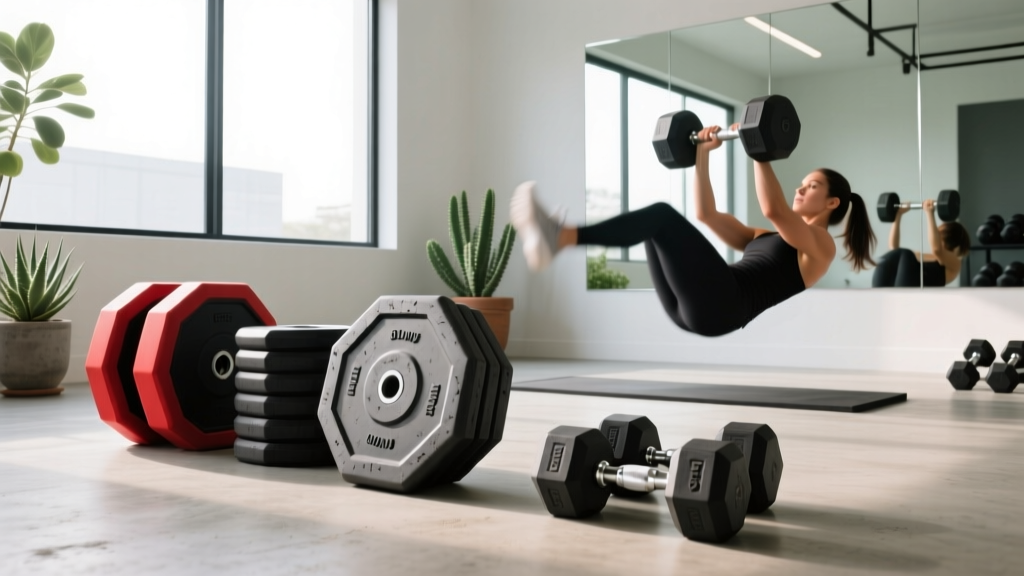
Bumper vs Iron Plates: Gear for Core Workouts at Home with Dumbbells
Compare bumper vs iron plates for home gyms. Learn maintenance tips, longevity hacks, and gear protection for core workouts at home with dumbbells.

Building a resilient home gym requires a holistic approach to equipment selection and maintenance. Whether you are loading up a barbell for heavy deadlifts or clearing floor space for core workouts at home with dumbbells, the gear you choose dictates the longevity of your setup. The debate between bumper plates and cast iron plates is often framed around noise and drop-safety, but from a maintenance and longevity perspective, the differences are profound. This guide breaks down the exact care protocols, failure modes, and real-world costs of both plate types, ensuring your home gym remains pristine and functional for decades.
The Home Gym Ecosystem: Flooring, Drops, and Core Training
When designing a dedicated space for heavy lifting and core workouts at home with dumbbells, flooring preservation is paramount. Dynamic core routines—such as weighted plank drags, heavy renegade rows, and dumbbell V-ups—require you to constantly place, drag, and occasionally drop weights onto the floor.
If your home gym ecosystem relies on bare cast iron plates and iron hex dumbbells, the cumulative impact transfers directly through your rubber matting into the concrete or wood subfloor. Over time, this micro-trauma cracks subfloors and tears matting. Bumper plates, by contrast, are engineered with specific durometer ratings (typically 70-75 for virgin rubber) to absorb and disperse kinetic energy. According to facility guidelines highlighted by the National Strength and Conditioning Association (NSCA), managing impact forces is the primary factor in extending the lifespan of both the training surface and the equipment itself.
Cast Iron Plates: The Longevity and Maintenance Playbook
Cast iron plates, such as the classic CAP Barbell Olympic Machined Plates or Rogue Machined Iron Plates, remain a staple due to their lower price point (averaging $1.20 to $1.80 per pound in 2026) and slim profile. However, their longevity is entirely dependent on proactive rust prevention.
Primary Failure Modes
- Oxidation (Rust): Iron reacts with ambient humidity and the chloride found in human sweat. During intense core workouts at home with dumbbells, sweat frequently drips onto nearby stored plates or the floor, accelerating oxidation.
- Paint Degradation: Cheaper enameled plates chip when stacked aggressively, exposing raw iron to the elements.
- Hub Seizing: Rust buildup inside the center ring can cause plates to seize onto the barbell sleeve, requiring forceful removal that damages the bar's knurling or zinc coating.
The Iron Restoration and Care Protocol
- Routine Wiping: After every session, wipe down plates with a microfiber cloth. If sweat is present, use a 50/50 mix of distilled water and white vinegar, followed by a dry cloth.
- Monthly Lubrication: Apply a light coat of 3-IN-ONE Multi-Purpose Oil or WD-40 Specialist Corrosion Inhibitor to the center hubs. Avoid silicone-based sprays, which attract dust and create a gritty paste that ruins barbell sleeves.
- Deep Rust Removal: For plates that have already oxidized, submerge them in a vat of white vinegar for 24-48 hours. Scrub with a wire-wheel attachment on a cordless drill, neutralize with a baking soda bath, and seal with a matte clear-coat enamel spray.
Bumper Plates: Preserving Rubber and Urethane
Bumper plates, like the highly rated Rogue Echo Bumper Plates or Fringe Sport Black Series, are virtually mandatory if your routine involves dropping weights from the overhead position or if you frequently drop heavy dumbbells during advanced core workouts at home with dumbbells. Priced between $2.50 and $4.00 per pound, they are a premium investment that requires specific environmental care.
Primary Failure Modes
- Dry Rot and Ozone Cracking: Exposure to direct UV light and ozone (often generated by certain air purifiers or dehumidifiers) breaks down the polymer chains in rubber, causing the edges to flake and tear.
- Hub Separation: Dropping plates that are lighter than 15 lbs (10 lbs specifically) creates a 'whip' effect that can bend the steel bar and rip the steel center hub out of the rubber casing.
- Chemical Degradation: Using harsh household cleaners (like bleach or ammonia-based glass cleaners) strips the natural oils from the rubber, leading to premature dry rot.
The Bumper Care Protocol
To maximize the lifespan of virgin rubber or urethane bumpers, cleanliness and environmental control are key. Wipe plates down weekly using a mild dish soap (like Dawn) diluted in warm water. For restoring the deep black finish and protecting against UV damage, apply 303 Aerospace Protectant once every six months. This acts as a synthetic sunscreen for your rubber gear. Furthermore, ensure your home gym is equipped with a dehumidifier set to maintain a 40-50% humidity level, which preserves both the rubber bumpers and your flooring.
Maintenance Matrix: Iron vs. Bumper
| Feature | Cast Iron Plates | Rubber/Urethane Bumpers |
|---|---|---|
| Primary Threat | Humidity, sweat, and oxidation | UV light, ozone, harsh chemicals |
| Cleaning Agent | Vinegar/Water, Mineral Oil | Mild Dish Soap, 303 Protectant |
| Floor Impact | High (Requires thick mats) | Low (Absorbs kinetic shock) |
| Core Workout Synergy | Poor (Sharp edges tear mats during drags) | Excellent (Safe for dynamic floor work) |
| Avg. Cost (2026) | $1.20 - $1.80 / lb | $2.50 - $4.00 / lb |
Dumbbell Synergy: Protecting Your Core Training Tools
The choice between iron and bumper plates indirectly affects the maintenance of your dumbbells, which are the primary drivers of your core workouts at home with dumbbells. If you opt for cast iron plates, the microscopic iron dust and rust particles that shed during loading and unloading will settle on the floor. When you place your dumbbells on this surface during plank drags or Russian twists, that abrasive dust grinds into the knurling of your dumbbell handles and degrades the rubber coating on hex dumbbells.
Expert Warning: Never store adjustable dumbbells (like Nuobell or PowerBlock) directly adjacent to bare cast iron plates. The ambient rust transfer can infiltrate the internal dial mechanisms of adjustable dumbbells, causing catastrophic failure and voiding the manufacturer's warranty.
To maintain your dumbbells for rigorous core training, wipe the handles with a nylon brush after every use to remove dead skin and chalk. If you are using urethane-coated dumbbells alongside urethane bumper plates, the maintenance protocol is identical: keep them out of direct sunlight and avoid ammonia-based cleaners. The American Council on Exercise (ACE) frequently emphasizes that the tactile grip of your equipment is vital for safety during high-sweat functional movements; a degraded, slick dumbbell handle during a weighted core exercise is a severe injury risk.
The Final Verdict for Home Gym Longevity
Ultimately, the decision between bumper and iron plates hinges on your training style and your willingness to perform routine maintenance. If your programming heavily features Olympic lifts, or if your floor space doubles as the primary zone for dynamic core workouts at home with dumbbells, virgin rubber bumper plates are the superior, low-maintenance investment. They protect your subfloor, absorb the shock of dropped weights, and eliminate the ongoing battle against rust.
However, if space constraints demand the ultra-slim profile of cast iron, you must commit to a strict monthly oiling and humidity-control protocol. By understanding the material science behind your gear and treating your home gym as an interconnected ecosystem, you ensure that every plate, barbell, and dumbbell survives the rigors of daily training for years to come. For more in-depth home gym flooring and equipment pairing strategies, consult the comprehensive testing data available at Garage Gym Reviews.
More gear to consider
All reviews
Cast Iron vs Competition Kettlebells & Dumbbell Curls Muscles Worked

Dumbbell Lunge Form Guide & Best Adjustable Dumbbells 2026

Best Adjustable Dumbbells for Pull Day Dumbbell Exercises (2026)
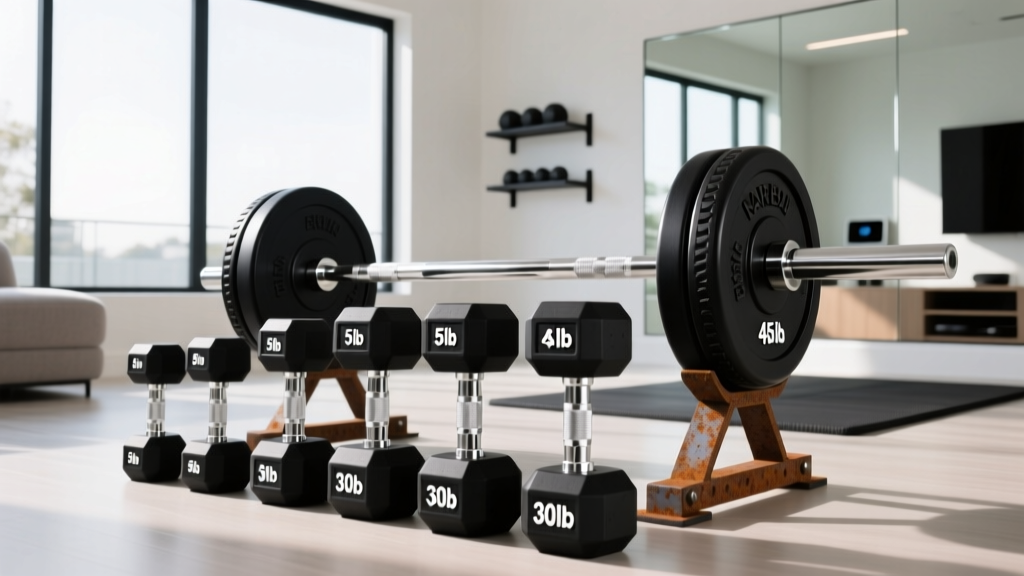
Best Dumbbell Workouts to Barbells: Knurl & Weight Buying Mistakes

Rear Flys with Dumbbells: Form Mistakes & Rack Setup Guide
