Bumper vs Iron Plate Care & Close-Grip Dumbbell Press Tips
Compare bumper plate vs iron plate longevity and maintenance. Plus, essential care tips to protect your gear during the close-grip dumbbell press.

Building a home gym is a significant financial investment, and as equipment prices continue to fluctuate in 2026, protecting your gear from premature wear is more critical than ever. Whether you are outfitting a commercial facility or a two-car garage, the debate between bumper plate vs iron plate longevity remains a cornerstone of equipment management. However, weight plates are only half the equation. The way you handle and maintain your dumbbells—especially during high-fatigue, high-impact movements like the close-grip dumbbell press—dictates the true lifespan of your free weight arsenal.
In this comprehensive maintenance guide, we break down the material science of weight plates, outline exact restoration protocols for cast iron and rubber, and provide specialized care strategies for your dumbbells to ensure your gear survives decades of heavy use.
The Longevity Matrix: Bumper vs. Iron Plates
Choosing between bumpers and iron isn't just about noise reduction or drop tolerance; it is fundamentally a choice between two entirely different maintenance paradigms. Rubber degrades via UV exposure and ozone cracking, while iron succumbs to oxidation and enamel spalling.
| Material Type | Avg. Cost (per lb) | Primary Failure Mode | Maintenance Level | Expected Lifespan |
|---|---|---|---|---|
| Virgin Rubber Bumper | $3.50 - $5.00 | Steel hub blowout / Edge tearing | Low | 10-15+ Years |
| Crumb Rubber Bumper | $2.00 - $3.00 | Flaking / Permanent deformation | Medium | 3-5 Years |
| Bare Cast Iron | $1.20 - $1.80 | Surface oxidation (Rust) | High | Lifetime (if oiled) |
| Enameled Cast Iron | $1.50 - $2.50 | Enamel chipping leading to rust | Medium | 10+ Years |
| Urethane-Coated Iron | $4.50 - $6.00 | Extreme blunt force trauma | Very Low | 20+ Years |
Bumper Plate Maintenance: Preventing Rubber Degradation
According to equipment analysts at Garage Gym Reviews, virgin rubber bumpers (like the Rogue HG 2.0 series) are the gold standard for Olympic lifting, but they are not immune to environmental decay. The vulcanization process makes rubber durable, but prolonged exposure to UV light and ozone causes the polymer chains to break down, resulting in dry rot and micro-fissures along the edges.
The Hub Blowout Phenomenon
The most catastrophic failure mode for bumper plates is the 'hub blowout.' This occurs when the steel or brass insert (the hub) separates from the rubber matrix during a heavy drop. Prevention Protocol:
- Never drop a barbell loaded only with 10lb or 15lb bumpers. The surface area is too small to absorb the kinetic energy, transferring the shock directly to the hub. Always pair light bumpers with heavier 45lb plates to distribute the impact.
- Inspect the insert annually. If you notice the brass bushing sliding out of the rubber, apply a high-strength marine-grade epoxy (like 3M Marine Adhesive Sealant 5200) around the seam to re-bond the metal to the rubber.
Cast Iron & Urethane: Battling Oxidation and Chipping
Iron plates, such as the classic York Legacy series or modern Rogue Machined plates, offer superior density and a traditional aesthetic. However, bare and enameled iron require strict humidity management. If your garage gym experiences humidity spikes above 60%, flash rust can appear on bare iron within 48 hours.
Step-by-Step Iron Plate Restoration
If you acquire vintage, rusted iron plates, do not simply paint over the oxidation. Follow this restoration framework:
- The Vinegar Soak: Submerge the plates in a vat of white vinegar for 24 to 48 hours. The acetic acid dissolves iron oxide without damaging the base metal.
- Mechanical Agitation: Remove the plates and scrub them with a stiff wire brush attached to an angle grinder. Wear a respirator to avoid inhaling rust particulate.
- Neutralization: Wipe the plates down with a baking soda and water solution to neutralize the remaining acid.
- Sealing: Coat the plates in 3-in-One oil or a dedicated rust-inhibitor like Boeshield T-9. For a permanent finish, apply two coats of satin clear enamel spray.
'Urethane-coated iron plates represent the pinnacle of low-maintenance longevity. While they command a premium price (often exceeding $5.00 per pound), the urethane shell is virtually impervious to moisture, UV light, and dropping, effectively eliminating the need for seasonal oiling or rust remediation.' — BarBend Equipment Analysis
Dumbbell Care and the Close-Grip Dumbbell Press
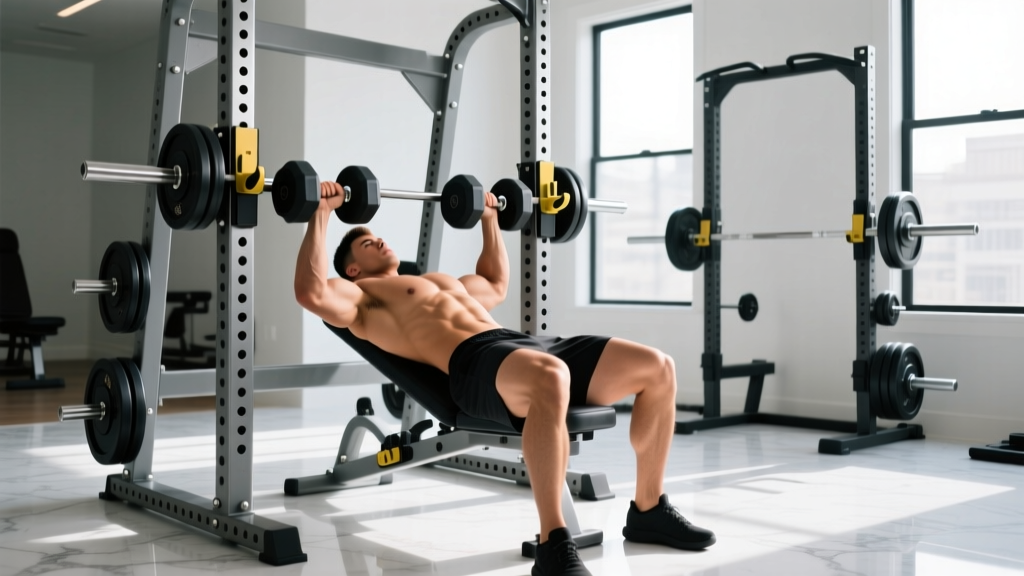
While plates take the brunt of the abuse during barbell drops, dumbbells suffer from a different type of mechanical stress. This is especially true during isolation and heavy pressing movements. When executing the close-grip dumbbell press, the medial edges of the dumbbells frequently collide at the top of the concentric phase. Over time, this repetitive 'clanking' degrades the knurling, chips rubber hex coatings, and can even bend the handles of cheaper commercial dumbbells.
Protecting Adjustable Dumbbells During Fatigue
The close-grip dumbbell press heavily targets the triceps and inner pectorals, often leading to localized muscular failure. When failure hits, the temptation to drop the dumbbells from chest height is immense. If you are using adjustable dumbbells (such as Nuobell 80s or PowerBlock Elites), dropping them will shatter the internal selector mechanisms and instantly void your warranty.
💡 Pro-Tip for the Close-Grip Dumbbell Press: To protect your adjustable dumbbells and your flooring, utilize a 'controlled eccentric' protocol. Lower the weights slowly to your chest, and when you reach failure, safely bridge your hips and guide the dumbbells down to your thighs before sitting up. Never let go of the handles from the top position.Knurling Maintenance for Fixed Dumbbells
For those using fixed steel or chrome dumbbells for the close-grip dumbbell press, the aggressive knurling required to maintain grip during heavy sets will accumulate dead skin, chalk, and sweat. This mixture creates a mildly acidic paste that pits chrome and rusts bare steel.
- Weekly: Scrub the knurling with a stiff nylon brush and a light spray of Simple Green.
- Monthly: Apply a light coat of mineral oil to the handles to displace moisture and prevent surface pitting.
Environmental Controls: The Hidden Factor in Gear Decay
No amount of manual maintenance will save your equipment if the environment is hostile. The single greatest enemy of both iron plates and rubber bumpers is the thermal and hygroscopic cycling typical of uninsulated garage gyms.
- For Iron: Invest in a commercial-grade dehumidifier. Keeping the ambient relative humidity (RH) below 50% will halt the electrochemical process of oxidation.
- For Rubber: Avoid storing bumper plates in direct sunlight or near ozone-generating equipment (like certain air purifiers or high-voltage treadmills). Store them vertically on a dedicated tree or horizontal rack to prevent the bottom plates from warping under continuous compressive load.
Summary: Your Monthly Maintenance Checklist
To ensure your free weights and racks survive the long haul, implement this 30-minute monthly routine:
- Wipe down all dumbbell handles (especially those used for the close-grip dumbbell press) with a nylon brush and mineral oil.
- Inspect bumper plate hubs for any signs of separation or wobble when spun on a barbell sleeve.
- Check enameled iron plates for micro-chips; touch up exposed iron with a dab of clear nail polish or Rust-Oleum to prevent creeping rust.
- Verify garage humidity levels and empty the dehumidifier reservoir if necessary.
By understanding the distinct material properties of your weight plates and respecting the mechanical limits of your dumbbells during demanding exercises, you can easily extend the life of your gym equipment by a decade or more. Treat your gear with precision, and it will support your strength journey for a lifetime.
More gear to consider
All reviews
Bumper vs Iron Plates: Beyond Dumbbell Chest Workouts for Women

Cast Iron vs Competition Kettlebell Care & Dumbbells for Arm Fat
Single Arm Dumbbell Triceps Extensions & Barbell Collar Clamp Guide

Barbell Collar Types: Safety for Dumbbell Circuit Exercises

Dumbbell Shoulder Workout Routine Stalled? Collar vs. Clamp Guide