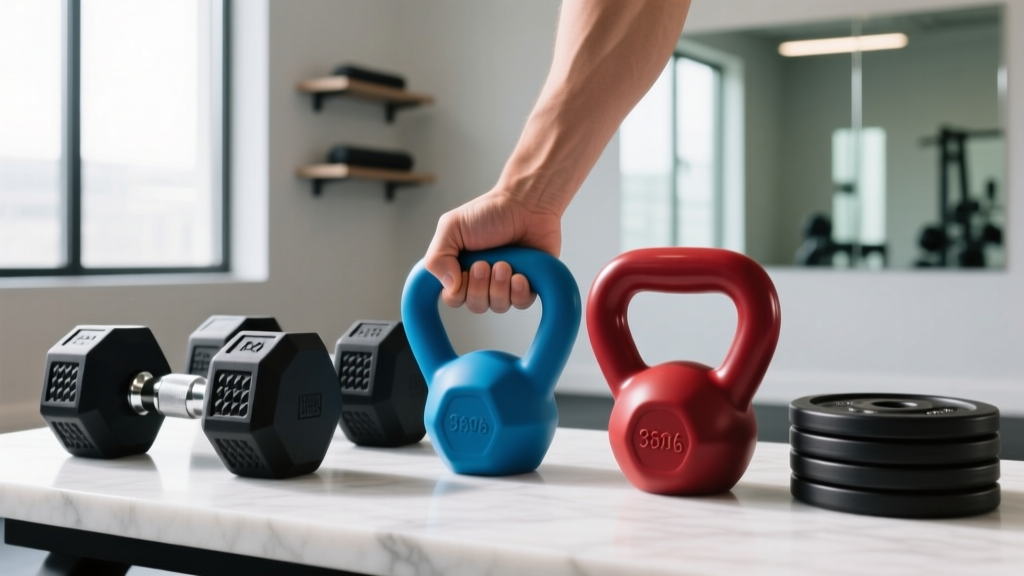
Rubber Hex vs Urethane for Dumbbell Shoulder Lifts: Value Analysis
Compare rubber hex vs urethane dumbbells for shoulder lifts. We break down cost-per-pound, grip ergonomics, and long-term value for your 2026 home gym.

The Hidden Cost of Shoulder Isolation: Why Dumbbell Coating Matters
When building a home gym in 2026, budget allocation is a constant battle. Most lifters focus heavily on their power racks and barbells, leaving the dumbbell purchase as an afterthought. However, if your programming relies heavily on dumbbell shoulder lifts—such as lateral raises, front raises, and rear delt flyes—the material of your dumbbells directly impacts both your biomechanics and your wallet.
The debate between rubber hex dumbbells and urethane dumbbells is usually framed around durability and aesthetics. But from a strict value analysis perspective, the conversation must include grip ergonomics, environmental degradation, and the 'cost-per-pound' reality over a five-year lifespan. In this guide, we break down the exact financial and functional differences between these two coatings, specifically tailored for the unique demands of shoulder hypertrophy training.
Biomechanics of Dumbbell Shoulder Lifts and Grip Demand
To understand why dumbbell material matters for shoulder training, we must look at the physics of the movement. According to ExRx.net's biomechanical breakdown of the lateral raise, the exercise involves a remarkably long moment arm. Because the weight is held at the end of an extended lever (your arm), the rotational force at the shoulder joint is massive, even with relatively light weights.
Consequently, shoulder isolation exercises require high repetitions (typically 12 to 20 reps) and strict form. This creates two specific equipment demands:
- Grip Fatigue: Holding a 20 lb dumbbell at arm's length for 45 seconds taxes the forearm flexors intensely. If the dumbbell handle lacks aggressive knurling, you will instinctually squeeze harder, accelerating grip fatigue and potentially limiting medial deltoid stimulation.
- Handle Ergonomics: Budget dumbbells often feature thick, poorly contoured handles with shallow knurling. Premium dumbbells offer tapered, moderately aggressive knurling that locks into the calluses of your hand without tearing the skin.
When evaluating rubber hex vs. urethane, you are not just buying a coating; you are buying the steel handle hidden inside it.
Rubber Hex Dumbbells: The Budget Baseline
Rubber hex dumbbells have been the undisputed king of budget home gyms for over a decade. Manufactured by bonding a layer of recycled or low-grade virgin rubber over a cast iron or steel core, they offer immediate financial relief for lifters on a tight budget.
The Financial Breakdown
As of early 2026, rubber hex dumbbells typically retail between $1.20 and $1.80 per pound. A standard pair of 20 lb dumbbells (ideal for intermediate lateral raises) will cost roughly $50 to $70. The hexagonal head design prevents rolling, making them safe for floor-based exercises like renegade rows or weighted sit-ups.
Failure Modes and Edge Cases
While the upfront cost is low, rubber hex dumbbells suffer from specific failure modes that degrade their value over time:
- UV and Ozone Degradation: If your home gym is in a garage or sunroom, exposure to UV light and ozone will cause the rubber to dry out, chalk, and eventually crack. Once the rubber splits, the iron core is exposed to moisture, leading to rust.
- The VOC Off-Gassing Problem: Cheap imported rubber dumbbells are notorious for off-gassing Volatile Organic Compounds (VOCs). The EPA guidelines on indoor air quality warn that prolonged exposure to VOCs in poorly ventilated spaces can cause respiratory irritation. In a small, enclosed home gym, a new set of rubber hex dumbbells can make the air smell like a tire shop for months.
- Handle Slippage: To keep costs low, manufacturers often use smooth or lightly knurled steel handles on rubber hex sets. During high-rep dumbbell shoulder lifts, sweaty hands will slip, forcing you to use lifting straps for lateral raises—a suboptimal workaround.
Urethane Dumbbells: The Premium Standard
Urethane (polyurethane) is a high-density elastomer that has become the gold standard for commercial gyms and premium home setups. It is significantly more expensive upfront but offers material properties that rubber simply cannot match.
The Financial Breakdown
Urethane dumbbells command a premium, typically ranging from $3.50 to $5.50 per pound. That same pair of 20 lb dumbbells will cost between $140 and $220. This steep entry price is the primary barrier for most home gym owners.
Performance Advantages for Shoulder Training
Because urethane is a premium product, manufacturers pair it with high-quality, chromed steel handles. These handles feature deep, mountainous knurling that provides exceptional grip security. When performing dumbbell shoulder lifts, this superior knurling allows you to relax your grip slightly, shifting the neurological focus away from your forearms and directly onto your deltoids. Furthermore, urethane is completely odorless, UV-resistant, and highly resistant to abrasion, meaning it will look and feel identical on day 1,000 as it did on day one.
Expert Insight: Urethane is denser than rubber. This means a 20 lb urethane dumbbell is physically more compact than a 20 lb rubber hex dumbbell. For exercises like chest-supported rear delt flyes, the smaller profile of urethane prevents the dumbbell heads from clanking together at the top of the movement, allowing for a fuller range of motion.Head-to-Head Value Matrix
To visualize the long-term value, we must look beyond the initial receipt. The following matrix compares the two materials across critical home gym metrics.
| Metric | Rubber Hex Dumbbells | Urethane Dumbbells |
|---|---|---|
| Cost Per Pound | $1.20 - $1.80 | $3.50 - $5.50 |
| Expected Lifespan | 3 - 7 Years (Environment dependent) | 15+ Years (Indestructible under normal use) |
| Handle Knurling | Shallow to Moderate (Slippery when sweaty) | Aggressive / Premium Chromed Steel |
| Odor / VOCs | High (Requires months of off-gassing) | None (Odorless out of the box) |
| Drop Resistance | Moderate (Rubber can tear from iron core) | High (Elastomer absorbs and disperses shock) |
| UV / Ozone Resistance | Poor (Will chalk and crack in garages) | Excellent (Impervious to sunlight) |
The 'Split-Set' Strategy: Maximizing Your 2026 Budget
If you are reading the American Council on Exercise (ACE) Exercise Library and planning a comprehensive hypertrophy block, you might assume you need to buy a full 5-100 lb set of dumbbells. Buying a full urethane set can easily exceed $3,000, while a full rubber set might cost around $800.
However, elite home gym builders utilize a Split-Set Strategy to optimize value without sacrificing performance where it matters most.
How the Split-Set Works
Shoulder isolation exercises (lateral raises, front raises, rear delt flyes) require light to moderate weights. Most intermediate lifters will use dumbbells in the 10 lb to 30 lb range for these movements. Conversely, heavy compound movements (goblet squats, heavy chest presses, single-arm rows) utilize the 40 lb to 100 lb range.
The Budget Hack: Purchase Urethane dumbbells exclusively for your light-weight range (5 lbs to 30 lbs). Purchase Rubber Hex dumbbells for your heavy-weight range (35 lbs and above).
Why This Yields the Highest ROI
- Ergonomics Where It Counts: You get the premium, aggressive knurling of urethane handles for your dumbbell shoulder lifts, eliminating grip fatigue during high-rep lateral raises. You also avoid the clanking of bulky rubber heads during rear delt flyes.
- Massive Cost Savings: Because the lower weight increments represent a fraction of the total weight volume, buying urethane for the 5-30 lb range will only cost about $400 - $600. You can then fill out the heavy end of your rack with rubber hex dumbbells for pennies on the dollar.
- Damage Mitigation: Heavy dumbbells (50+ lbs) are more likely to be dropped, tearing the rubber from the core. However, heavy rubber hex dumbbells are cheap to replace if one breaks. Meanwhile, your pristine urethane light weights are rarely dropped, ensuring they last a lifetime.
Final Verdict: Allocating Your Equipment Budget
When analyzing the budget breakdown for dumbbell shoulder lifts, the 'cheapest' option is rarely the most cost-effective over a five-year horizon. Rubber hex dumbbells remain a viable, budget-friendly tool for heavy, low-rep compound movements, provided your gym is climate-controlled to prevent rubber degradation.
However, for the precise, high-rep, grip-demanding nature of dumbbell shoulder lifts, urethane is the undisputed champion. The superior handle knurling, compact head profile, and zero-VOC footprint justify the higher cost-per-pound. By adopting the Split-Set strategy, you can equip your home gym with commercial-grade ergonomics for your shoulder isolation work, while keeping your overall equipment budget firmly under control.
More gear to consider
All reviews
Olympic vs Standard Plates: Gear for the Dumbbell Forward Lunge

Olympic vs Standard Plates: Guide & Incline Dumbbell Press Form

Incline Dumbbell Shrug: Space-Saving Loadable Dumbbell Guide
Beyond Chest and Shoulder Exercises with Dumbbells: Kettlebell Guide

Olympic vs Standard Plates for Dumbbell Back Workouts at Home
