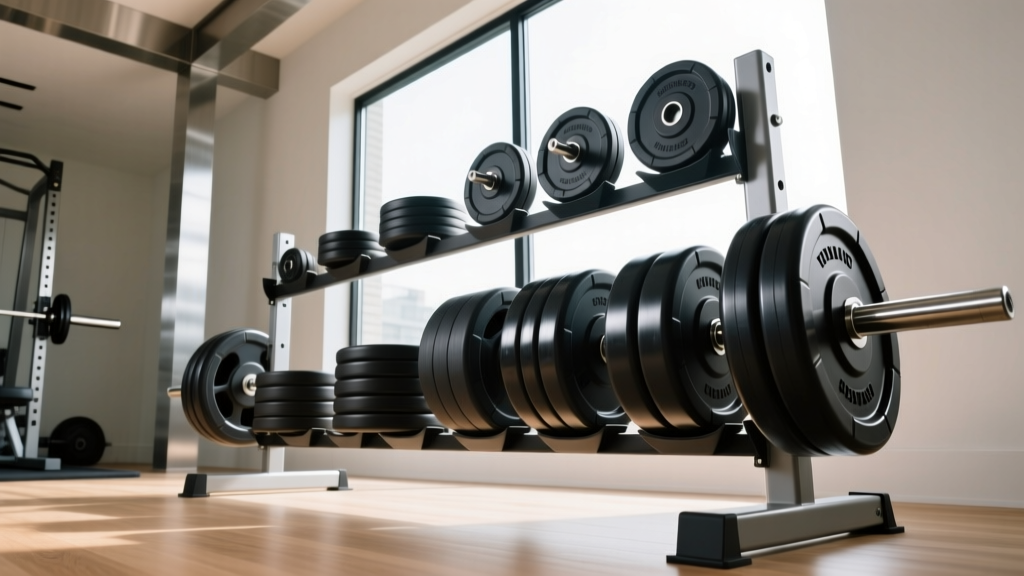
Bumper vs Iron Plate Care: Gym Setup for Seated Dumbbell Presses
Compare bumper vs iron plate maintenance, lifespan, and storage. Learn how to protect your gym floor and gear during heavy seated dumbbell presses.

The Core Dilemma: Bumper vs. Cast Iron Plate Longevity
When outfitting a home or commercial gym in 2026, the debate between bumper plates and cast iron plates extends far beyond aesthetics and drop-test capabilities. It fundamentally comes down to material science, environmental resilience, and long-term maintenance. Cast iron plates, typically coated in baked enamel or machined steel, offer unparalleled density and a classic feel. However, they are highly susceptible to oxidation. In environments where relative humidity consistently exceeds 60%, untreated cast iron can develop surface rust within four to six weeks.
Bumper plates, constructed from virgin rubber, crumb rubber, or urethane, solve the dropping problem but introduce entirely different failure modes. Cheap crumb rubber bumpers are notorious for 'dry rot,' shedding black dust, and delaminating from their steel center hubs. Virgin rubber (like the Rogue Echo series) resists tearing but can suffer from ozone cracking if exposed to direct UV sunlight or stored in unventilated, high-heat garages. Understanding these distinct degradation pathways is the first step in maximizing the lifespan of your free weight investment.
Environmental Threats and Preventative Maintenance
To maintain your plates, you must treat them according to their material composition. According to BarBend's guide on plate restoration, using harsh chemical degreasers on rubber bumpers is a critical error. Products containing heavy solvents strip the plasticizers from the rubber, accelerating the drying and cracking process.
- For Cast Iron: Wipe down with a dry microfiber cloth after use to remove sweat and chalk. Every three months, apply a light coat of WD-40 Specialist Corrosion Inhibitor or 3-IN-ONE oil to prevent flash rusting, especially on the raised lettering and edges where paint is thinnest.
- For Rubber Bumpers: Clean with a mild dish soap and water solution. To restore the matte finish and protect against UV damage, apply a coat of 303 Aerospace Protectant bi-annually. This acts as a sunscreen for your rubber plates.
- For Urethane: Urethane is virtually indestructible regarding moisture and UV light, requiring only a simple wipe-down with a damp cloth. However, it is prone to surface scuffing, which can be buffed out with a melamine sponge.
The 'Seated Dumbbell Press' Drop Zone Factor
When mapping out your gym floor plan, consider the spatial overlap between your barbell zone and your adjustable bench area. If you regularly perform heavy seated dumbbell presses, you likely drop the dumbbells at the end of a grueling set to protect your rotator cuffs and avoid awkward lowering mechanics. This creates a high-impact drop zone.
If your plate tree is positioned directly adjacent to this drop zone, stray iron plates can suffer chipped paint from dumbbell impacts, exposing raw metal to sweat and humidity. Meanwhile, bumper plates resting horizontally on the floor can suffer severe edge-cuts from the knurled steel handles of falling dumbbells. Pro Tip: Always position your plate storage at least three feet away from your adjustable bench drop zone, and utilize 3/4-inch thick vulcanized horse stall mats specifically under the seated press area to absorb the kinetic energy before it reverberates into your barbell plate storage.
Storage Solutions: Preventing Warping and Hub Damage
How you store your plates when they are not on the barbell dictates their structural integrity over a 10-year lifespan. A common misconception is that bumper plates can be stored flat on a concrete floor indefinitely. In reality, the weight of stacked bumpers compresses the bottom plates, leading to an oval deformation that makes them wobble when spun on a barbell sleeve.
According to Garage Gym Reviews' comprehensive plate comparison, vertical storage on a dedicated plate tree is mandatory for bumpers to prevent hub separation. The steel insert in a bumper plate is held in place by friction and rubber molding; storing them vertically on a tree distributes the gravitational load evenly across the steel hub rather than pulling it downward through the rubber matrix. Cast iron plates are far more forgiving and can be stacked flat on a dolly or stored vertically without risk of deformation, though vertical storage prevents moisture trapping between stacked plates.
Comparative Lifespan and Cost Matrix (2026 Market Data)
The initial cost per pound is only one metric; the 'cost per year of usable life' provides a clearer picture of value. Below is a breakdown of premium options currently dominating the market.
| Plate Type & Model | Avg. Price / lb (2026) | Expected Lifespan | Primary Failure Mode | Maintenance Frequency |
|---|---|---|---|---|
| REP Fitness Deep Dish Cast Iron | $1.90 - $2.30 | Lifetime (50+ years) | Surface rust, chipped enamel | Quarterly oiling |
| Rogue Echo Virgin Rubber Bumper | $3.80 - $4.50 | 10 - 15 years | Rubber tearing, hub pop-out | Bi-annual UV protectant |
| Titan Fitness Urethane Grip Plates | $4.50 - $5.50 | Lifetime (30+ years) | Cosmetic scuffing only | Monthly wipe-down |
Step-by-Step Restoration Guide for Neglected Plates
If you have acquired a used set of plates or neglected your current arsenal, restoration is highly achievable. Here is the exact protocol for bringing pitted cast iron back to life:
- Chemical Stripping: Submerge the rusty iron plates in a heavy-duty plastic tub filled with white vinegar for 24 to 48 hours. The acetic acid will dissolve the iron oxide without harming the base metal.
- Mechanical Agitation: Remove the plates and immediately scrub them with a stiff brass wire brush attached to an angle grinder or drill. Brass is softer than steel, meaning it will remove the rust scale without gouging the cast iron.
- Neutralization: Wipe the plates down with a baking soda and water solution to neutralize the remaining acid. If you skip this step, flash rust will appear within hours.
- Sealing: Apply two coats of Rust-Oleum Cold Galvanizing Compound or a high-heat engine enamel. This provides a durable, moisture-resistant barrier that mimics the original factory baked enamel.
Expert Verdict: Which Should Anchor Your Gym Build?
The choice between bumper and iron plates ultimately hinges on your training modalities and spatial layout. If your programming heavily features Olympic weightlifting, CrossFit, or high-rep barbell drops, virgin rubber bumpers are non-negotiable to protect your barbell sleeves and flooring. However, if your routine is rooted in powerlifting, bodybuilding, and controlled eccentric movements—including transitioning to an adjustable bench for strict seated dumbbell presses—cast iron or urethane plates offer superior longevity, denser profiles for easier loading, and a fraction of the maintenance headaches associated with degrading rubber.
By respecting the material limits of your plates, optimizing your drop zones, and adhering to a strict seasonal maintenance schedule, your free weight collection will easily outlast your fitness journey.
More gear to consider
All reviews
Barbell Collar and Clamp Types Comparison: Securing Heavy Shrugs Without a Dumbbell Shrug Machine
Troubleshooting Miniature Dumbbells: Neoprene Home Use Mistakes

Barbell Collar Clamp Guide: Beyond Dumbbell Chest Workouts No Bench
Olympic Barbell Weight & Knurling Guide: Plus Dumbbell Organizer Setups

Beyond the Dumbbell Hang Clean: Cast Iron vs Competition Kettlebells