Beyond a Basic Dumbbell Exercise Routine: EZ vs Straight Bar
Upgrade from a basic dumbbell exercise routine with our expert EZ curl bar vs straight bar comparison, featuring 2026 top picks and biomechanics data.

Every lifter starts with a basic dumbbell exercise routine. Alternating dumbbell curls and overhead triceps extensions are foundational for building mind-muscle connection and correcting left-to-right strength imbalances. However, as you progress into intermediate and advanced programming, dumbbells present a stabilization bottleneck. When you are curling 60-pound dumbbells, your rotator cuff and forearm stabilizers often fatigue before your biceps brachii reach true mechanical failure.
To break through this plateau, you need the absolute stability of a barbell. But this brings up a classic gym debate: should you use an EZ curl bar or a straight bar? In this 2026 hands-on review, we break down the biomechanics, joint health implications, and the best gear on the market to help you upgrade your arm training.
The Biomechanical Ceiling of Dumbbells
A standard basic dumbbell exercise routine relies heavily on unilateral stabilization. While excellent for hypertrophy in the early stages, it limits absolute load. According to biomechanical analyses featured in BarBend, transitioning to a fixed barbell allows lifters to increase their raw mechanical output by 15% to 22% on isolation movements. The barbell removes the need to stabilize two independent vectors of force, allowing the central nervous system to direct maximum motor unit recruitment directly to the elbow flexors.
Wrist Angles, Carrying Angles, and Joint Health
The primary difference between an EZ curl bar and a straight bar is not the muscle worked, but the angle of the wrist and forearm during the movement.
Expert Insight: The Carrying AngleHuman arms do not hang perfectly straight. When your arms are at your sides with palms facing forward, your forearms angle slightly outward. This is known as the 'carrying angle.' A straight bar forces 180 degrees of supination, which can violently oppose your natural carrying angle, placing severe valgus stress on the medial elbow and wrist joints.
The Straight Bar: Maximum Supination, Maximum Risk
A straight bar forces the biceps brachii into full supination, which theoretically maximizes activation of the short head. However, for lifters with a pronounced carrying angle or limited wrist mobility, this forced external rotation can lead to medial epicondylitis (golfer's elbow). If you experience sharp pain on the inside of your elbow during heavy straight-bar curls, your skeletal structure is likely rejecting the 180-degree supination requirement.
The EZ Curl Bar: Ergonomic Angles and Brachialis Focus
The EZ bar features angled bends—typically at 45-degree and 30-degree inclines. By gripping the inner or outer bends, you allow the wrist to sit in a semi-supinated or neutral position. This slight pronation shifts a portion of the load to the brachialis and brachioradialis, muscles that sit beneath and alongside the biceps. Developing the brachialis actually pushes the biceps peak upward, creating the illusion of a larger arm. For a comprehensive look at muscle activation vectors, the ExRx EZ Bar Curl directory provides excellent anatomical mapping of how grip width alters flexor recruitment.
2026 Hands-On Gear Reviews: Top Picks for Arm Day
Not all bars are created equal. Cheap import bars feature sleeves that seize up under load, transferring dangerous rotational torque directly into your wrists during the eccentric phase. Here are our top tested picks for 2026.
1. Rogue Fitness EZ Curl Bar (Cerakote)
Price: $135.00 | Shaft: 28mm | Weight: 15 lbs
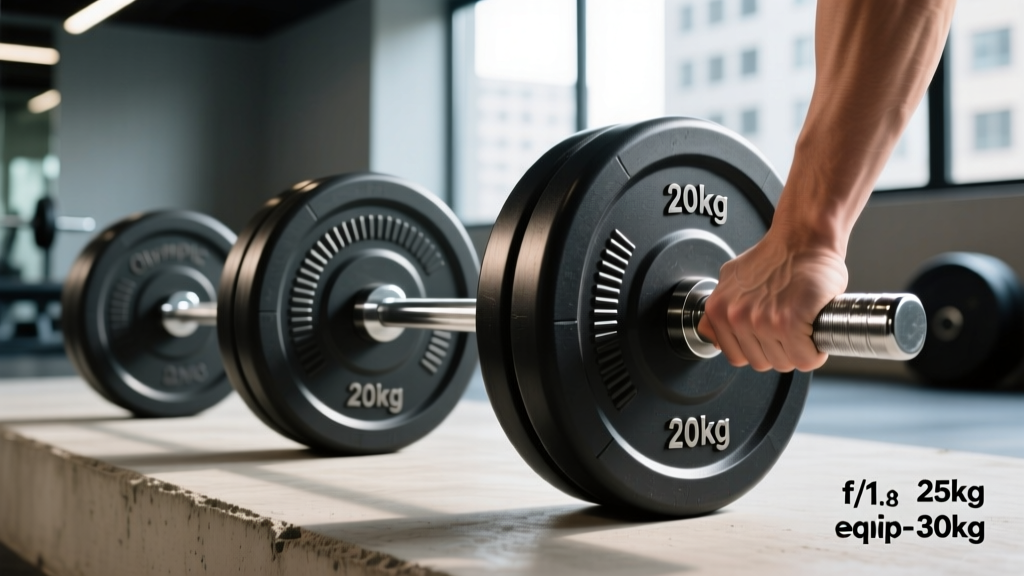
The Rogue EZ Curl Bar remains the gold standard for commercial and high-end home gyms. The 28mm shaft diameter is noticeably thinner than standard Olympic bars, reducing forearm fatigue during high-rep triceps skull crushers. The Cerakote finish provides exceptional corrosion resistance, even in humid garage gyms. Most importantly, Rogue uses high-quality bronze bushings in the sleeves. This ensures the sleeves spin independently of the shaft, meaning the rotational inertia of the weight plates won't twist your wrists at the bottom of a heavy curl.
2. Titan Fitness 4-Foot Straight Barbell
Price: $89.99 | Shaft: 28.5mm | Weight: 18 lbs
If you prefer the strict supination of a straight bar for movements like reverse curls or close-grip bench presses, a standard 7-foot Olympic bar is too unwieldy. The Titan Fitness 4-foot straight bar is perfectly balanced for isolation work. The knurling is moderately aggressive—enough to grip chalked hands during heavy eccentric negatives, but not so sharp that it tears your calluses during high-volume triceps pushdowns.
3. CAP Barbell Super Curl Bar (Budget Pick)
Price: $49.99 | Shaft: 30mm | Weight: 12 lbs
For lifters just graduating from a basic dumbbell exercise routine and working with a strict budget, the CAP Super Curl Bar is a viable entry point. The 30mm shaft is a bit thick, which can tax the grip, and the bushings are basic composite rather than bronze. However, for loads under 80 pounds, it provides the necessary ergonomic angles to protect the wrists without breaking the bank.
Head-to-Head Comparison Matrix
| Feature | EZ Curl Bar (Rogue) | Straight Bar (Titan 4ft) |
|---|---|---|
| Primary Muscle Focus | Brachialis, Biceps (Long Head) | Biceps Brachii (Short Head), Forearms |
| Wrist Strain Level | Low (Ergonomic Angles) | High (Forced Supination) |
| Triceps Applicability | Excellent (Skull Crushers) | Good (Close Grip Press, Pushdowns) |
| Max Load Capacity | 150 lbs (Sleeve Length Limited) | 250+ lbs |
| Ideal Lift Profile | Hypertrophy (8-15 reps) | Strength/Hypertrophy (5-10 reps) |
Programming Framework: Integrating Both Into Your Split
You do not need to choose just one. The most effective arm programs in 2026 utilize periodization, rotating between the straight bar and the EZ bar to manage joint fatigue while maximizing mechanical tension.
- Weeks 1-3 (Heavy Tension Phase): Utilize the Straight Bar for strict, heavy standing curls in the 5-8 rep range. The straight bar's demand on the CNS and biceps peak activation makes it ideal for lower-rep strength work. Keep the weight moderate to avoid swinging.
- Weeks 4-6 (Metabolic Stress Phase): Switch to the EZ Curl Bar. The ergonomic grips allow you to safely push into the 10-15 rep range, utilizing advanced techniques like drop sets and rest-pause sets without your wrists giving out before your biceps.
- Triceps Integration: Use the EZ bar for lying triceps extensions (skull crushers) to spare the elbow tendons, but use the straight bar for close-grip bench presses to overload the triceps with heavy compound tension.
Common Failure Modes to Watch For
When upgrading from a basic dumbbell exercise routine to barbell isolation work, lifters frequently encounter two failure modes:
- Ego Lifting the Straight Bar: Using a 7-foot Olympic barbell and utilizing massive hip extension (cheating) to move the weight. This completely removes tension from the biceps and places sheer force on the lumbar spine. Stick to specialized 4-foot bars or strict wall-facing curls.
- Ignoring Sleeve Rotation: If you buy a cheap, solid-cast EZ bar where the sleeves do not spin, the momentum of the weight plates will forcefully pronate or supinate your wrists at the bottom of the movement. Always test the sleeve spin before purchasing.
The Expert Verdict
If you are escaping the confines of a basic dumbbell exercise routine and can only buy one piece of equipment, buy the EZ Curl Bar. The biomechanical reality is that the vast majority of lifters do not possess the wrist mobility or the favorable carrying angle required to heavy-load a straight bar safely over a multi-year training cycle. The EZ bar provides 95% of the biceps activation with a fraction of the joint degradation, making it the superior long-term investment for arm hypertrophy.
Frequently Asked Questions
Can I build big arms using only dumbbells?
Yes, but progressing past 60-70 lb dumbbells requires immense stabilization. A barbell allows you to safely overload the muscle tissue without being limited by grip or rotator cuff fatigue.
Is the EZ bar better for triceps than the straight bar?
For overhead extensions and skull crushers, absolutely. The slight angle of the EZ bar reduces the sheer stress on the triceps tendon insertion at the elbow, preventing the dreaded 'lifter's elbow' tendinopathy.
More gear to consider
All reviews
Reverse Grip Dumbbell Curl: Rubber Hex vs Urethane Review

EZ Curl Bar vs Straight Bar & Over the Head Dumbbell 2026 Trends

Cast Iron vs Competition Kettlebells & Seated Deadlift with Dumbbells

Top Loadable Dumbbells for Dumbbell Bench Back Exercises (2026)
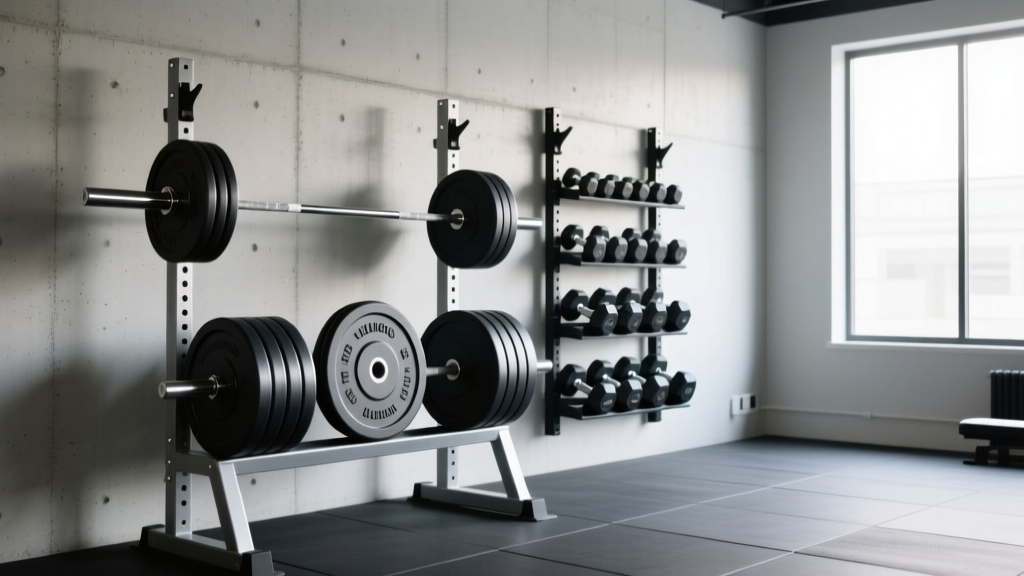
Olympic vs Standard Plates: Setup & Dumbbell Wall Rack Guide