
Bumper vs Iron Plates: Care Tips Beyond Planet Fitness Dumbbells
Transitioning from commercial fixed weights? Compare bumper vs iron plate maintenance, longevity tips, and care routines for your home gym setup.

The Commercial Baseline: Why Fixed Weights Spoil You
If your lifting journey began with commercial gym circuits, you are likely intimately familiar with Planet Fitness dumbbells—those fixed-weight, urethane-coated hex dumbbells that typically cap out at 75 lbs. They are the epitome of zero-maintenance lifting. You drop them, sweat on them, and ignore them, and they survive for a decade. Commercial gyms favor high-density urethane (often supplied by brands like Torque or Escape Fitness) because it resists UV degradation, ozone cracking, and physical abrasion far better than standard rubber.
However, when you graduate to a home garage gym and invest in a barbell setup, the modular world of bumper and iron plates demands a completely different maintenance mindset. Unlike the indestructible nature of commercial fixed dumbbells, modular plates are subject to oxidation, rubber degradation, and hub blowouts. Understanding the longevity profiles of bumper versus iron plates is critical to protecting your investment and ensuring your home gym equipment lasts a lifetime.
Cast Iron & Machined Steel: Combating Oxidation
Iron plates are the traditionalist's choice. They are dense, affordable (often ranging from $1.20 to $2.00 per pound), and offer a classic aesthetic. However, whether you are using raw cast iron plates or precision-machined steel plates (like the Rogue Machined Olympic Plates), your primary enemy is oxidation.
Most budget-friendly cast iron plates are coated with a thin layer of zinc or baked enamel. Over time, humidity, sweat, and friction from barbell sleeves will wear this coating down. Once the bare iron is exposed to oxygen and moisture, rust forms rapidly. Machined steel plates, while more dimensionally accurate, are equally susceptible if their zinc plating (typically measured between 30 to 50 microns) is compromised.
The Rust Removal and Prevention Protocol
If you acquire vintage iron plates or notice orange spotting on your current set, follow this restoration workflow:
- Mechanical Removal: Use a brass wire brush attached to a power drill to strip flaking paint and surface rust. Brass is softer than steel and iron, meaning it will remove the rust without gouging the base metal.
- Chemical Chelation: For deep pitting, submerge the plates in a commercial rust remover like Evapo-Rust, or use a 50/50 white vinegar and water bath for 24 hours. According to equipment restoration experts at BarBend, neutralizing the acid bath with baking soda is a critical, often-missed step to prevent flash-rusting.
- Sealing: Wipe the plates down with 3-IN-ONE oil or a light mineral oil.
Bumper Plates: Rubber Degradation and Hub Blowouts
Bumper plates are essential for Olympic weightlifting and high-impact CrossFit workouts. Priced higher than iron (typically $2.50 to $4.00+ per pound), they are designed to be dropped. Yet, they suffer from entirely different failure modes than iron plates.
The lifespan of a bumper plate depends heavily on its rubber compound. Virgin rubber (used in premium competition plates) is dense, has minimal bounce, and resists tearing. Crumb rubber (like the popular Hi-Temp plates) is made from recycled tires; it is highly durable but prone to 'chalking' and shedding black dust over time. According to comprehensive testing by Garage Gym Reviews, crumb rubber also has a higher 'dead bounce' variance depending on ambient temperature, becoming brittle in freezing garages and overly soft in extreme heat.
The 'Hooking' Failure Mode
The most common cause of premature bumper plate death is not dropping them—it is how lifters pick them up. 'Hooking' involves sliding the barbell sleeve through the plate's center hole while the plate is flat on the floor, then leveraging the bar up to lift the plate. This places immense lateral shear stress on the steel insert and the surrounding rubber hub. Over time, this causes the brass or steel bushing to blow out, rendering the plate loose on the barbell sleeve and potentially damaging your bar's zinc coating.
'A bumper plate is only as strong as its center hub. Treat the insert with respect, and always lift the plate onto the barbell rather than prying the barbell into the plate.' — Commercial Gym Equipment Maintenance Guidelines
Maintenance Matrix: Iron vs. Bumper vs. Urethane
To contextualize your home gym choices against the commercial equipment you may be used to, review the maintenance matrix below:
| Material Type | Primary Enemy | Routine Care Required | Expected Lifespan |
|---|---|---|---|
| Cast Iron / Steel | Oxidation (Rust), Zinc Flaking | Monthly oiling, humidity control | Generational (50+ years) |
| Virgin Rubber Bumper | UV/Ozone Cracking, Hub Blowout | Mild soap wash, indoor storage | 10 - 15 Years |
| Crumb Rubber Bumper | Shedding, Temperature Warping | Vacuuming dust, temp regulation | 5 - 10 Years |
| Urethane (Commercial) | Extreme Blunt Force Trauma | Wipe down with disinfectant | 20+ Years (Indoor) |
Barbell Sleeve Synergy: The Hidden Maintenance Factor
When comparing bumper and iron plates, you must also consider how they interact with your barbell sleeves. Commercial gyms using fixed Planet Fitness dumbbells don't have to worry about barbell sleeve wear, but home gym owners do.
Raw cast iron plates have rough, un-machined center holes. When loaded onto a barbell with brass bushings, the microscopic iron burrs act like sandpaper, slowly grinding away the brass and creating black metallic sludge on your sleeves. Machined steel plates and precision bumper plates feature smooth, calibrated steel inserts that are gentle on barbell sleeves.
Pro-Tip: If you insist on using budget raw cast iron plates, invest in a set of plastic or aluminum change plates to act as a 'buffer' between the iron plate and the barbell collar, or routinely clean your barbell sleeves with a nylon brush and synthetic gun oil to prevent abrasive buildup.
Final Verdict: Choosing Your Maintenance Path
Transitioning from the zero-maintenance environment of commercial fixed weights to a modular home gym requires a shift in habits. If you want the closest experience to commercial urethane durability but need modular plates, look into Urethane Bumper Plates—though be prepared to pay a premium of $5+ per pound.
For most home gym owners, virgin rubber bumpers offer the best balance of drop-safety and longevity, provided they are kept out of direct sunlight and handled correctly. If your focus is strictly powerlifting and you don't drop your weights, machined steel or zinc-coated iron plates are a generational investment, requiring only a quick wipe-down with mineral oil every few months to keep oxidation at bay. By understanding these material science nuances, you can build a free weight arsenal that outlasts your lifting career.
For more insights on commercial equipment upkeep and material care, refer to the Escape Fitness Equipment Maintenance Guide.
More gear to consider
All reviews
Bumper Plate vs Iron Plate: Best Gear for Exercise Using Dumbbells
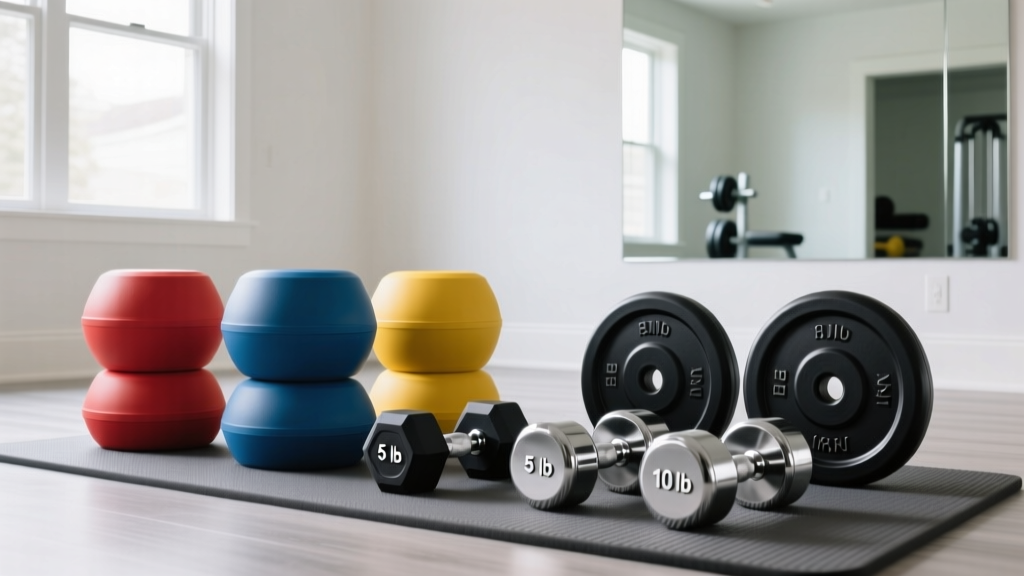
Bumper vs Iron Plates: Setup for Beginner Dumbbell Exercises

Rogue vs. Rep: Weight, Knurling & Incline Dumbbell Press Standards

Power Rack vs Squat Rack: Setup for Standing Dumbbell Chest Exercise

EZ Curl Bar vs Straight Bar Care and One Dumbbell Front Raises Tips
