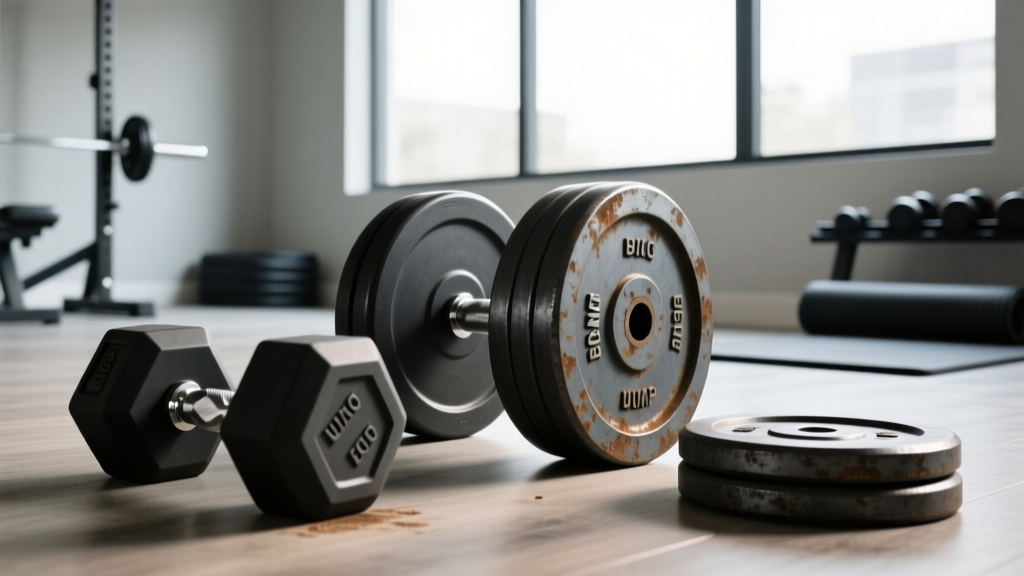
Bumper vs Iron Plates: Care & Longevity for Leg Day with Dumbbells
Compare bumper vs iron plates for home gym longevity. Learn maintenance routines, rust prevention, and floor protection for heavy lifts and dumbbell leg days.

The Home Gym Lower-Body Dilemma: Rubber vs. Cast Iron
Outfitting a home gym requires balancing upfront costs with long-term equipment longevity. When building out your free weight collection, the debate between bumper plates and cast iron plates is a cornerstone decision. While much of the discourse focuses on Olympic weightlifting drops, the reality of daily training tells a different story. From loading up a barbell for heavy deadlifts to managing the collateral impact of intense lower-body sessions, your choice of weight plates dictates your maintenance routine, floor preservation, and storage solutions.
In this comprehensive guide, we break down the exact failure modes, maintenance protocols, and longevity expectations for both bumper and iron plates. Whether you are dropping a loaded barbell or managing the heavy footprint of a brutal lower-body session, understanding how to care for your iron and rubber investments will save you hundreds of dollars in replacement costs over the next decade.
Quick Decision Matrix:- Choose Bumper Plates if: You drop weights from overhead, train in a temperature-fluctuating garage, or want to minimize acoustic noise and floor vibration.
- Choose Cast Iron Plates if: You are on a strict budget, need maximum weight density on the barbell sleeve for heavy squats/deadlifts, and strictly control your gym's humidity.
Bumper Plates: Longevity, Maintenance, and Drop Tolerances
Bumper plates are constructed from dense rubber with a steel or brass insert hub. They are designed to absorb kinetic energy, protecting both your flooring and your barbell sleeves. However, rubber is an organic polymer that degrades under specific environmental stressors. According to extensive equipment testing by BarBend, the lifespan of a bumper plate is heavily dictated by its rubber compound—virgin rubber outlasts recycled crumb rubber by years when subjected to repetitive impacts.
Common Failure Modes in Rubber Plates
The most frequent point of failure in budget bumper plates (typically priced between $1.50 and $2.50 per pound) is hub separation. When a plate is dropped off-center or stored improperly on thin pegs, the metal insert slowly tears through the surrounding rubber matrix. Once the hub is compromised, the plate becomes a safety hazard, as it can slide off the barbell sleeve mid-lift.
Another prevalent issue is rubber dry-rot and cracking. Exposure to UV light and ozone breaks down the chemical bonds in the rubber, leading to surface flaking and a permanent loss of shock-absorbing density. Premium virgin rubber plates, like the Rogue HG 2.0 Bumpers (retailing around $3.75 to $4.50 per pound), are vulcanized to resist this degradation, but they still require basic environmental care.
The Bumper Plate Maintenance Protocol
- Cleaning: Wipe down plates monthly with a mild dish soap and water solution. Avoid harsh chemical degreasers or bleach-based cleaners, which strip the natural oils from the rubber and accelerate dry-rot.
- UV Protection: If your gym is in a garage with windows, keep bumper plates out of direct sunlight. UV radiation is the number one enemy of rubber longevity.
- Hub Inspection: Every six months, inspect the steel insert ring. If you notice the rubber pulling away from the metal edge, rotate the plate out of your heavy-drop rotation to prevent total failure.
Cast Iron Plates: Rust Prevention and Hub Care
Cast iron plates are the traditionalists' choice. They are incredibly dense, allowing you to load over 500 pounds onto a standard barbell sleeve without running out of space. Models like the York Legacy Cast Iron Plates or Rogue Deep Dish plates ($1.75 to $2.50 per pound) are virtually indestructible in terms of structural integrity. You can drop them, scratch them, and abuse them, and they will never suffer from hub separation. However, iron has one fatal flaw: oxidation.
The Rust Factor and Coating Degradation
Most modern iron plates feature a baked enamel, powder-coat, or e-coat finish. While this protects the iron from ambient moisture, the moment the coating chips—from plates clanking together during loading or being slammed onto a hard surface—the bare iron is exposed. In humid environments or unclimate-controlled garages, surface rust can bloom within 48 hours. Left untreated, pitting rust will eat into the plate's mass, altering its calibrated weight and leaving orange dust all over your hands and flooring.
Iron Plate Restoration and Care Routine
Maintaining iron plates requires a proactive approach to moisture control. If you notice surface rust, follow this restoration protocol:
- Step 1: Mechanical Removal. Use a brass wire brush wheel attached to a cordless drill to strip the surface rust without damaging the underlying healthy enamel.
- Step 2: Chemical Neutralization. Wipe the exposed iron with a 50/50 mixture of white vinegar and water to neutralize any remaining oxidation spores. Dry immediately with a microfiber towel.
- Step 3: Protective Coating. Apply a light coat of 3-in-One oil or a specialized equipment protectant like WD-40 Specialist Corrosion Inhibitor. Wipe off the excess so the plates do not feel greasy to the touch.
Floor Protection: Surviving Heavy Drops and Leg Day with Dumbbells
Many lifters assume plate maintenance only matters for Olympic barbell lifts. However, if you run a home gym, your equipment ecosystem is deeply interconnected. When programming a high-volume leg day with dumbbells, lifters frequently utilize plate-loaded adjustable dumbbell handles or transition rapidly between heavy dumbbell RDLs, walking lunges, and barbell deadlifts. The cumulative shockwave of dropping 100-pound dumbbells and forcefully setting down loaded barbells takes a massive toll on your subfloor and your equipment.
As highlighted in comprehensive flooring guides by Garage Gym Reviews, the type of plate you use directly influences the thickness and density of the rubber matting you need to purchase. If you exclusively use cast iron plates and heavy iron-cased dumbbells during your leg day with dumbbells, the localized point-force of a dropped weight can easily crack concrete or splinter wooden subfloors. Iron plates transfer nearly 100% of their kinetic energy into the floor upon impact.
Expert Insight: 'If your lower-body training involves dropping heavy loads—whether from barbell deadlifts or failing a set of dumbbell split squats—bumper plates and rubber-encased dumbbells act as the first line of defense for your home's foundation. Pair them with 3/4-inch thick vulcanized rubber mats to completely eliminate structural vibration.'
Head-to-Head Longevity & Maintenance Comparison
| Feature | Virgin Rubber Bumper Plates | Enameled Cast Iron Plates |
|---|---|---|
| Average Cost (2026) | $3.50 - $5.00 / lb | $1.50 - $2.50 / lb |
| Primary Failure Mode | Hub separation, UV dry-rot | Enamel chipping, oxidation (rust) |
| Maintenance Frequency | Low (Monthly wipe-down) | Medium (Bi-annual rust checks/oiling) |
| Storage Requirements | Must be stored vertically or on thick pegs | Can be stacked flat or stored on any peg |
| Floor Impact Protection | Excellent (Absorbs kinetic energy) | Poor (Transfers shock to subfloor) |
| Estimated Lifespan | 7 - 15 Years | Lifetime (If rust is managed) |
Storage Solutions: How Racks Dictate Plate Lifespan
How you store your plates when you aren't using them is just as critical as how you maintain them. Improper storage is the leading cause of premature equipment death in home gyms.
Storing Bumper Plates
Bumper plates should never be stored flat on the ground in a stack for extended periods. The immense weight of the top plates pressing down on the bottom plates will cause the rubber to compress and 'flat spot,' permanently warping the plate so it no longer sits flush against the barbell collar. Always store bumpers vertically on an A-frame rack or horizontally on a weight tree with thick, 2-inch diameter pegs to distribute the load evenly around the steel hub.
Storing Iron Plates
Cast iron is highly resistant to warping, making it much more forgiving in storage. You can stack iron plates flat on a weight tree or pile them in a corner. However, if they are enameled, repeatedly sliding them on and off thin metal pegs will scrape the coating off the center hub, exposing bare iron to the air. Utilizing plastic sleeve adapters on your weight tree pegs will preserve the enamel coating around the hub hole for decades.
The Expert Verdict: Building a Hybrid Collection
For the dedicated home gym owner in 2026, the optimal approach to longevity and versatility is a hybrid plate collection. Invest in a set of calibrated virgin rubber bumper plates (10s, 25s, and 45s) for your dynamic lifts, Olympic movements, and high-impact drops. Supplement these with a pair of cast iron 45-pound plates and a set of iron fractional change plates (1.25 lbs to 5 lbs). This hybrid approach keeps the overall width of your barbell sleeve manageable during heavy deadlifts while ensuring that the weights taking the most abuse are constructed from shock-absorbing rubber. By pairing this hybrid collection with rigorous, bi-annual maintenance routines, your free weight ecosystem will easily outlast your lifting career.
More gear to consider
All reviews
EZ vs Straight Bar Care: Longevity & Dumbbell Curl Technique Form

Olympic vs Standard Plates: Choosing Dumbbells for Building Muscle

Best Loadable Dumbbells for the Dumbbell Isolateral Skull Crusher (2026)

2026 Market Trends: Loadable Dumbbells for Progressive Lunges with Dumbbells
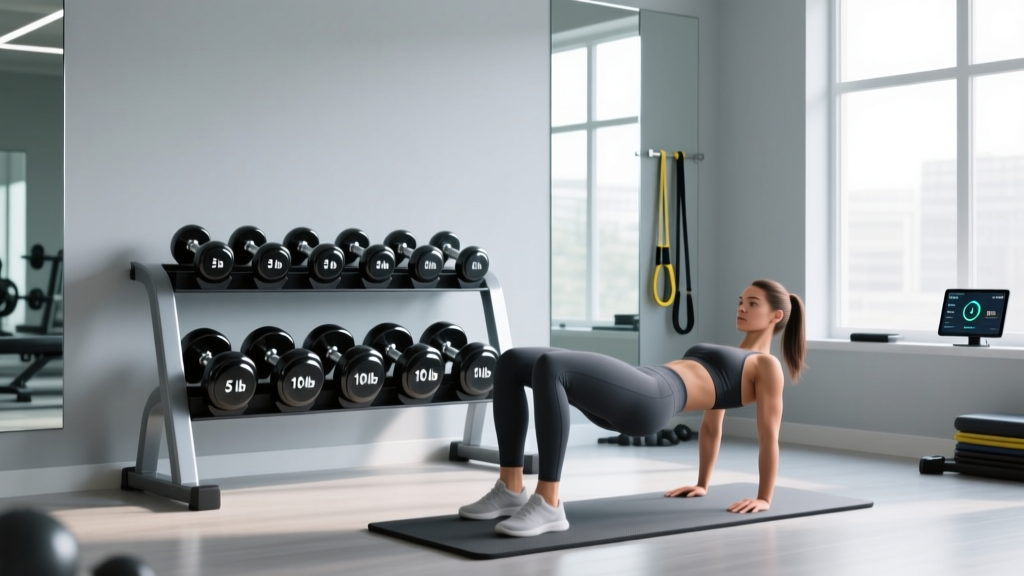
Space-Saving Dumbbell Racks to Elevate Your Dumbbell Glutes Workout
