Bumper vs Iron Plate Care: From Deadlifts to Bent Over Dumbbell Flyes
Master home gym weight maintenance. Compare bumper plate vs iron plate longevity, rust prevention, insert care, and drop-survival for plate-loaded gear.

The Material Reality: Cast Iron vs. Virgin Rubber
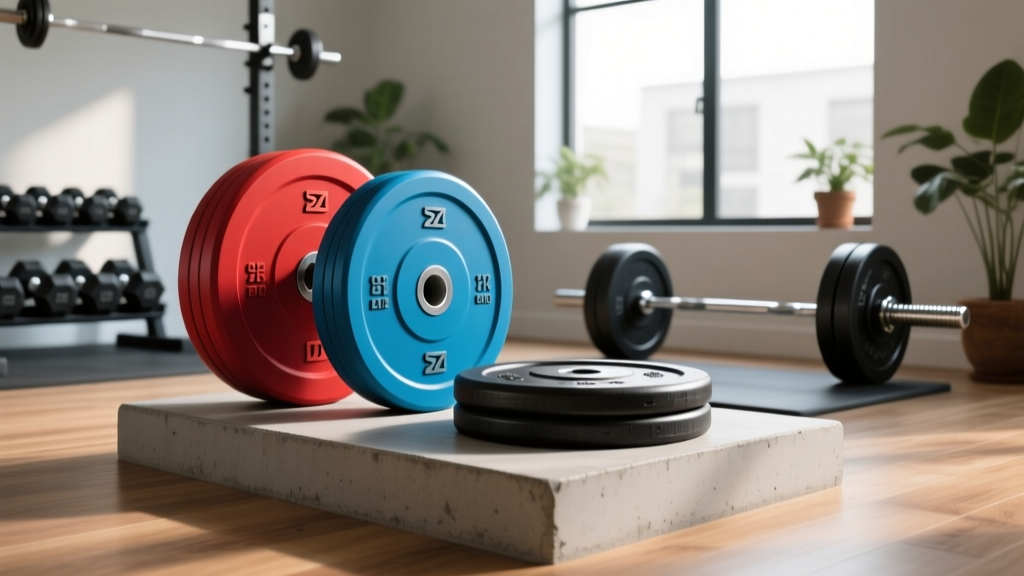
Building a home gym is a significant financial investment, but the true cost of ownership reveals itself in the maintenance required to keep your gear functional and safe. When outfitting your squat rack or barbell, the debate between bumper plates and cast iron plates usually centers on noise, drop safety, and price per pound. However, from a longevity and maintenance perspective, these two materials demand entirely different care protocols. As of 2026, with supply chain stabilization, premium virgin rubber bumpers (like the Rogue HG 2.0 series) hover around $4.50 to $5.50 per pound, while machined cast iron plates (such as York Legacy or Rogue Deep Dish) sit between $2.50 and $3.50 per pound. But which one actually survives a decade of daily abuse with less upkeep?
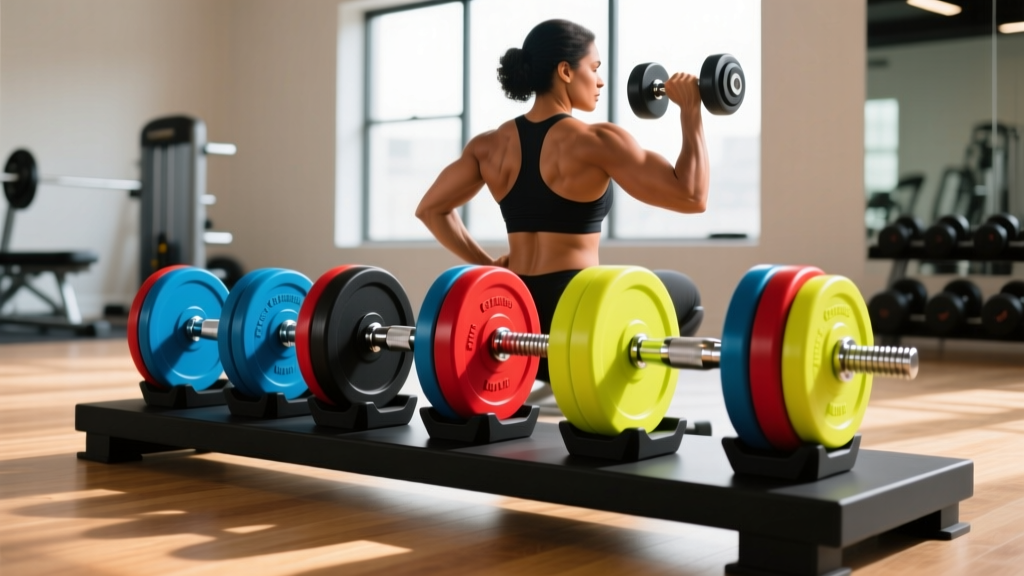
The Fatigue Drop Factor: Maintenance isn't just about barbell deadlifts. Consider isolation movements that induce rapid localized muscle failure. When executing high-rep sets of bent over dumbbell flyes using plate-loaded adjustable dumbbells (like Troy VTX spinlocks), your posterior deltoids and grip will inevitably give out. This often results in uncontrolled drops of smaller 2.5 lb or 5 lb plates. How those specific plates react to concrete or rubber matting—and the micro-fractures they sustain—dictates your long-term maintenance routine.Cast Iron Plates: Fighting the Oxidation War
Cast iron is remarkably resilient to physical deformation, but it is highly susceptible to environmental degradation. The primary enemy of iron plates is oxidation (rust), which doesn't just look unsightly; it causes 'rust jacking' where the expanding iron oxide chips away the protective enamel or rubberized coating, leading to pitting and structural weakening over time.
The 4-Step Iron Restoration and Prevention Protocol
If you are storing iron plates in an uninsulated garage or a basement with fluctuating humidity, you must implement a strict maintenance schedule.
- Initial Degreasing: New iron plates often ship with a thin layer of machine oil. Wipe them down with mineral spirits or a heavy-duty degreaser to prevent dust from cementing to the surface.
- Climate Control: Iron begins to flash-rust when relative humidity (RH) exceeds 55%. Invest in a commercial dehumidifier and keep your gym space between 40% and 45% RH.
- The Wire-Brush Method: For plates that have already developed surface rust, use a brass-bristle wire brush attached to a cordless drill. Avoid steel bristles, as they can gouge the softer cast iron and leave behind particles that rust faster.
- Protective Coating: After brushing, wipe the plates clean and apply a micro-thin layer of 3-IN-ONE Multi-Purpose Oil or a dedicated automotive paste wax. This creates a hydrophobic barrier against ambient moisture.
Bumper Plates: Preventing Insert Blowouts and Dry Rot
Bumper plates solve the noise and floor-damage issues inherent to iron, but they introduce polymer and mechanical vulnerabilities. According to extensive drop-testing data compiled by Garage Gym Reviews, the most common catastrophic failure point on a bumper plate is not the rubber itself, but the steel center hub tearing through the rubber matrix.
Understanding Rubber Degradation
Virgin rubber bumpers are highly susceptible to UV degradation and ozone cracking. If your home gym features large, untreated windows, prolonged sun exposure will cause the rubber to dry out, turn chalky, and eventually flake. Furthermore, using harsh chemical cleaners like bleach or ammonia-based solvents will strip the natural oils from the rubber, accelerating this 'dry rot' process.
- Cleaning: Use only mild dish soap (like Dawn) mixed with warm water, or a diluted, rubber-safe cleaner like Simple Green. Apply with a microfiber cloth, never a soaking wet sponge.
- Hub Maintenance: The steel insert is pressed into the rubber. Over time, the constant expansion and contraction of the barbell sleeve can loosen this press-fit. Every six months, inspect the hub. If you see a gap or white stress marks in the rubber radiating from the center, the plate is nearing blowout failure.
- Storage: Never store bumper plates flat on top of one another in direct sunlight or near HVAC heat vents. Store them vertically on a dedicated weight tree to prevent the bottom plates from warping under sustained compressive loads.
Comparative Maintenance Matrix
Below is a direct comparison of the maintenance demands, expected lifespans, and failure modes between cast iron and modern bumper plates.
| Maintenance Variable | Machined Cast Iron | Virgin Rubber Bumpers | Crumb Rubber Bumpers |
|---|---|---|---|
| Primary Threat | Oxidation / Rust Jacking | Hub Blowout / UV Dry Rot | Edge Crumbling / Odor |
| Cleaning Agent | Mineral Spirits, WD-40 | Mild Dish Soap, Water | Enzyme Odor Eliminators |
| Drop Tolerance | Low (Chips flooring & enamel) | High (IWF standard dead bounce) | Medium (High bounce, degrades) |
| Expected Lifespan | 50+ Years (if kept dry) | 10-15 Years | 3-5 Years (heavy use) |
| Annual Upkeep Cost | $15 (Oils, wire brushes) | $5 (Mild soaps, microfiber) | $20 (Replacement frequency) |
The Flooring Synergy: You Can't Ignore the Mats
The longevity of your plates is inextricably linked to your flooring. Dropping iron plates, even from the relatively low height of a failed dumbbell movement, onto raw concrete will cause micro-fractures in the iron's crystalline structure, eventually leading to cracked plates. Conversely, dropping heavy bumpers repeatedly onto interlocking EVA foam tiles will destroy the foam, creating an uneven surface that accelerates asymmetric wear on the bumper's rubber matrix.
"The International Weightlifting Federation mandates specific durometer ratings and drop-tests for competition bumpers to ensure they don't destroy the platform. In a home gym, replicating this requires at least 3/4-inch vulcanized horse stall mats over a sealed concrete subfloor to absorb the kinetic energy that would otherwise rebound into the steel hub of your bumper plates."
Edge Case: The 10 lb and 15 lb Plate Vulnerability
Whether you choose iron or rubber, the 10 lb (or 5 kg) bumper plate is a notorious failure point. Because the surface area is so small relative to the weight and the force of a drop, 10 lb bumpers frequently fold, warp, or shatter. If your programming involves dropping the bar from overhead (like in CrossFit or Olympic lifting), never use standard 10 lb bumpers as your only plate on the bar. Pair them with 45 lb bumpers to distribute the impact force, or switch to specialized 'technique' crumb bumpers which have a higher density core. For iron plates, the 2.5 lb and 5 lb fractional plates are easily bent if dropped on their edge during exercises like bent over dumbbell flyes where grip failure occurs far from the body's center of mass.
Final Verdict: Which Requires Less Work?
If your primary goal is zero-maintenance longevity and you have a climate-controlled indoor space, cast iron plates are the undisputed champion. Once you wipe off the factory grease and keep the humidity below 50%, iron plates will easily outlive you, requiring virtually no ongoing care. They are also significantly cheaper to replace if a fractional plate bends during a fatigue-induced drop.
However, if you train in a garage, share walls with neighbors, or regularly drop weights from the shoulder or overhead, bumper plates are mandatory for structural and acoustic survival. The maintenance trade-off is accepting a 10 to 15-year lifespan, keeping them out of direct sunlight, and routinely checking the steel hubs for separation. By matching your plate material to your actual training environment and drop-habits, you ensure your home gym remains safe, quiet, and functional for decades to come.
More gear to consider
All reviews
Beyond Vinyl Dumbbells: 2026 Loadable Plate Market Trends
Dumbbell Rack Storage: Layouts & Dumbbell Swings Muscles Worked

Space Layouts: Kettlebells & the Bent Over Single Arm Dumbbell Row
Painting Dumbbells & Barbell Collar Types: Troubleshooting Guide
Barbell Knurling Setup & Space for a Belly Workout With Dumbbells