Barbell Weight & Knurling Guide + Incline Dumbbell Lateral Raise
Master your home gym with our Olympic barbell buying guide on weight and knurling, plus tips on pairing it with the incline dumbbell lateral raise.

The Foundation: Building a Complete Free Weight Arsenal
Walking into a gym or building a home rack in 2026 can be overwhelming for beginners. You are immediately confronted with a massive variety of steel, iron, and rubber. While isolation exercises are crucial for a balanced physique, your foundational strength will always be dictated by the barbell. However, not all bars are created equal. Understanding the nuances of an Olympic barbell—specifically its exact weight specifications and knurling patterns—is the difference between a lifetime piece of equipment and a bent, slippery rod that ruins your joints.
Furthermore, a smart training program requires transitioning from heavy, knurled barbell compounds to precise dumbbell isolation work. For example, after heavy overhead barbell pressing, athletes frequently utilize the incline dumbbell lateral raise to target the medial deltoids without lower back strain. Knowing how your equipment dictates your grip and movement mechanics across both modalities is essential. This step-by-step guide will walk you through choosing the perfect Olympic barbell and integrating it into a well-rounded routine.
Step 1: Demystifying Olympic Barbell Weights and Dimensions
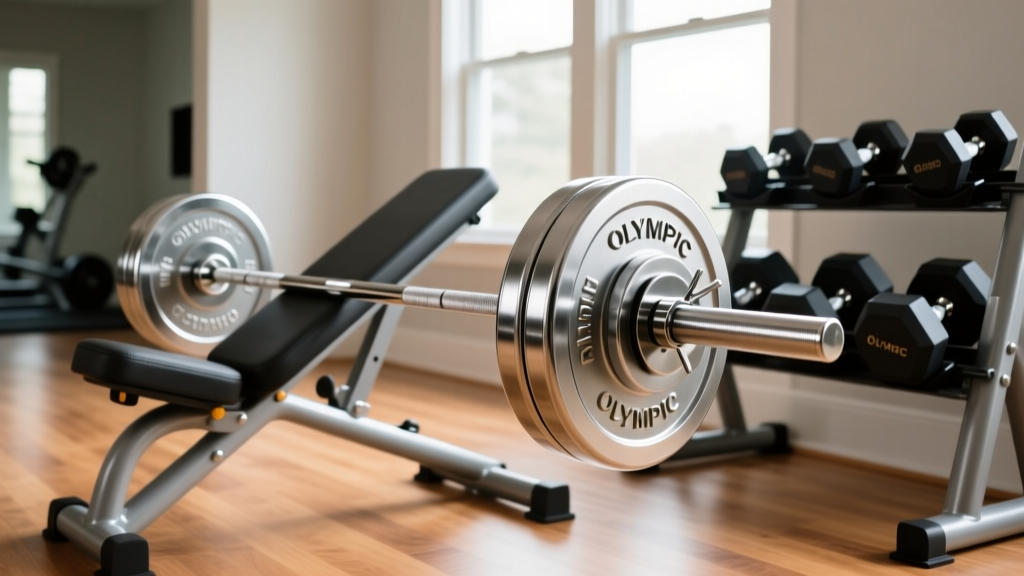
The term 'Olympic' refers to the standardized 2-inch (50mm) diameter of the barbell sleeves where the weight plates load. However, the shaft (the part you actually hold) and the total weight vary based on the bar's intended user and purpose. According to the International Weightlifting Federation (IWF) Technical Rules, competition bars must adhere to strict tolerances.
Quick Reference: Standard Barbell Weights
- Men's Olympic Bar: 20 kg (44.09 lbs) | 2200mm total length | 28mm shaft diameter.
- Women's Olympic Bar: 15 kg (33.06 lbs) | 2010mm total length | 25mm shaft diameter (easier for smaller hands to hook grip).
- Technique Bar: 10 kg (22 lbs) | Usually 25mm or 28mm shaft | Ideal for beginners learning form before adding load.
For a beginner buying their first bar, a standard 20kg Men's bar or a 15kg Women's bar is the most versatile choice. Avoid cheap, 45lb 'economy' bars found on big-box retail sites; they often feature 30mm+ shafts that are difficult to grip and lack the tensile strength to withstand heavy dropping, leading to permanent bending.
Step 2: Decoding Knurling (The Science of Grip Texture)
Knurling is the diamond-patterned machining cut into the steel shaft of the barbell. It is arguably the most critical factor in how a bar 'feels' in your hands. As detailed in comprehensive equipment reviews by Rogue Fitness, knurling depth and shape dictate whether a bar will tear your calluses or slip out of your hands during a heavy deadlift.
The Three Main Knurl Profiles
- Hill Knurling: The peaks of the diamonds are flattened off. This feels very mild and smooth. It is common on cheap, entry-level bars. Verdict: Avoid for heavy lifting, as the bar will slip when you sweat.
- Mountain Knurling: The peaks are left sharp and aggressive. It feels like a cheese grater. While it provides an unbreakable grip for heavy 1-rep max deadlifts, it will shred your hands during high-volume hypertrophy work. Verdict: Best for dedicated powerlifters.
- Volcano Knurling: The gold standard for modern home gyms. The peaks are slightly rounded, but the deep grooves between the diamonds provide immense surface area for grip without tearing the skin. Verdict: Ideal for beginners and general fitness enthusiasts.
| Knurl Type | Depth / Aggressiveness | Best Use Case | Example Model (2026) |
|---|---|---|---|
| Hill | Shallow / Smooth | Light technique work, youth lifting | Economy Import Bars |
| Volcano | Deep / Grippy but not sharp | Olympic lifting, CrossFit, General Hypertrophy | Rogue Ohio Bar (Volcano) |
| Mountain | Aggressive / Sharp peaks | Heavy Powerlifting (Deadlifts, Low Bar Squats) | American Barbell Elite Power Bar |
Pro-Tip on Center Knurling: Powerlifting bars feature a 'center knurl' to grip the back of your shirt during low-bar squats. Weightlifting bars omit it to prevent scraping your chest and neck during cleans. For a beginner's all-around bar, look for a light center knurl or no center knurl at all.
Step 3: Integrating Your Barbell with Dumbbell Isolation
Understanding your barbell's knurling is only half the battle; you must also know when to put the barbell down. Heavy barbell overhead presses build raw pressing strength, but they heavily involve the triceps and upper chest. To achieve complete shoulder development, you must isolate the medial (side) deltoid.
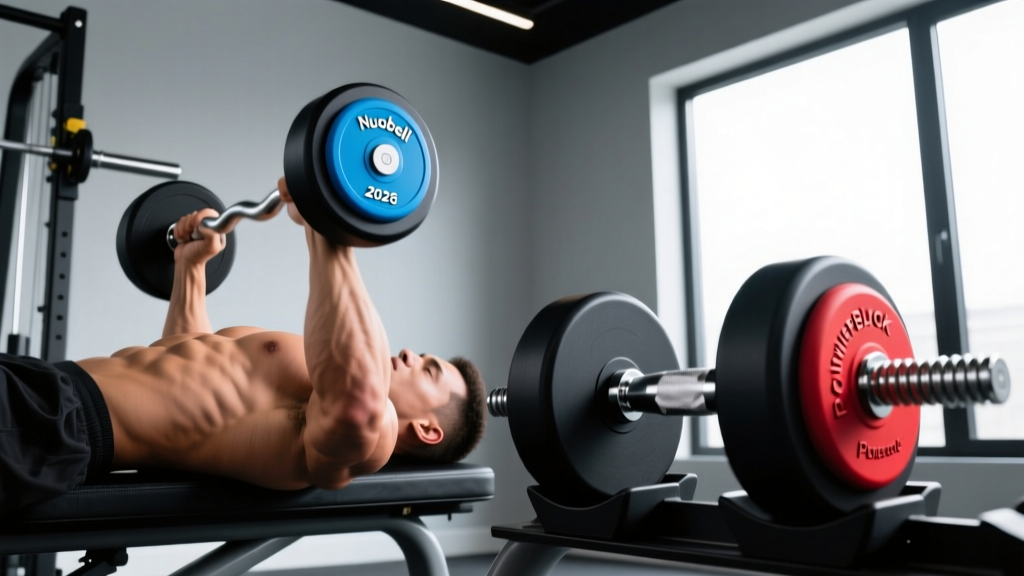
This is where the incline dumbbell lateral raise becomes a vital accessory movement. By setting an adjustable bench to a 30-to-45-degree incline and performing lateral raises with dumbbells, you eliminate momentum and strictly isolate the side delt.
The Grip Contrast: Barbell vs. Dumbbell
When performing a heavy barbell press, you are relying on the aggressive volcano or mountain knurling to lock the 150+ lb bar into your palm, requiring a crushed, high-tension grip. Conversely, when you transition to the incline dumbbell lateral raise, you must use a relaxed, hook-style grip on the smooth or lightly knurled dumbbell handle. Gripping the dumbbell too tightly recruits the forearm and upper trap muscles, stealing tension away from the target side deltoid. Mastering this neurological shift—from high-tension barbell stabilization to low-tension dumbbell isolation—is a hallmark of advanced lifting.
Step 4: 2026 Market Pricing and Brand Recommendations
Due to global steel fluctuations and shipping costs, the pricing landscape for high-quality Olympic barbells has shifted in 2026. Here is what you should expect to pay for a barbell that will last a lifetime:
- Entry-Level ($200 - $275): Look for bars with 165,000 PSI tensile strength and bronze bushings. Recommendation: Rep Fitness AB-4100.
- Mid-Tier ($295 - $385): The sweet spot for most home gyms. Expect 190,000+ PSI tensile strength, composite or bronze bushings, and excellent volcano knurling. Recommendation: Rogue Fitness Ohio Bar.
- Elite / Competition ($750 - $1,100+): Certified by the IWF, featuring needle bearings for massive spin and perfectly calibrated weight tolerances. Recommendation: Eleiko Olympic WL Bar.
Frequently Asked Questions (FAQ)
Do I need a 20kg barbell if I am a beginner?
Not necessarily. If you are struggling with grip strength or find the 28mm shaft too thick, starting with a 15kg Women's Olympic bar (25mm shaft) is highly recommended. The thinner shaft allows for a secure grip, which is crucial for learning proper pulling mechanics safely.
Will an incline dumbbell lateral raise replace my barbell overhead press?
No. The barbell overhead press is a compound, multi-joint movement that builds central nervous system strength and overall mass. The incline dumbbell lateral raise is a single-joint isolation exercise meant for hypertrophy and joint health. They should be used together in the same workout, not as replacements for one another.
How do I maintain my barbell knurling?
Chalk and dead skin will pack into the knurling valleys, reducing grip and promoting rust. Once a month, use a stiff nylon brush (never wire, as it damages the finish) and a light spray of 3-in-One oil or Bar Keeper's Friend to scrub the shaft. Wipe it down with a microfiber cloth to keep the volcano peaks sharp and rust-free.
More gear to consider
All reviews
Olympic Barbell Guide: Weight, Knurling & the Dumbbell Hang Snatch

Power Rack vs Squat Rack vs Squat Stand: Rigging Dumbbell Seal Rows
Bumper vs Iron Plates: Upgrading Beyond PowerBlock 50 Dumbbells

Barbell Collar & Clamp Types: Securing Your Thomas Dumbbell & Bar
Goblet Squat vs Dumbbell Squat: Bumper vs Iron Plate Budget