
Barbell vs Dumbbells: Why Barbell Collars and Clamps Matter
Settling the barbell vs dumbbells debate? Discover our 2026 guide to barbell collars and clamps, featuring failure modes, pricing, and IWF specs.

The Barbell vs Dumbbells Debate: Where Do Collars Fit In?
When mapping out a home gym or optimizing a commercial facility, the classic barbell vs dumbbells debate usually centers on versatility, spatial footprint, and bilateral deficit training. Dumbbells—whether fixed hex, urethane, or adjustable dial models—are self-contained units. The load is inherently secure. Barbells, however, are modular systems. If your programming leans heavily into barbell work like squats, deadlifts, and Olympic lifts, the conversation must immediately shift to load security. An unloaded or shifting barbell sleeve is a catastrophic hazard. While dumbbells require zero external securing mechanisms, a barbell demands high-quality collars or clamps to prevent plates from sliding, shifting the center of gravity, and potentially causing severe injury or equipment damage.
In this comprehensive 2026 buying guide, we move past the basic barbell vs dumbbells argument to focus on the unsung heroes of barbell safety: collars and clamps. We will break down exact clamping forces, material failure modes, International Weightlifting Federation (IWF) specifications, and real-world pricing to help you make an informed purchase.
Understanding Olympic vs. Standard Sleeves
Before purchasing any collar, you must verify your barbell's sleeve diameter. The fitness industry is largely standardized, but mismatches still cause dangerous equipment failures.
- Olympic Sleeves (50mm / 1.97 inches): The universal standard for commercial and serious home gym barbells. Almost all premium clamps and competition collars are engineered specifically for 50mm sleeves.
- Standard Sleeves (25mm / 1 inch): Typically found on budget-friendly, entry-level barbells. These require specific 'standard' spring clips or threaded spinlock collars. Attempting to use an Olympic clamp on a standard sleeve will result in zero clamping force and immediate plate slippage.
Comprehensive Comparison Matrix: Collar & Clamp Types
Below is our 2026 data matrix comparing the primary categories of barbell collars. This table highlights the trade-offs between budget, clamping force, and durability.
| Collar Type | Primary Material | Avg. Clamping Force | Weight (Per Collar) | 2026 Price Range (Pair) | Best Use Case |
|---|---|---|---|---|---|
| Spring Clips | Zinc-Plated Steel | 100 - 150 lbs | 0.2 lbs | $8 - $15 | Light isolation, strict pressing |
| Polymer Lever Clamps | Glass-Filled Nylon | 300 - 400 lbs | 0.6 lbs | $25 - $35 | General powerlifting, garage gyms |
| Aluminum Cam Clamps | Aircraft Aluminum | 500+ lbs | 0.8 lbs | $40 - $60 | Heavy deadlifts, CrossFit drops |
| Competition Spin-Lock | Forged Steel / Aluminum | 1000+ lbs | 5.5 lbs (2.5 kg) | $140 - $190 | Olympic weightlifting, IWF meets |
Deep Dive: Top Clamp Categories and Real-World Failure Modes
To truly understand which collar to buy, we must look past the marketing claims and examine how these tools fail in real-world garage gym and commercial environments.
1. Spring Clips (The Budget Trap)
Spring clips rely on the tension of bent steel wire. While they are incredibly fast to apply and remove, their failure mode is tied to metal fatigue. Over hundreds of compression cycles, the steel loses its temper and tension. Furthermore, spring clips offer virtually no protection against dynamic lateral movement. If you drop a barbell from shoulder height during a failed push-press, the sudden deceleration will easily overcome the 150 lbs of clamping force, causing the plates to shift. Verdict: Acceptable only for light, controlled movements like bicep curls or strict bench presses where the bar is never dropped.
2. Polymer Lever Clamps (The Garage Gym Standard)
Brands like Lock-Jaw popularized the glass-filled nylon polymer clamp. These utilize a steel internal tooth mechanism that bites into the barbell sleeve when the lever is engaged. They offer excellent clamping force (up to 400 lbs) and are highly durable under normal conditions.
Failure Mode: Polymer brittleness in extreme temperatures. If you train in an uninsulated garage in a cold climate (below 32°F / 0°C), the nylon can become brittle. Dropping a heavy barbell can cause the polymer housing to shatter upon impact with the floor. Additionally, UV exposure over several years can degrade the plasticizers in the nylon.
3. Aluminum Cam Clamps (The Heavy-Duty Standard)
Models like the Rogue Fitness Aluminum Collars or Iron Bull Strength Lever Clamps use a machined aluminum body with a steel cam-lever and a high-friction rubber or polyurethane inner gasket.
Failure Mode: Gasket compression set. Over time, the rubber O-ring or inner pad flattens and loses its elasticity, drastically reducing the friction against the steel sleeve. Another common user error is placing the clamp directly on the barbell's knurling. The cam cannot achieve a flush seal on knurled steel, leading to slippage under heavy loads.
4. Competition Spin-Lock Collars (The IWF Standard)
According to the International Weightlifting Federation (IWF) Technical Rules, competition collars must weigh exactly 2.5 kg (5.5 lbs) each. These massive collars, such as the Rogue HG2 or Eleiko Competition Collars, use heavy-duty threaded spin-locks or massive lever mechanisms that clamp with over 1000 lbs of force. They are designed to withstand the violent vibrations and drops of 200kg+ clean and jerks. Verdict: Overkill for general fitness, but mandatory for competitive Olympic weightlifters and specialized strength facilities.
IWF Regulation Note: 'The barbell must be loaded with the heaviest plates first, followed by lighter plates, and secured with collars weighing exactly 2.5 kg each.' This ensures that the total weight calculated by the loaders includes the collars, standardizing the load across all athletes. (Source: IWF TCRR)
Practical Decision Framework: Which Collar Should You Buy?
Navigating the barbell vs dumbbells equipment split requires matching your gear to your specific training modalities. Use this framework to finalize your purchase:
- For General Powerlifting (Squat, Bench, Deadlift): Invest in Aluminum Cam Clamps ($40-$60). You need high clamping force to keep plates tight during heavy, slow grinds, but you don't need the 2.5kg weight addition of competition collars messing up your micro-loading math.
- For CrossFit and High-Rep Olympic Lifting: Choose Polymer Lever Clamps ($25-$35). Speed is paramount during AMRAP workouts. Polymer clamps can be engaged and released in under two seconds, keeping your rest intervals minimal while providing enough security for moderate-weight drops.
- For Competitive Weightlifting: You must purchase IWF-Certified 2.5kg Collars ($140+). Training with the exact implement you will use on the platform is vital for spatial awareness and barbell whip calibration.
- For Standard 1-Inch Home Bars: You are limited to Threaded Spinlock Collars or heavy-duty standard springs. Ensure you buy chrome-plated steel spinlocks to prevent rust and thread-stripping.
Safety Protocols and Maintenance Best Practices
Even the most expensive clamps will fail if not maintained or applied correctly. As experts at BarBend's equipment testing lab frequently note, user error accounts for the vast majority of collar slippage incidents.
Step-by-Step: Properly Seating an Aluminum Cam Clamp
- Wipe the Sleeve: Use a microfiber cloth to remove chalk dust, sweat, and oxidized steel debris from the barbell sleeve. Chalk acts as a dry lubricant and will drastically reduce the friction of the rubber gasket.
- Push Plates Flush: Ensure the bumper plates or steel plates are pushed completely flush against the inner sleeve shoulder. Tap the plates against the floor vertically to seat them tightly together.
- Clear the Knurling: Slide the collar onto the smooth steel portion of the sleeve. Ensure no part of the inner gasket is resting on the aggressive knurling.
- Engage and Test: Pull the cam lever down. It should require substantial thumb pressure to close the final 10 degrees. Attempt to twist the collar by hand; if it rotates freely, the tension is too low or the gasket is worn out.
Final Thoughts on Load Security
While the barbell vs dumbbells discussion will always be a matter of programming preference and biomechanical goals, the responsibility of load security falls entirely on the lifter when a barbell is chosen. Dumbbells offer inherent safety through their fixed design, but the modular nature of the barbell demands respect. By investing in the correct collar type—whether it is a $30 set of polymer clamps for your garage gym or a $180 set of Eleiko competition collars for your weightlifting club—you are investing in the structural integrity of your training environment. Do not let a $10 pair of fatigued spring clips be the reason a 400lb deadlift turns into a physical therapy referral. Secure your sleeves, respect the physics, and lift with confidence.
More gear to consider
All reviews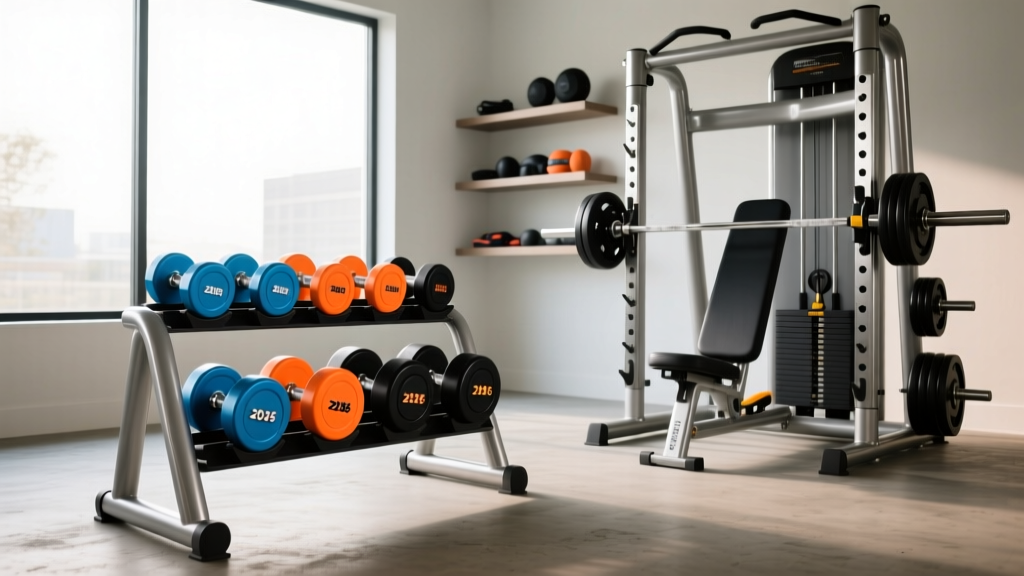
Loadable Dumbbells vs Barbell Chest Press Machine: 2026 Guide
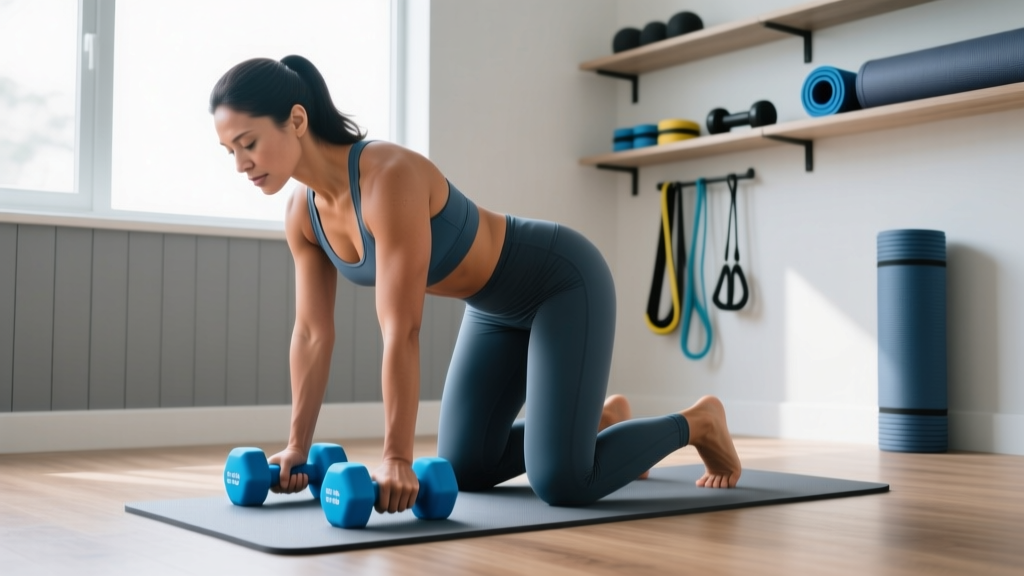
Hamstring Curls with Dumbbells: Beginner Neoprene Guide

Olympic vs Standard Plates & the Pullover Exercise with Dumbbells

Single Arm Dumbbell Floor Press: Olympic vs Standard Plate Mistakes

Barbell Knurling Guide: Olympic Shafts vs Thomas Inch Dumbbell Trick
