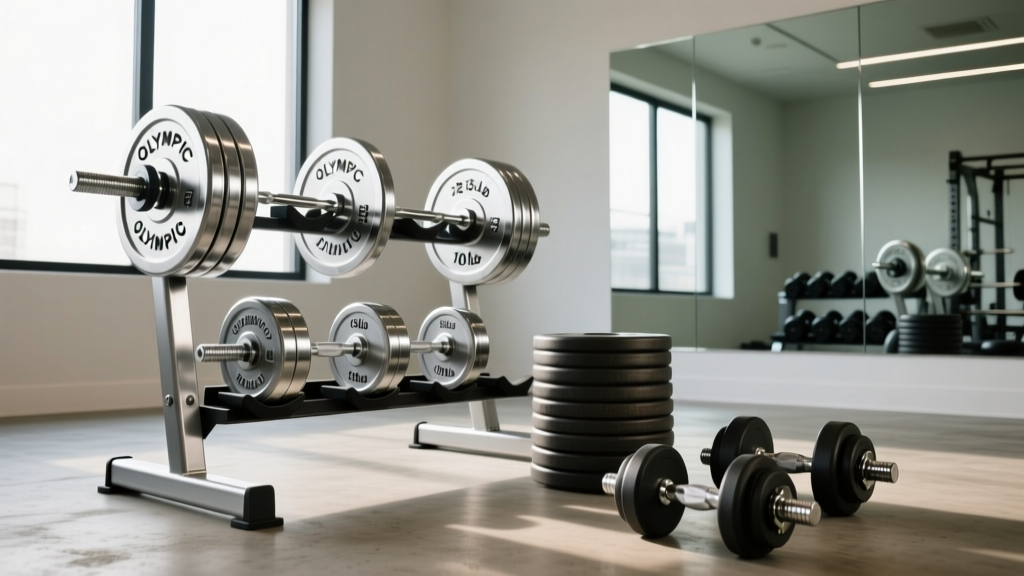
Barbell vs Dumbbell Shrugs: Troubleshooting Neoprene Home Workouts
Master the barbell vs dumbbell shrugs debate. Troubleshoot form, grip, and equipment limits when using a neoprene coated dumbbell for home use.

The Trap Dilemma: Barbell vs Dumbbell Shrugs in the Home Gym
Building a formidable trapezius muscle is a universal goal for strength athletes, but the path to peak trap development is often hindered by equipment limitations and biomechanical misunderstandings. The eternal debate of barbell vs dumbbell shrugs usually centers around load capacity versus range of motion. However, for the millions of lifters training in home gyms, this debate is heavily dictated by the gear on hand. Specifically, the ubiquitous neoprene coated dumbbell for home use presents a unique set of challenges and opportunities for shrug variations.
Unlike commercial gyms stocked with 150-pound custom hex dumbbells and specialized shrug machines, home setups typically rely on fixed-weight neoprene sets (like those from CAP Barbell or Yes4All) that cap out at 50 pounds per hand. In 2026, with home fitness remaining a dominant trend, understanding how to troubleshoot form, maximize light-to-moderate loads, and maintain your neoprene equipment is critical for long-term progress. This guide breaks down the biomechanics, common mistakes, and advanced troubleshooting protocols for executing shrugs with home-grade neoprene dumbbells.
Biomechanical Breakdown: Barbell vs Dumbbell Shrugs
Before troubleshooting your home workout, we must establish why you might choose dumbbells over a barbell in the first place. According to biomechanical data cataloged by ExRx, the dumbbell shrug allows for a more natural arm path, keeping the shoulders in a neutral grip. This reduces the risk of anterior shoulder impingement and AC joint irritation often caused by the locked, pronated grip required for heavy barbell shrugs.
| Feature | Barbell Shrugs | Dumbbell Shrugs (Neoprene Hex) |
|---|---|---|
| Grip Orientation | Pronated (Palms facing body) | Neutral (Palms facing each other) |
| Load Capacity | Extremely High (200+ lbs) | Low to Moderate (Max 50 lbs per hand) |
| Range of Motion | Restricted by barbell hitting thighs | Unrestricted, allows slight lateral arc |
| Joint Stress | Higher on wrists and AC joint | Lower, natural alignment with trap fibers |
The primary drawback of the neoprene dumbbell is the weight ceiling. The upper trapezius is a highly resilient, dense muscle group accustomed to stabilizing the cervical spine; it responds best to heavy mechanical tension. When your heaviest neoprene dumbbell is only 40 or 50 pounds, standard shrug reps will quickly become an endurance exercise rather than a hypertrophy stimulus.
Troubleshooting Common Shrug Mistakes with Neoprene Dumbbells
When lifters realize their 45-pound neoprene dumbbells are not providing enough resistance to stimulate trap growth, they often compensate with poor mechanics. Here is how to identify and correct the most frequent form breakdowns.
Mistake 1: Rolling the Shoulders
A pervasive myth in fitness circles is that 'rolling' the shoulders backward at the top of a shrug increases trapezius activation. In reality, the trapezius fibers run vertically and diagonally upward. Rolling the shoulders merely shifts the load to the rotator cuff and levator scapulae, increasing injury risk without adding mechanical tension to the upper traps. The Fix: Shrug strictly in a vertical line. Imagine trying to touch your shoulders to your earlobes, pause, and lower straight down.
Mistake 2: Using Knee Momentum
Because neoprene dumbbells feel light, lifters often use a 'knee kick' to launch the weight upward. This removes the eccentric (lowering) portion of the lift and eliminates the stretch-mediated hypertrophy signal at the bottom of the movement. The Fix: Keep a soft bend in the knees, but lock the lower body. The movement must originate entirely from scapular elevation.
Mistake 3: Ignoring the Neoprene Grip Factor
Neoprene is a synthetic rubber that provides excellent tackiness when dry. However, once your hands begin to sweat, neoprene becomes notoriously slippery, leading to premature grip failure before your traps reach muscular exhaustion. The Fix: Do not use traditional magnesium carbonate block chalk, as it cakes into the porous neoprene and ruins the coating. Instead, use a liquid chalk formulation or wipe the handles with a dry microfiber towel between every single set.
Equipment Warning: Never leave your neoprene coated dumbbells in direct sunlight or in a garage with high UV exposure. UV radiation breaks down the chemical bonds in synthetic rubber, causing the neoprene to flake, peel, and emit a permanent foul odor within 6 to 12 months.Overcoming the Weight Ceiling: Advanced Intensity Techniques
If you are limited to a 30, 40, or 50-pound neoprene coated dumbbell for home use, you must manipulate time under tension (TUT) and metabolic stress to force the trapezius to adapt. The Cleveland Clinic notes that the trapezius is highly susceptible to strain from improper loading, meaning controlled, deliberate tension is not just effective for hypertrophy, but vital for joint health.
Implement these three troubleshooting protocols to make light neoprene dumbbells feel like 100-pound commercial hex bells:
- The 1.5 Rep Method: Pull the dumbbells to the peak contraction (top of the shrug). Lower the weight only halfway down, then pull back to the top. Finally, lower the weight all the way to the dead hang. That equals one rep. This doubles the time spent in the shortened, peak-contraction position where the upper traps are most active.
- 3-Second Isometric Pauses: Elevate the scapula and hold the peak contraction for a full three seconds. Count it out loud. You will find that even 35-pound neoprene dumbbells induce severe metabolic burn and muscle fiber recruitment when the stretch reflex is removed at the top.
- Pre-Exhaustion Supersets: Perform a set of strict lateral raises or upright rows with your neoprene dumbbells to failure, then immediately transition into dumbbell shrugs. The traps will already be fatigued from stabilizing the scapula during the previous movement, drastically lowering the threshold required for hypertrophy.
Equipment Maintenance: Preserving Your Neoprene Coating
A high-quality set of neoprene hex dumbbells costs between $1.10 and $1.50 per pound in 2026. A full 5-to-50-pound set is a significant financial investment for a home gym. Troubleshooting your workout also means troubleshooting your gear maintenance.
'The lifespan of a neoprene dumbbell is entirely dependent on how the user manages skin oils and environmental humidity. Sebum breakdown is the number one cause of coating degradation.' - Home Gym Equipment Maintenance Report, 2025.
To extend the life of your neoprene coated dumbbell for home use, follow this strict maintenance protocol:
- Post-Workout Wipe Down: Always wipe the handles with a damp cloth mixed with a mild, non-bleach antibacterial soap. This removes the acidic sweat and skin oils that slowly eat away at the rubberized coating.
- Avoid Solvents: Never use alcohol-based cleaners, bleach, or harsh degreasers on neoprene. These chemicals strip the matte finish and leave the dumbbell sticky and prone to tearing.
- Storage: Store the dumbbells on a dedicated metal or wooden rack in a climate-controlled room. Avoid leaving them on concrete garage floors, which can transfer moisture and cause the internal cast-iron core to rust and expand, ultimately splitting the neoprene shell from the inside out.
Frequently Asked Questions (FAQ)
Are neoprene dumbbells safe for heavy shrug drops?
Neoprene hex dumbbells are not designed to be dropped. The internal core is typically cast iron encased in a relatively thin layer of synthetic rubber. Dropping them from the top of a shrug onto a hard floor will crack the neoprene and potentially shatter the iron core. Always lower them with control or drop them only onto thick, high-density horse-stall mats.
Can I use lifting straps with neoprene dumbbells?
Yes, using cotton or nylon lifting straps is highly recommended when performing high-rep or isometric shrug variations with neoprene dumbbells. Because the rubberized handle is thicker than a standard Olympic barbell, it requires more grip strength. Straps allow you to bypass forearm fatigue and isolate the trapezius completely.
How do I progress if I max out my 50lb neoprene dumbbells?
Once 50-pound neoprene dumbbells no longer provide a sufficient stimulus even with isometric pauses and 1.5 reps, it is time to upgrade your home gym equipment. Consider investing in a set of heavy-duty adjustable dumbbells (like the Nuobell or PowerBlock Elite) that can scale up to 80 or 90 pounds per hand, or transition to a barbell shrug setup if you have a squat rack and Olympic plates available.
More gear to consider
All reviews
Rubber Hex vs Urethane for Dumbbell Shoulder Lifts: Value Analysis

High Intensity Dumbbell Workout Gear: 2026 Urethane vs Rubber Trends

Olympic vs Standard Plates: Quadriceps Workout with Dumbbells Setup
Olympic vs Standard Plates: Trap Work & Shrug Exercise Dumbbell

Bumper vs Iron Plates: Gym Layouts for Good Tricep Dumbbell Workouts