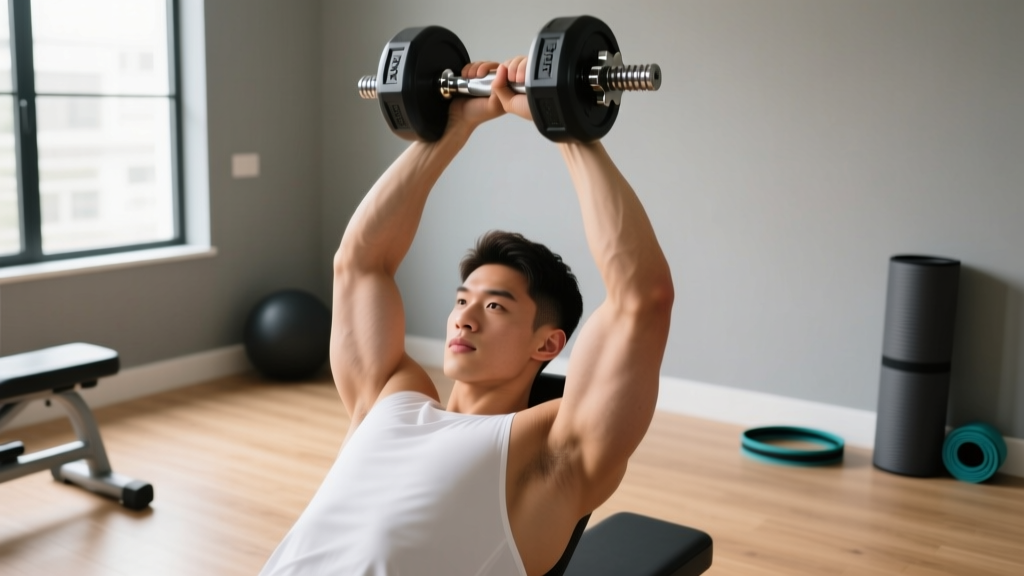
Beyond Your 4-Week Dumbbell Workout Plan PDF: Barbell Clamp Errors
Transitioning from a 4-week dumbbell workout plan PDF to barbells? Avoid critical barbell collar mistakes, slipping clamps, and sleeve tolerance errors.

Many lifters begin their home gym journey by downloading a free 4-week dumbbell workout plan pdf to build foundational strength using adjustable dumbbells or loadable handles. However, as progressive overload demands a transition to standard Olympic barbell complexes, securing your weight plates becomes a critical safety variable. Upgrading your hardware without understanding barbell collar and clamp mechanics is a primary cause of home gym injuries, asymmetric loading disasters, and ruined barbell sleeves.
This troubleshooting guide bridges the gap between basic dumbbell routines and advanced barbell training. We will dissect the exact failure modes of popular collar types, troubleshoot sleeve tolerance issues, and provide a step-by-step framework to ensure your plates never shift during a heavy clean or deadlift.
The Biomechanics of Plate Shift and Bar Whip
When you move from dumbbells to a 7-foot Olympic barbell, you introduce a variable that dumbbells don't possess: bar whip. Under heavy loads (typically exceeding 315 lbs), the steel shaft of a barbell oscillates and bends. If your collars lack sufficient inward clamping force, this kinetic energy transfers to the plates, causing them to rattle and slide outward.
⚠️ Safety Warning: According to the International Weightlifting Federation (IWF) Technical Rules, collars are mandatory in competition not just for safety, but because a plate shifting even half an inch alters the moment arm of the barbell, drastically increasing the risk of wrist and shoulder tears during dynamic lifts like the snatch or clean and jerk.Barbell Collar & Clamp Types: A Troubleshooting Matrix
Not all collars are created equal. The market is flooded with cheap imitations that fail under specific conditions. Below is a diagnostic comparison of the four primary collar types you will encounter in 2026.
| Collar Type | Mechanism | Best Application | Common Failure Mode | Avg. Price |
|---|---|---|---|---|
| Spring Clip | Steel wire tension | Light accessories, bench press | Metal fatigue; slips on sub-50mm sleeves | $12 - $20 |
| Polymer Clamp (e.g., Lock-Jaw) | Plastic housing with internal grip pads | CrossFit, high-rep dynamic lifts | Polymer micro-fractures in cold garages (<40°F) | $30 - $40 |
| Cam-Lever / Aluminum (e.g., Rogue HG 2.0) | Aluminum body, rubber-lined cam | Heavy powerlifting, Olympic lifting | Cam lever loosening if rubber pad wears smooth | $40 - $55 |
| Competition / IWF Standard | Precision-machined steel with lever | Sanctioned meets, max effort singles | Overkill for home gyms; heavy (2.5kg each) | $80 - $150 |
3 Critical Mistakes When Upgrading Your Home Gym
Mistake 1: Using Spring Clips for Olympic Lifts
Spring clips are designed for static, low-velocity movements. When you perform a power clean, the barbell experiences violent deceleration. Spring clips lack the inward surface area to grip the sleeve under this kinetic shock. The plates will rattle outward, shifting your center of gravity mid-lift. Fix: Reserve spring clips strictly for bench pressing or floor presses where bar whip is minimal and dropping the bar isn't required.
Mistake 2: Ignoring Sleeve Diameter Tolerances
A standard Olympic sleeve is exactly 50mm in diameter. However, many budget barbells imported from overseas measure between 49.2mm and 49.6mm. If you use a rigid polymer clamp like the Lock-Jaw Pro on a 49.2mm sleeve, the internal grip pads will not fully engage, leading to dangerous slippage during deadlifts. Always measure your barbell sleeves with digital calipers before purchasing rigid clamps.
Mistake 3: Incorrect Cam-Lever Orientation
The Rogue HG 2.0 Collar is a staple in elite home gyms due to its rubber-lined cam design that grips the sleeve without scratching zinc or Cerakote finishes. However, users frequently install it backward. The lever must close towards the weight plates, not away from them. Closing it toward the plates drives the inner lip into the sleeve, creating the necessary inward pressure to prevent plate shift.
"The most overlooked variable in home gym safety isn't the barbell's tensile strength; it's the 2mm gap between a cheap collar and an out-of-spec sleeve. That gap is where injuries happen." — Equipment Troubleshooting Lead, FitGearPulse
Step-by-Step Troubleshooting for Slipping Collars
If your collars are sliding off during your workout, do not immediately buy new ones. Follow this diagnostic flowchart to identify the root cause.
- Check for Zinc Oxidation: Over time, zinc-plated barbell sleeves develop a white, chalky oxidation layer. This acts as a lubricant, causing collars to slide. Solution: Apply 3-IN-ONE oil or white vinegar to a Scotch-Brite pad and scrub the sleeve until the bare, shiny metal is exposed. Wipe dry.
- Inspect Collar Internal Pads: Remove the rubber or urethane pads inside your aluminum clamps. If they are packed with chalk dust or gym grime, they lose their coefficient of friction. Solution: Wash the pads with warm water and dish soap, then dry completely.
- Test Sleeve Tolerance: Use a digital caliper to measure the sleeve. If it reads below 49.5mm, abandon polymer clamps. Switch to a tension-based aluminum cam-lever collar, which can compress to accommodate slightly undersized sleeves.
- Evaluate Plate Flushness: Ensure your bumper plates or cast iron plates have flat inner hubs. If the inner hub is beveled or warped, the collar cannot sit flush, creating a wedge effect that pushes the collar outward under load.
2026 Expert Gear Recommendations
Based on extensive durability testing and failure-rate analysis, here are the top collar configurations for different training styles this year:
- For the Powerlifter: Rogue HG 2.0 Collars ($45). The rubber-lined cam provides massive inward pressure, completely eliminating plate rattle during heavy sumo deadlifts. They also protect expensive Cerakote sleeves from scratching.
- For the CrossFit / Hybrid Athlete: Lock-Jaw Pro Olympic ($35). Quick to release with one hand, making them ideal for AMRAP workouts where you are rapidly changing loads. Just be sure to store them indoors if your garage drops below freezing to prevent polymer brittleness.
- For the Olympic Weightlifter: Eleiko Training Collars ($85). Built to IWF specifications, these provide the exact 2.5kg weight addition required for competition math, ensuring your training loads perfectly match your meet day calculations.
Final Thoughts on Your Training Progression
Completing a foundational 4-week dumbbell workout plan pdf is a massive milestone, but transitioning to barbell training requires a shift in how you view equipment safety. Dumbbells are self-contained; barbells are modular systems. By understanding sleeve tolerances, matching the correct collar mechanism to your specific lift velocity, and maintaining your hardware against oxidation, you ensure that your progressive overload is limited only by your strength—not by failing hardware.
More gear to consider
All reviews
EZ Curl vs Straight Bar: Space Layout & Dumbbell Image
Setup Guide: Neoprene Dumbbells & Dumbbell T Bar Row
2026 Budget: Bumper vs Iron Plates & Dumbbell Lateral Raises

Incline Dumbbell Row Muscles Worked: Home Setup & Neoprene Guide

Barbell Shrugs vs Dumbbell Shrugs: EZ Curl Bar vs Straight Bar Value