
Barbell Collar & Clamp Comparison: Past Different Dumbbell Workouts
Upgrading from different dumbbell workouts to heavy barbell lifts? Compare spring clips, lock-jaws, and competition clamps to secure your plates safely.

The Transition: From Dumbbells to Heavy Barbell Lifts
Mastering different dumbbell workouts is an excellent foundation for building unilateral strength, correcting muscle imbalances, and developing joint stability. However, as your strength progresses, you will inevitably hit the resistance ceiling of even the heaviest adjustable dumbbells. Transitioning to a standard 7-foot Olympic barbell unlocks the potential for heavy compound movements like squats, deadlifts, and overhead presses. Yet, this transition introduces a critical, often overlooked safety variable: plate retention.
When you move from the self-contained design of dumbbells to a barbell sleeve, the physics of your lifts change dramatically. Without a proper barbell collar, weight plates can shift outward during dynamic movements, altering the bar's center of gravity and creating a dangerous whip effect. In this comprehensive 2026 buying guide, we break down every major barbell collar and clamp type, providing exact pricing, failure modes, and use-case recommendations to keep your heavy lifts safe.
The Physics of Plate Shift and Bar Whip
Before comparing specific models, it is vital to understand why collars matter beyond simply keeping plates from falling off. According to biomechanical analyses of barbell dynamics, an unsecured 45 lb (20 kg) plate shifting just two inches outward on a loaded sleeve increases the rotational inertia of the barbell. This exacerbates "bar whip"—the oscillation of the barbell shaft during movements like the clean and jerk or heavy squats. Proper collars do not just prevent plates from sliding off; they compress the plates together, turning multiple independent weights into a single, unified mass that moves predictably with the bar's natural flex.
2026 Barbell Collar Types Comparison Matrix
The market has evolved significantly, with specialized collars now designed for specific lifting disciplines. Below is our comparative matrix of the four primary collar categories available in 2026.
| Collar Type | Avg Price (Pair) | Security Level | Speed of Use | Best Application | Top 2026 Model |
|---|---|---|---|---|---|
| Spring Clips | $10 - $18 | Low/Medium | Fast | Light benching, warm-ups | Rogue Spring Clips |
| Clamp-Style (Polymer) | $25 - $40 | High | Very Fast | CrossFit, home gyms, powerlifting | Lock-Jaw Pro |
| Clamp-Style (Aluminum) | $45 - $65 | Very High | Fast | Heavy powerlifting, commercial gyms | OSO Barbell Clamps |
| Competition Calibrated | $90 - $130 | Maximum | Slow (Tool/Spin) | Olympic weightlifting, IPF meets | Eleiko Olympic Collars |
Deep Dive: Collar Categories & Market Leaders
1. Spring Clips (The Budget Standard)
Spring clips are the most ubiquitous collars in commercial gyms. They utilize high-carbon steel tension to grip the barbell sleeve. While they are incredibly fast to apply and remove, they suffer from a well-documented failure mode: metal fatigue. After approximately 1,000 to 1,500 repetitions of being squeezed and released, the steel loses up to 20% of its original clamping force. Furthermore, the bare metal edges frequently scratch the chrome or Cerakote finish on your barbell sleeves.
- Pros: Extremely cheap, lightweight, universally understood.
- Cons: Scratches barbell sleeves, loses tension over time, dangerous for dynamic lifts.
- Expert Verdict: Reserve these strictly for bench press warm-ups or static lifts where bar whip is minimal.
2. Polymer Clamp-Style Collars (The Home Gym Workhorse)
For lifters graduating from different dumbbell workouts to barbell routines in a garage gym, polymer clamp-style collars are the undisputed sweet spot. Models like the Lock-Jaw Pro (approx. $35/pair) use a heavy-duty glass-reinforced nylon resin and a cam-lever mechanism to lock plates in place. Industry experts at Garage Gym Reviews consistently rank these high for their balance of speed and security. However, polymer collars have a specific edge case: they can become brittle and shatter if dropped directly onto raw concrete from overhead in unheated garages during winter months.
3. Aluminum Machined Clamps (The Heavy Duty Option)
If you are routinely squatting or deadlifting over 400 lbs, you need the sheer clamping force of CNC-machined aluminum. The OSO Barbell Clamps (approx. $55/pair) feature a patented push-pull locking mechanism that bites into the sleeve without relying on fragile plastic hinges. As highlighted in extensive gear testing by BarBend, aluminum clamps survive being dropped, stepped on, and abused in commercial environments without losing structural integrity. The trade-off is a slightly higher price point and a heavier overall footprint in your gym bag.
4. Competition Calibrated Collars (The Elite Tier)
In sanctioned Olympic weightlifting and powerlifting, collars are not just safety devices; they are part of the total calculated weight. The International Weightlifting Federation (IWF) and the International Powerlifting Federation (IPF) mandate that competition collars must weigh exactly 2.5 kg (5.5 lbs) each. Models like the Eleiko Olympic Training Collars ($115/pair) or the Rogue IWF Competition Collars ($95/pair) are precision-machined from steel and utilize a threaded or specialized lever mechanism to apply immense, uniform pressure. These are overkill for casual home gym users but mandatory for competitive athletes.
⚠️ Safety Warning: The Drop-Bump Edge CaseIf your programming includes Olympic lifts (cleans, snatches) or high-rep CrossFit drop-bumping, never use standard polymer clamp collars on a bare concrete floor. The shockwave from a 300 lb drop transmits through the steel sleeve and can crack the polymer housing of the collar, causing it to pop off mid-set. For drop-heavy routines, invest in aluminum clamps or specialized shock-absorbing competition collars.
Step-by-Step: The "Sleeve Shake" Test
How do you know if your current collars are failing? Perform this 30-second diagnostic test before your next heavy working set:
- Load the Bar: Place a single 45 lb bumper plate on each sleeve.
- Apply Collars: Secure your collars tightly against the plates.
- The Shake: Lift the bar to hip height and aggressively shake it up and down, simulating heavy barbell whip.
- The Inspection: Set the bar down and check for a gap between the collar and the plate. If a gap of more than 1/16th of an inch has appeared, your collars have failed the compression test and must be replaced immediately.
Frequently Asked Questions (FAQ)
Can I use Olympic collars on a standard 1-inch barbell?
No. Olympic collars are specifically machined for 50mm (approx. 2-inch) sleeves. If you are still using a standard 1-inch barbell while exploring different dumbbell workouts and light barbell routines, you must purchase 1-inch specific spring clips or star-lock spinlock nuts. Using a 50mm collar on a 1-inch bar will result in immediate slippage and severe injury risk.
Do I need collars for the bench press?
While the barbell moves horizontally during a bench press, collars are still highly recommended. If you fail a rep and the bar tilts to one side, unsecured plates can slide off the lower end, causing a catastrophic "seesaw" effect that dumps the remaining weight onto your chest or neck. Always use at least spring clips for bench pressing.
How long do clamp-style collars last?
A high-quality aluminum clamp (like OSO) will last a lifetime. Polymer clamps (like Lock-Jaw) typically last 2 to 4 years in a standard home gym environment before the internal cam mechanism wears down and requires replacement.
Final Thoughts on Upgrading Your Gear
Moving beyond the limitations of different dumbbell workouts and stepping up to heavy barbell training is a major milestone in your fitness journey. However, your safety infrastructure must scale with your strength. Ditch the scratched-up, fatigued spring clips that came bundled with your barbell. Invest in a reliable pair of polymer or aluminum clamp-style collars to ensure that when you are under a heavy squat, the only thing you are fighting is gravity—not shifting plates.
More gear to consider
All reviews
Power Rack vs Squat Rack: Chest Exercises With Dumbbells Standing

Rubber Hex vs Urethane: Are 85 Pound Dumbbells Worth the Upgrade?
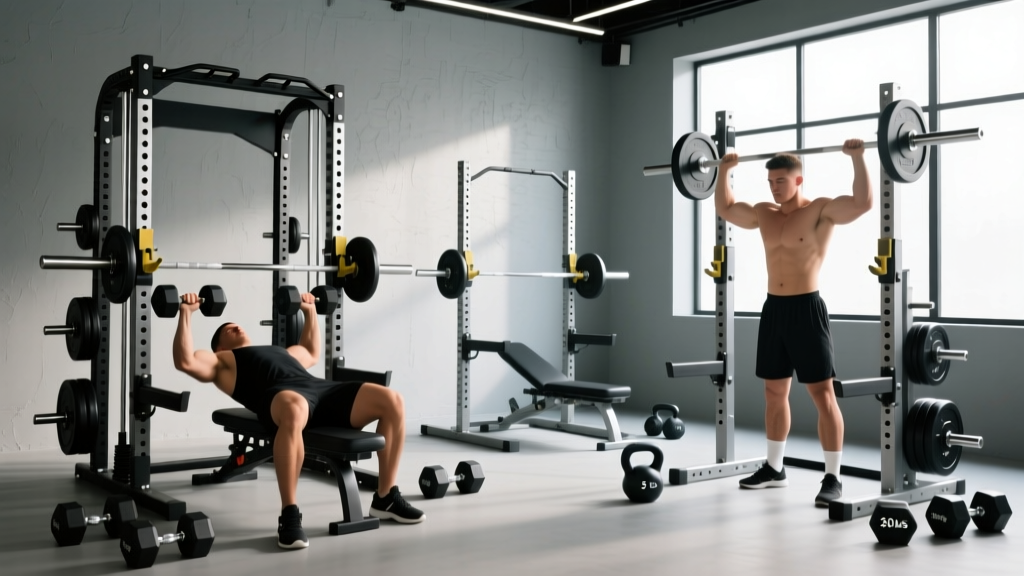
Power Rack vs Squat Rack vs Stand: Your 5 Day Dumbbell Workout Split

Quick Full Body Dumbbell Workout Mistakes: Olympic vs Standard Plates
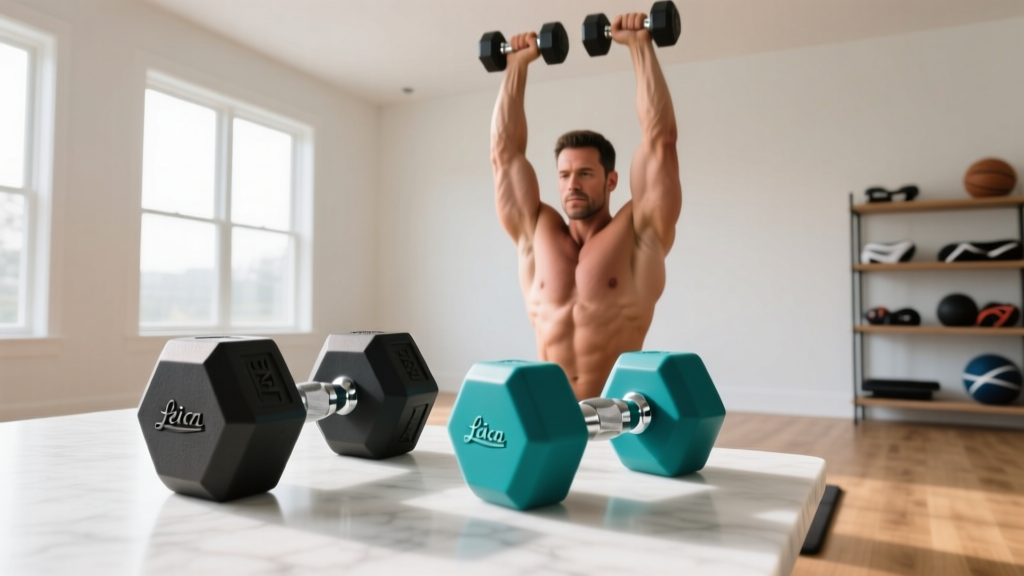
Tricep Extension Dumbbell Form: Rubber Hex vs Urethane Value
