
Dumbbell Row to Tricep Kickback: Adjustable Weight Mistakes & Fixes
Master the dumbbell row to tricep kickback transition. We troubleshoot common adjustable dumbbell mistakes, mechanism jams, and review top 2026 models.

The Biomechanical Stress of the Row-to-Kickback Transition
Combining a pulling motion with an isolation extension is a staple of efficient hypertrophy programming. The dumbbell row to tricep kickback superset keeps the torso hinged while targeting the latissimus dorsi and the triceps brachii in rapid succession. However, when performing this dynamic transition with adjustable dumbbells, lifters frequently encounter mechanical and form-based failures that compromise both the workout and the equipment.
Unlike fixed hex dumbbells, adjustable models feature moving parts, locking pins, and specialized grips. The transition from a heavy, momentum-generating row to a strict, slow-eccentric kickback places unique rotational torque and impact stress on these mechanisms. In this comprehensive troubleshooting guide and adjustable dumbbell review, we dissect the most common mistakes lifters make with adjustable weights during this specific superset and provide actionable fixes to protect your gear and your joints.
Expert Insight: According to biomechanical data from the ExRx Exercise Directory, the bent-over row requires significant spinal stabilization and grip endurance. Transitioning immediately into a Triceps Kickback demands an immediate shift from gross motor pulling to fine motor isolation, a shift that exposes flaws in both equipment design and user technique.
Top Adjustable Dumbbells Reviewed for Dynamic Hinging
Not all adjustable dumbbells are created equal when subjected to the rigors of superset transitions. Here is how the top 2026 models handle the stress of the row-to-kickback complex.
1. Nuobell 80lb Adjustable Dumbbells (MSRP: $349)
The Nuobell 80lb is widely considered the gold standard for adjustable dumbbells due to its authentic knurled steel handle and rapid twist-adjustment mechanism. During a bent-over row, the 1.3-inch handle diameter allows for a secure, hook-style grip, reducing forearm fatigue. However, during the tricep kickback phase, the wrist naturally wants to rotate. Because the Nuobell relies on a twist-lock safety mechanism, aggressive wrist supination at the peak of the kickback can cause the internal O-rings to grind if the user applies uneven lateral pressure. Fix: Maintain a strictly neutral wrist during the kickback extension to preserve the internal locking pins.
2. Bowflex SelectTech 552 (MSRP: $399)
The Bowflex 552 remains a home gym staple, offering 5-52.5 lbs in 2.5 lb increments. Its contoured plastic handle is comfortable for high-rep kickbacks, but the bulky plastic dial housing is a major vulnerability. Lifters frequently rest the dumbbell on their thigh to 'park' it while resetting their torso between the row and the kickback. This thigh-resting habit puts direct impact force on the plastic dials, leading to hairline fractures and jammed weight plates.
3. PowerBlock Elite USA (MSRP: $279 - $319)
PowerBlocks are virtually indestructible. The welded steel cage will never crack if dropped or rested on the thigh during a heavy row. However, the rectangular cage geometry severely restricts wrist movement. When transitioning to the tricep kickback, the cage often presses against the forearm at the top of the extension, artificially limiting the range of motion and reducing long-head tricep activation by up to 15%.
Common Mistakes and Troubleshooting Guide
When executing the dumbbell row to tricep kickback, equipment failure is rarely a manufacturing defect; it is usually the result of improper handling. Below are the most frequent errors and their mechanical solutions.
Mistake 1: Thigh-Resting the Adjustment Mechanism
- The Error: After completing a heavy set of rows, the lifter drops the dumbbell onto their quadricep to shake out their grip before starting the kickbacks. If using dial-based adjustable dumbbells (like Bowflex or Core Home Fitness), the impact forces the dial out of its seated groove.
- The Symptom: The dumbbell rattles during the kickback, or the dial refuses to turn when attempting to change weight for the next superset.
- The Fix: Always return the dumbbell to its cradle or a flat bench between the row and the kickback. If you must rest it on your body, rest the steel handle or the flat end-cap against your thigh, never the adjustment dial.
Mistake 2: Momentum-Induced Plate Shifting
- The Error: Using a 'kipping' motion or excessive hip drive to jerk the weight up during the row, then aggressively stopping the momentum to transition into the kickback. The sudden deceleration causes the internal locking pins of adjustable dumbbells to bounce against the weight plate notches.
- The Symptom: A loud metallic clack during the transition, followed by a feeling of 'loose' weight on one side of the handle.
- The Fix: Implement a strict 1-second pause at the peak of the row contraction. This not only maximizes latissimus dorsi engagement but allows the adjustable dumbbell's internal locking mechanism to fully settle before you rotate your wrist into the kickback position.
Mistake 3: Grip Interference During Tricep Isolation
- The Error: Failing to adjust hand placement for the second half of the superset. The grip required for a heavy row (fingers wrapped deep, thumb locked) is suboptimal for a kickback, where the dumbbell should rest lightly against the palm to allow full elbow extension.
- The Symptom: Forearm cramping during the kickback, or the adjustable dumbbell cage/housing digging into the wrist joint.
- The Fix: As you transition from the row to the kickback, consciously loosen your grip. Slide the dumbbell slightly down the fingers so the center of mass aligns perfectly with the triceps brachii line of pull, minimizing grip fatigue and preventing the adjustable housing from scraping your forearm.
Adjustable Dumbbell Comparison Matrix
Use this matrix to select the right adjustable dumbbell based on how you prioritize the row-to-kickback transition.
| Feature | Nuobell 80lb | Bowflex 552 | PowerBlock Elite |
|---|---|---|---|
| Handle Type | Knurled Steel (Authentic) | Contoured Plastic/Rubber | Welded Steel Cage |
| Kickback Wrist Clearance | Excellent (No housing interference) | Good (Bulky ends may brush forearm) | Poor (Cage limits full extension) |
| Row Impact Durability | High (Steel core) | Low (Plastic dials crack if dropped) | Maximum (Indestructible cage) |
| Weight Increments | 5 lbs | 2.5 lbs | 2.5 lbs (with adder kit) |
| Best For... | Purists wanting fixed-dumbbell feel | Rehab & micro-loading tricep work | Heavy, aggressive rowing complexes |
Maintenance Protocols for Longevity
Adjustable dumbbells require specific maintenance to survive high-volume superset training. The transition from a sweaty, chalk-heavy row to a precision kickback introduces moisture and debris into the equipment.
⚠️ Warning: Chalk and Twist Mechanisms
If you use lifting chalk for your heavy dumbbell rows, you must wipe down the handles before adjusting the weight for your tricep kickbacks. Chalk dust acts as an abrasive paste. When it enters the twist mechanism of a Nuobell or the dial track of a Bowflex, it accelerates the degradation of the internal plastic gears and O-rings, leading to catastrophic failure where the weight plates detach during an overhead or extension movement.
Furthermore, never store your adjustable dumbbells in a damp garage or basement. The internal locking pins are typically made of untreated steel to maintain tight tolerances. Rust formation on these pins will cause them to stick, meaning the dumbbell will fail to lock securely when you pick it up for your next row-to-kickback superset. A quick spray of dry PTFE lubricant (never WD-40, which attracts dust) on the guide rods every six months will ensure smooth, silent transitions for years to come.
Final Thoughts on Form and Equipment
The dumbbell row to tricep kickback is an incredibly time-efficient superset that demands respect for both biomechanics and equipment limitations. By understanding how your specific adjustable dumbbells handle rotational torque, impact, and grip geometry, you can troubleshoot common errors before they result in broken gear or stalled progress. Choose the model that aligns with your training intensity, respect the mechanical limits of the adjustment dials, and focus on a strict, momentum-free transition to maximize hypertrophy in both the back and the arms.
More gear to consider
All reviews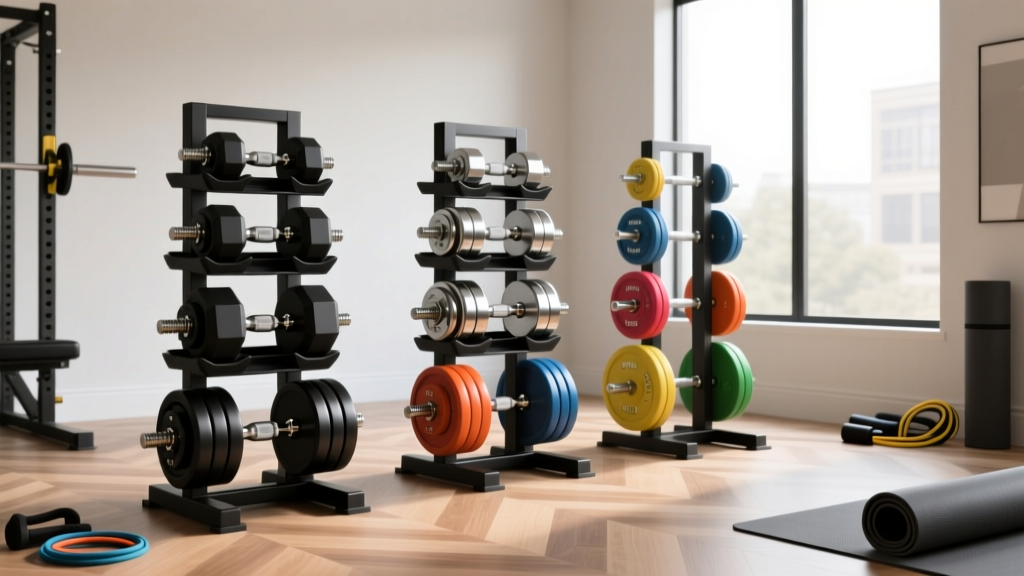
Best Dumbbell Racks: Organize Gear and Your Dumbbell Workouts Chart

EZ Curl Bar vs Straight Bar & Dual Dumbbell Front Squat Guide
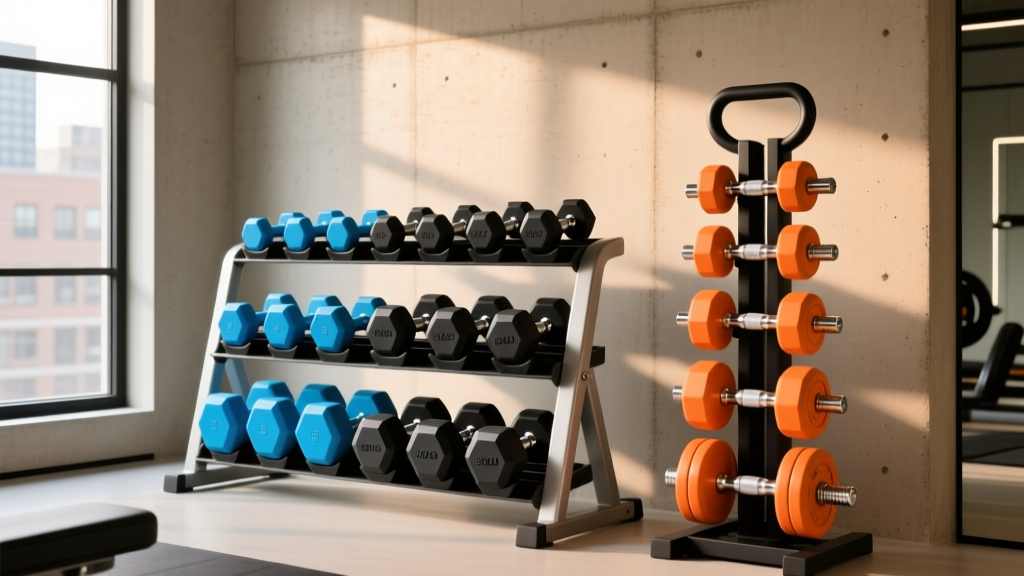
Organizing Your Dumbbell Core: 2026 Rack & Storage Trends
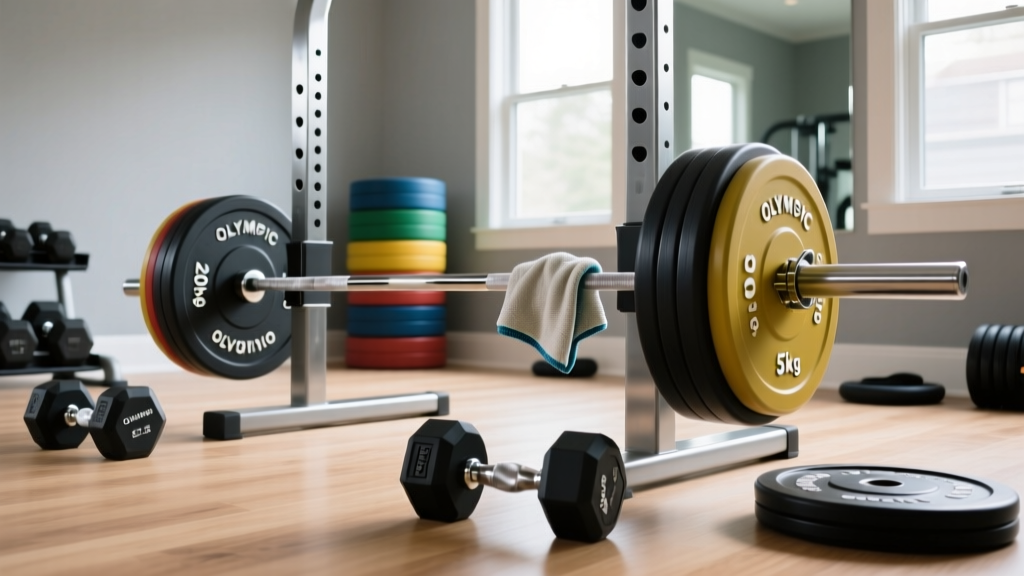
Barbell Setup: Weight, Knurling & Do You Clean Dumbbells at the Gym?

Power Rack vs Squat Rack vs Stand: Dumbbell Drawing Space
