
Rubber Hex vs Urethane: Are Adidas Dumbbells Worth the Cost?
We break down the true cost of rubber hex vs urethane dumbbells, analyzing if adidas dumbbells offer long-term value or if premium urethane wins.

The 2026 Home Gym Economy: Budget vs. Legacy Gear
Building a home gym in 2026 requires a strategic approach to capital allocation. With supply chain stabilizations and new manufacturing hubs coming online, the fitness equipment market has bifurcated into ultra-budget imports and premium commercial-grade assets. When outfitting your free weight zone, the most common crossroads lifters face is the classic rubber hex dumbbell vs urethane dumbbell debate. Specifically, many budget-conscious lifters are eyeing branded sporting goods options, asking a critical question: Are adidas dumbbells (and their licensed rubber hex counterparts) a smart financial move, or does premium urethane offer superior long-term ROI?
In this comprehensive budget breakdown and value analysis, we dissect the material science, depreciation rates, and real-world failure modes of synthetic rubber hex dumbbells versus cast urethane. Whether you are outfitting a commercial facility or a humid garage gym, understanding the true cost-per-pound and lifespan of these materials is essential for protecting your investment.
Material Science: Synthetic Rubber vs. Cast Urethane
To understand the value proposition, we must first look at the polymers. The distinction between a standard rubber hex dumbbell and a urethane dumbbell is not merely cosmetic; it is a fundamental difference in chemical engineering.
Synthetic Rubber (SBR/EPDM Blends)
Most budget-friendly rubber hex dumbbells, including many sporting goods store variants and licensed adidas dumbbells found in retail chains, utilize Styrene-Butadiene Rubber (SBR) or EPDM blends. These materials are poured into molds around a steel core. While they offer excellent shock absorption and floor protection, they are susceptible to UV degradation, thermal expansion, and off-gassing (the release of Volatile Organic Compounds, or VOCs, which causes that notorious 'new tire' smell).
Cast Urethane (CPU)
Urethane is a high-performance elastomer. According to material science analyses featured in fitness industry publications like BarBend's comprehensive dumbbell guides, urethane boasts a significantly higher tensile strength and abrasion resistance than synthetic rubber. It is virtually impervious to UV rays, sweat acids, and extreme temperature fluctuations, making it the undisputed king of commercial gym floors.
Expert Insight: The Shore Hardness scale measures elastomer firmness. Budget rubber hex dumbbells typically sit around 85A-90A, feeling slightly spongy. Premium urethane dumbbells are often poured at 90A-95A, providing a dense, 'dead-bounce' impact that protects both the internal steel core and your flooring upon impact.
Adidas Rubber Hex Dumbbells: The Budget Breakdown
Let us examine the financials of the budget tier. Branded fitness gear, such as the rubber hex lines associated with adidas dumbbells (often manufactured via licensed fitness distribution partners), targets the entry-level to intermediate home gym demographic.
- Average Cost Per Pound (2026): $1.50 - $2.10
- Handle Specifications: Typically 32mm to 33mm diameter, chrome-plated steel with a moderate, passive knurl pattern.
- Head Construction: Virgin or recycled SBR rubber molded over a solid cast iron or steel core.
- Best Use Case: Climate-controlled indoor home gyms, light-to-moderate commercial use, and rehabilitation studios.
The primary value proposition here is the low barrier to entry. A 50-pound pair of adidas-branded or similar retail rubber hex dumbbells can often be acquired for under $160. For a lifter just starting out, or someone who needs a dedicated set for high-rep metabolic conditioning where dropping the weights is unlikely, the upfront capital required is minimal.
Premium Urethane Dumbbells: The Long-Term Asset
On the other end of the spectrum sits premium urethane. Brands like Rogue Fitness and Rep Fitness dominate this space. As noted in Rogue's official urethane dumbbell specifications, these are engineered for 24/7 commercial abuse.
- Average Cost Per Pound (2026): $3.50 - $4.80
- Handle Specifications: 34mm to 35mm diameter, often featuring aggressive, deep knurling with hard chrome or Cerakote finishes.
- Head Construction: High-density CPU (Cast Polyurethane) with precision-machined steel cores and welded handles.
- Best Use Case: Unregulated garage gyms, outdoor training spaces, CrossFit affiliates, and heavy-drop environments.
While a 50-pound pair of Rogue Urethane dumbbells will push past the $350 mark, you are purchasing an asset with a near-zero depreciation curve over a 10-year period. Furthermore, reviews from outlets like Men's Health consistently highlight urethane's lack of odor and premium grip aesthetics as major quality-of-life upgrades for home gym owners.
5-Year Value & Depreciation Matrix
To truly understand the budget breakdown, we must calculate the 5-year cost of ownership, factoring in potential replacement needs due to environmental degradation.
| Metric | Budget Rubber Hex (e.g., Adidas/Retail) | Premium Urethane (e.g., Rogue/Rep) |
|---|---|---|
| Initial Cost (50lb Pair) | $150 - $190 | $350 - $420 |
| UV / Heat Resistance | Low (Degrades in direct sun/high heat) | Exceptional (Impervious to UV) |
| Odor / Off-Gassing | Moderate to High (Weeks to dissipate) | None (Odorless after 48 hours) |
| 5-Year Replacement Risk | 35% (If stored in non-climate-controlled garage) | < 2% (Cosmetic scratching only) |
| Estimated 5-Yr Cost | $150 - $340 (Potential replacement needed) | $350 - $420 (One-time purchase) |
Real-World Failure Modes & Edge Cases
When conducting a value analysis, we must look at how these tools actually break. The failure modes of rubber hex vs urethane dumbbells are vastly different and heavily dependent on your training environment.
The 'Garage Gym Summer' Effect
If your home gym is an uninsulated garage in the American South or Midwest, summer temperatures can easily exceed 110°F (43°C). Synthetic rubber expands and contracts with thermal cycling. Over 3 to 4 summers, this causes the rubber to pull away from the steel core insert. Once the seal is broken, ambient humidity and sweat penetrate the core, leading to internal rust that eventually causes the dumbbell head to rattle or detach entirely. Urethane, however, maintains structural integrity across a temperature range of -40°F to 180°F.
The Drop Test Reality
Rubber hex dumbbells feature sharp, 90-degree corners. When dropped from shoulder height onto a hard surface, the kinetic energy is concentrated entirely on that thin rubber edge. The rubber will eventually slice or tear, exposing the cast iron beneath. Urethane dumbbells are often designed with beveled or rounded edges, and the material's high tear strength allows it to absorb and disperse the impact energy without splitting.
Warning: Solvent Degradation
Never clean synthetic rubber hex dumbbells with harsh chemical solvents, bleach, or alcohol-based cleaners. These chemicals break down the sulfur bonds in the vulcanization process, turning the rubber sticky and brittle. Urethane can withstand mild disinfectants and standard gym wipes without degrading the polymer matrix.
Maintenance Protocols for Maximum Lifespan
If you opt for the budget-friendly route with adidas-branded or generic rubber hex dumbbells, strict maintenance is required to protect your investment and stretch its lifespan to match urethane.
- Climate Control: Store rubber dumbbells in a climate-controlled environment. If they must live in a garage, keep them out of direct sunlight and cover them with a heavy canvas tarp during peak summer months.
- Proper Cleaning: Use only a damp microfiber cloth with a mild dish soap solution to wipe down the rubber heads. Dry them immediately to prevent moisture from pooling near the steel handle junction.
- Handle Care: The chrome handles on budget dumbbells are prone to oxidation from sweat. Brush them with a stiff nylon brush after every session and apply a light coat of 3-in-One oil or mineral oil once a month to prevent rust.
- Use Drop Pads: While rubber protects your floor, it does not protect itself. If you are performing heavy dumbbell floor presses or renegade rows, use a dedicated EVA foam mat to prevent the hex edges from micro-tearing.
Final Verdict: Allocating Your Fitness Budget
So, where should your money go? The decision between a rubber hex dumbbell vs urethane dumbbell ultimately hinges on your environment and your training style.
Buy Rubber Hex (Adidas / Retail Brands) If: You are on a strict sub-$500 budget for a full set, your gym is indoors and climate-controlled, and your training consists primarily of controlled hypertrophy work where the dumbbells are placed down gently rather than dropped. The upfront savings are undeniable, and with proper care, they will last for years.
Buy Premium Urethane If: You are building a 'buy-it-for-life' garage gym, you train outdoors, you live in a high-humidity or extreme-temperature environment, or you frequently drop your weights from overhead or shoulder height. The 100% premium you pay upfront for urethane buys you total immunity to environmental degradation, zero off-gassing, and a premium tactile experience that budget rubber simply cannot replicate.
In the modern fitness economy, value is not just about the lowest price tag on the shelf; it is about the cost per use over a decade. Choose the polymer that matches your environment, and your free weight rack will serve you for a lifetime.
More gear to consider
All reviews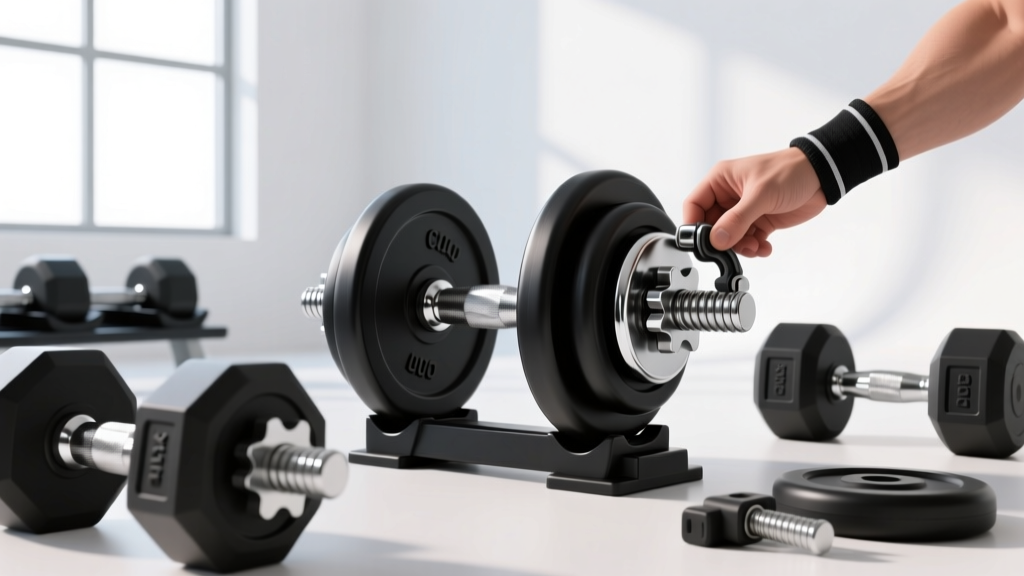
Collar & Clamp Types: Safe Gear for a Full Dumbbell Chest Workout
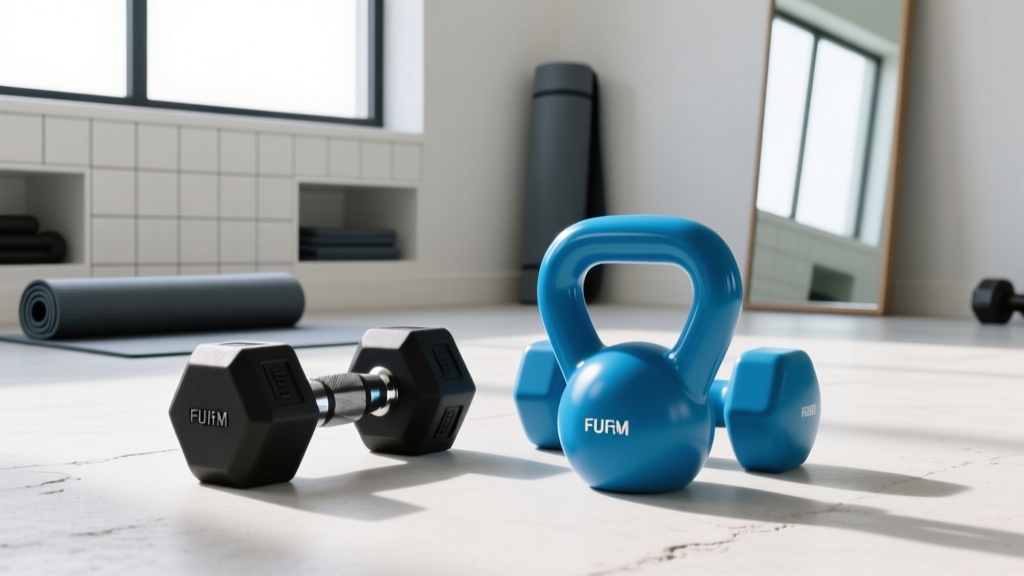
Rubber Hex vs Urethane: Best Gear for a Dumbbell Deltoid Workout

Dumbbell Only Workout Split Reddit Limits: Barbell Collar Setup Guide

Olympic Barbell Knurling Guide & Flat Bench Dumbbell Flye Setup

Barbell Collar vs Clamp: Securing Lifts Beyond a Dumbbell Squat GIF
