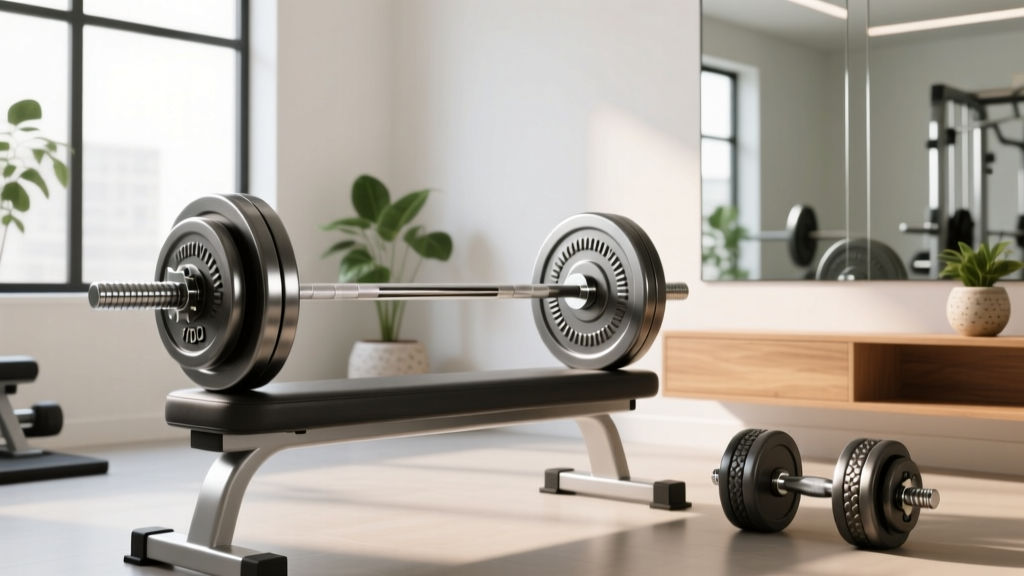
100lb Dumbbell Bench Press Plateaus: Olympic Barbell Knurling Guide
Transitioning from a 100lb dumbbell bench press to barbells? Avoid common buying mistakes regarding Olympic barbell weight, whip, and knurling profiles.

The 100lb Dumbbell Bench Press Plateau: Why Barbell Choice Matters
Achieving a strict 100lb dumbbell bench press is a monumental milestone in upper-body strength. It requires immense rotator cuff stabilization, independent arm tracking, and a vice-like grip. However, many lifters who conquer the 100lb dumbbell bench press eventually transition to—or supplement with—heavy Olympic barbell benching to break through absolute load plateaus. This is where a critical, often expensive mistake occurs: buying the wrong Olympic barbell.
When moving from the rigid, compact handles of heavy dumbbells to a 7-foot Olympic barbell, lifters frequently ignore barbell weight distribution, shaft whip, and knurling aggressiveness. As of 2026, the market is flooded with hybrid bars that claim to do everything but fail under maximal pressing loads. This troubleshooting guide dissects the most common mistakes lifters make when selecting an Olympic barbell for heavy benching, specifically focusing on weight dynamics and knurling profiles.
Mistake #1: Confusing Weightlifting 'Whip' with Powerlifting Stiffness
The most jarring transition from a 100lb dumbbell bench press to a barbell is the oscillation of the bar. Dumbbells are rigid; the weight moves exactly where your hands dictate. Olympic barbells, however, bend and whip based on their shaft diameter and tensile strength.
⚠️ Troubleshooting Warning: If your barbell feels unstable at the bottom of a heavy press, or your wrists deviate outward during the concentric drive, you are likely using a 28mm Olympic Weightlifting bar. The 'whip' designed for the snatch and clean & jerk creates energy leaks during heavy, slow-tempo bench presses.According to standard barbell specifications, Olympic weightlifting bars feature a 28mm shaft to allow for grip compression and whip. Powerlifting and heavy pressing bars utilize a 29mm or 28.5mm shaft for rigidity. When you are pressing loads that rival or exceed your 100lb dumbbell bench press max (e.g., barbell loads of 225lbs to 315lbs+), a 28mm shaft will oscillate, destabilizing your lockout and increasing shoulder injury risk.
Mistake #2: Misunderstanding Knurling Profiles
When you grip a 100lb hex or urethane dumbbell, the handle is typically thick and aggressively knurled to prevent the bell from slipping out of your sweating palms during the eccentric descent. Many commercial gym barbells feature what is known as a 'Hill' or 'Passive' knurl—smooth, shallow grooves that feel comfortable for high-rep bicep curls but become ice rinks during a heavy, chalked-up bench press.
The Three Knurling Mountains
To troubleshoot grip slip, you must understand the geometry of barbell knurling. Here is how the industry classifies the cuts:
| Knurl Profile | Geometry & Feel | Best Application | Example Model |
|---|---|---|---|
| Hill (Passive) | Rounded peaks, shallow valleys. Mild on the skin. | High-rep Olympic lifting, beginner bars. | Generic Commercial Gym Bars |
| Mountain (Aggressive) | Sharp, pointed peaks. Bites deeply into calluses. | Heavy deadlifts, powerlifting. | Texas Power Bar |
| Volcano (Optimal) | Peaks are 'cratered' at the top, providing massive surface area without tearing skin. | Heavy bench press, everyday training. | Rogue Ohio Bar, Kabuki NGPB |
For lifters transitioning from heavy dumbbell work, a Volcano knurl is non-negotiable. It provides the aggressive grip security needed to manage heavy eccentric loads without shredding your palms during high-volume hypertrophy blocks. You can explore premium volcano-knurled options in Rogue's extensive barbell lineup, which remains the industry benchmark for consistent knurl depth.
Mistake #3: The Center Knurl Dilemma for Heavy Benchers
A frequent troubleshooting complaint among advanced lifters is chest abrasion and acne mechanica (friction-induced breakouts) during high-volume barbell benching. The culprit? The center knurl.
"If your primary goal is maximizing your bench press and you rarely low-bar squat, buying a bar with an aggressive center knurl is a massive mistake. It will tear through your shirts and irritate your sternum during heavy pressing sessions."
While a center knurl is mandated for IPF competition squats to prevent the bar from sliding on the back, it serves zero purpose on the bench press. Many premium 'power bars' now offer a 'no center knurl' or 'passive center knurl' variant specifically for lifters who prioritize the bench press and overhead press.
Troubleshooting Your Grip: Dumbbell to Barbell Transition
If you are struggling to replicate the stability of your 100lb dumbbell bench press on a barbell, run through this diagnostic checklist:
- Check Your Wrist Stacking: Dumbbells naturally force a neutral or slightly pronated wrist. On a barbell, lifters often let the wrist extend backward, causing joint pain. Ensure the bar rests directly over the radius bone.
- Evaluate Bar Diameter: If you have smaller hands, a 29mm power bar might feel like gripping a log compared to a dumbbell handle. Consider a 28.5mm hybrid bar (like the Rogue Ohio Bar) for a better lock.
- Chalk and Knurl Interaction: If you are using liquid chalk on a 'Hill' knurl, it will create a slick paste. Switch to block magnesium carbonate chalk and upgrade to a volcano knurl bar.
- Address the Whip: If the bar bounces off your chest uncontrollably, you are experiencing bar oscillation. You must either slow your eccentric descent to 2.5 seconds or upgrade to a stiffer 29mm shaft.
2026 Barbell Buying Matrix: Weight, Knurl, and Price
To eliminate guesswork, here is a data-driven comparison of the top Olympic barbells for heavy benching and pressing, reflecting current 2026 market pricing and specifications.
| Barbell Model | Shaft Diameter | Knurl Type | Center Knurl? | Est. Price (2026) |
|---|---|---|---|---|
| Rogue Ohio Bar (Stainless) | 28.5mm | Volcano (Dual) | No | $395.00 |
| Kabuki Strength NGPB | 29.0mm | Aggressive Volcano | Yes (Mild) | $330.00 |
| Eleiko Sport Training Bar | 28.0mm | Hill (Mild) | No | $1,150.00 |
| Rep Fitness PR-11 V2 | 28.5mm | Volcano | No | $249.00 |
Note: The Kabuki New Generation Power Bar (NGPB) is widely considered the gold standard for pure pressing stiffness, while the Rogue Ohio Bar offers the best hybrid utility for lifters who also incorporate Olympic movements. For deep-dive specs on the NGPB's unique knurling depth, review the official Kabuki Strength engineering breakdown.
Final Verdict: Matching the Bar to Your Pressing Goals
Conquering the 100lb dumbbell bench press proves you have the stabilizer strength and raw muscle to move serious weight. Do not sabotage that hard-earned strength by pressing on a whippy, passive-knurled barbell. When shopping for an Olympic barbell to complement your heavy pressing, prioritize a 28.5mm or 29mm shaft for rigidity, demand a volcano knurl profile for grip security, and carefully consider whether a center knurl aligns with your training splits. By troubleshooting these equipment variables, your barbell bench press will finally catch up to your elite dumbbell strength.
More gear to consider
All reviews
Kettlebell Care: Cast Iron vs Competition & Chest with Dumbbells Gear

Nike Dumbbells vs Olympic & Standard Weight Plates: 2026 Guide

EZ Curl Bar vs Straight Bar & Dumbbell Side Lunges Space Guide
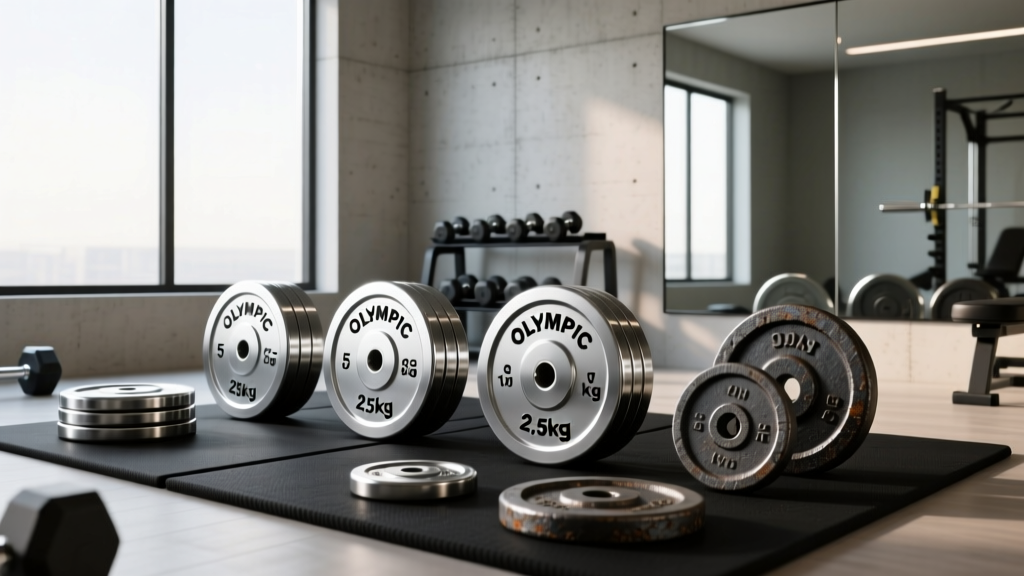
Olympic vs Standard Plates: Beyond the Dumbbell Ice Cream Trend

Best Neoprene Dumbbells for a Back Fat Workout: 2026 Matchup
