
Best Flexibility Recovery Tools & Stretching Equipment Guide 2026
Discover the best flexibility recovery tools and stretching equipment for 2026. Compare top brands, pricing, and features to improve your mobility.

The Biomechanics of Assisted Stretching vs. Solo Static Holds
When building a comprehensive recovery stack, athletes often prioritize percussive therapy and compression while neglecting the most critical component of long-term joint health: targeted flexibility. While foam rolling addresses superficial myofascial adhesion, true range of motion (ROM) improvements require mechanical tension applied across the muscle belly and tendon junction. According to the Cleveland Clinic, consistent, assisted stretching not only improves functional mobility but significantly reduces the risk of tendinopathies and muscle strains in aging populations and heavy lifters alike.
The primary advantage of dedicated flexibility recovery tools over solo static stretching is the ability to leverage autogenic inhibition. By utilizing equipment that allows you to safely push past the initial myotatic stretch reflex, you engage the Golgi Tendon Organs (GTO). Research published by the National Center for Biotechnology Information (NCBI) confirms that Proprioceptive Neuromuscular Facilitation (PNF) and mechanically assisted stretching yield significantly greater acute and chronic ROM gains compared to unassisted static holds. In 2026, the market for stretching equipment has evolved from rudimentary straps to biomechanically engineered machines that isolate specific muscle chains with precision.
Information Gain: The 30-Second Tension Threshold
Most home users fail to see flexibility gains because they release tension too early. Biomechanical stretching tools allow you to lock into a position, removing the neurological fatigue of "holding" the stretch. To trigger the GTO response and induce plastic deformation in the fascia, you must maintain the assisted stretch for a minimum of 30 to 45 seconds per set, repeated for 3 to 5 cycles. Equipment that features ratcheting or cam-lock mechanisms is vastly superior to simple nylon straps for achieving this threshold.
2026 Comparison Matrix: Premium & Budget Flexibility Recovery Tools
Below is our curated comparison of the most effective stretching equipment available this year, categorized by their primary biomechanical target and price-to-performance ratio.
| Equipment Model | Type | Price Range | Best Target Area | Primary Drawback |
|---|---|---|---|---|
| Precor StretchTrainer | Full-Body Assisted Machine | $2,195 | Hips, Hamstrings, Lats | Large footprint (46" x 32") |
| Teeter FitSpine X3 | Inversion Table | $399 | Spinal Decompression | Contraindicated for hypertension |
| Century Versaflex | Leverage Leg Stretcher | $199 | Adductors, Quads, Calves | Seat padding is relatively thin |
| Medi-Dyne ProStretch | Biomechanical Rocker | $35 | Achilles, Plantar Fascia | Single-joint isolation only |
Deep Dive: Evaluating the Best Flexibility Recovery Tools
1. Precor StretchTrainer (The Biomechanical Gold Standard)
For users with the budget and floor space, the Precor StretchTrainer remains the undisputed king of home flexibility recovery tools in 2026. Unlike makeshift strap systems, the StretchTrainer utilizes a patented cam and pulley system that guides your body through eight specific, orthopedically designed stretching positions. The ergonomic seat and backrest ensure your spine remains neutral while you isolate the hip flexors, hamstrings, adductors, and latissimus dorsi.
- Information Gain: The machine's angled seat specifically targets the psoas major, a deeply seated hip flexor that is notoriously difficult to stretch effectively with standard lunges.
- Build Quality & Failure Modes: The 5-year frame warranty is robust. However, a known edge case for heavy daily users (30+ minutes a day) is the compression of the high-density foam seat cushion after roughly 3 to 4 years, which may require an aftermarket upholstery refresh.
2. Teeter FitSpine X3 (Spinal Decompression & Traction)
Inversion therapy is a highly specialized form of recovery targeting spinal health and lower back decompression. The Teeter FitSpine X3 features a FlexTech bed that contours to the spine, allowing for a 5-to-12-degree inversion angle that gently separates the vertebrae, rehydrating the intervertebral discs. According to the Mayo Clinic, while inversion tables do not cure herniated discs, they provide significant temporary relief from compressive back pain and muscle spasms.
- Crucial Safety Warning: Inversion therapy increases intraocular and intracranial pressure. It is strictly contraindicated for individuals with glaucoma, uncontrolled hypertension, or a history of stroke.
- Hardware Specifics: The X3 utilizes a ratcheting ankle lock system. Users with very narrow ankles (under 8 inches in circumference) must ensure the secondary safety tether is tightly secured, as the primary ratchet can slip during full 60-degree inversions if not calibrated correctly.
3. Century Versaflex Martial Arts Stretcher
Originally designed for martial artists requiring extreme hip mobility, the Century Versaflex has crossed over into mainstream athletic recovery. It features a central tension knob and padded leg supports that allow you to actively push your legs into a straddle (adductor stretch) or fold forward (hamstring stretch) using upper body leverage. Priced around $199, it offers a fraction of the cost of the Precor while delivering exceptional leverage for the lower extremities.
- Programming Tip: Use the Versaflex for PNF contracting-relaxing protocols. Push into a 7/10 tension stretch, contract your adductors inward against the pads for 6 seconds, relax, and immediately crank the tension knob one notch further. Repeat 4 times.
- Limitations: The seat base is bolted to a wide steel frame but lacks lumbar support, meaning users with existing lower back pain should place a small rolled towel behind their lumbar spine during forward-folding hamstring stretches.
4. Medi-Dyne ProStretch Original
Not all flexibility recovery tools require a massive footprint. The Medi-Dyne ProStretch is a clinically proven, rocker-bottom stretching device specifically engineered for the lower leg. By placing your foot on the 18-degree angled platform and leaning forward, you achieve a true, isolated stretch of the gastrocnemius, soleus, and plantar fascia without the compensatory pronation that occurs when stretching on a flat stair ledge.
- Best Use Case: Essential for runners dealing with Achilles tendinopathy or plantar fasciitis. The dual-slot design accommodates shoe sizes up to 14, allowing you to stretch while wearing supportive running shoes to prevent arch collapse during the stretch.
Decision Framework: Matching Equipment to Your Mobility Deficits
Do not purchase flexibility tools based on general popularity; buy them to solve specific biomechanical bottlenecks. Use this framework to guide your investment:
- Identify the Restriction: Are you limited by anterior pelvic tilt (tight hip flexors), poor squat depth (tight ankles/calves), or spinal compression (heavy axial loading from squats/deadlifts)?
- Select the Vector: For multi-joint chain restrictions (e.g., hamstrings + lower back), invest in the Precor StretchTrainer. For isolated joint capsule restrictions (e.g., ankle dorsiflexion), the ProStretch is sufficient.
- Assess Space & Budget: If you lack the 12-square-foot footprint required for a dedicated stretching machine, combine the Teeter FitSpine X3 (which folds flat against a wall) with a high-quality PNF stretching strap (like the OPTP Pro-Rocker) for a sub-$450 complete recovery station.
Frequently Asked Questions (FAQ)
How often should I use assisted stretching equipment?
For structural changes in fascia and tendon length, aim for 3 to 4 dedicated sessions per week, lasting 15-20 minutes each. However, spinal decompression on an inversion table can be done daily for 3-to-5-minute micro-sessions to manage axial fatigue.
Can I use these tools if I have joint replacements?
Assisted stretching tools apply mechanical leverage that can exceed safe ROM limits for artificial joints (especially total hip or knee replacements). Always consult your orthopedic surgeon before using leverage-based machines like the Century Versaflex or Precor StretchTrainer if you have prosthetic joints.
Are vibrating recovery tools better than stretching machines?
They serve entirely different purposes. Vibrating tools (like the Hyperice Vyper) target neurological down-regulation and blood flow in the muscle belly. Stretching machines target the mechanical lengthening of the muscle-tendon unit and joint capsule. For optimal 2026 recovery protocols, use vibration for 3 minutes to prep the tissue, followed immediately by 10 minutes of assisted mechanical stretching.
More gear to consider
All reviews
Theragun vs Hyperice Layouts: Is Massage Gun Safe for Pregnancy?

Longevity Guide: Home Ice Baths, Cold Plunges & Massage Gun Tools
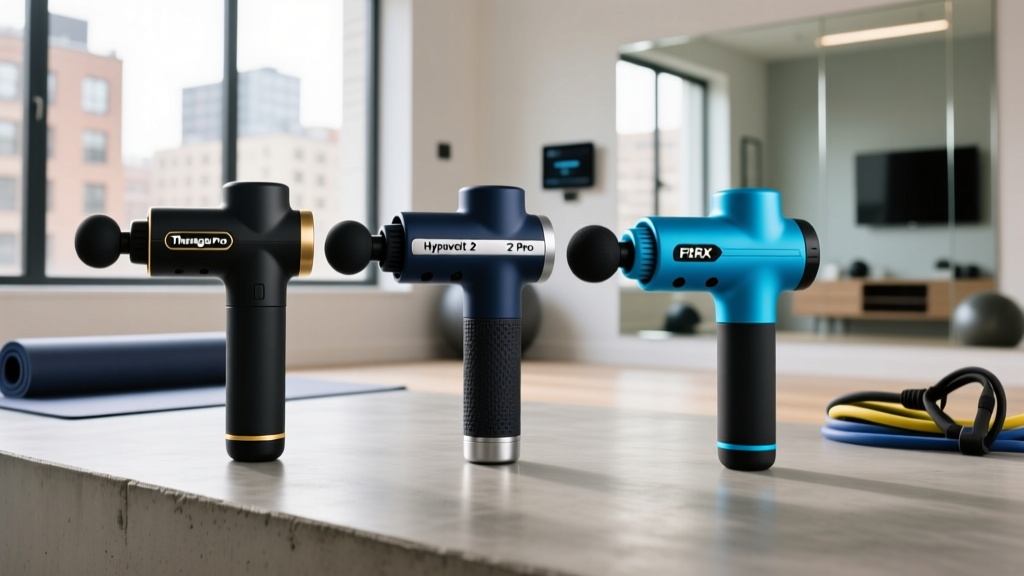
Theragun vs Hyperice vs FitRx Massage Gun: 2026 Expert Review

Best Tools Guns: Precision, Power, and Reliability for Professional Equipment Recovery

Beyond the SMS Massage Gun: Infrared Sauna Blanket Troubleshooting Guide
