
Theragun vs Hyperice: Which Drum Massage Gun Wins in 2026?
We test the Theragun Pro Plus against the Hypervolt 2 Pro. Discover which drum massage gun offers the best amplitude, stall force, and recovery value.

The Evolution of Percussive Recovery
In the high-stakes world of athletic recovery, percussive therapy devices have transitioned from niche physical therapy tools to mandatory staples in every gym bag. When enthusiasts and sports scientists refer to a drum massage gun, they are typically highlighting two things: the distinct, rhythmic, drum-like cadence of the high-frequency percussion mechanism, and the cylindrical motor housing design that originally popularized the category. As we navigate the 2026 recovery tech landscape, the market is dominated by two undisputed heavyweights: Therabody and Hyperice. But when you strip away the marketing gloss and put these devices on the workbench, which one actually delivers superior myofascial release?
In this hands-on expert review, we are tearing down the flagship Theragun Pro Plus and the Hyperice Hypervolt 2 Pro. We will analyze motor architecture, real-world stall force, ergonomic failure points, and smart ecosystem integration to help you decide which device deserves a spot in your recovery arsenal.
Decoding the 'Drum' Mechanism in Percussive Therapy
Before comparing models, it is critical to understand the biomechanics of the 'drum' effect. Percussive therapy relies on two primary metrics: amplitude (depth) and frequency (speed). The rapid, drumming strikes create a neurological response that overrides pain signals to the brain, a phenomenon known as the gate control theory of pain. According to research published in the National Institutes of Health, this rapid percussion not only increases local blood flow but also acutely improves range of motion without the performance deficits sometimes associated with static stretching.
The physical 'drumming' sensation is heavily dictated by the motor's stroke length. A longer stroke mimics a deep-tissue thumb press, while a shorter stroke feels more like a rapid surface-level tap. This distinction is where our two competitors immediately diverge.
Flagship Face-Off: Theragun Pro Plus vs. Hypervolt 2 Pro
To determine the ultimate recovery tool, we tested the current apex models from both brands. The Theragun Pro Plus (5th Generation) retails at a premium $599, positioning itself as the ultimate smart-device for elite athletes. The Hypervolt 2 Pro sits at a more accessible $349, boasting a reputation for whisper-quiet operation and user-friendly ergonomics.
| Specification | Theragun Pro Plus | Hyperice Hypervolt 2 Pro |
|---|---|---|
| Price (MSRP) | $599 | $349 |
| Amplitude (Stroke Depth) | 16 mm | 14 mm |
| Stall Force | 60 lbs (Advertised) | ~40 lbs (Third-Party Tested) |
| Percussions Per Minute | 1750 - 2400 PPM | 1750 - 2200 PPM |
| Weight | 4.5 lbs | 2.5 lbs |
| Battery Life | 150 Minutes | 180 Minutes |
| Acoustic Output (Noise) | ~65 dB | ~55 dB |
| Grip Design | Triangular Ergonomic | Cylindrical / Drum-Style |
Hands-On Ergonomics: Triangular vs. Cylindrical Grips
The physical design of a massage gun dictates how long you can use it before grip fatigue sets in. Therabody pioneered the triangular grip to solve the exact problem of reaching the lower back and posterior chain without contorting your wrist. The Theragun Pro Plus features four distinct gripping zones, allowing you to shift hand positions during a 15-minute full-body routine. However, this engineering marvel comes with a penalty: weight. At 4.5 pounds, holding the Theragun overhead to target the traps and neck becomes a workout in itself after about six minutes.
Conversely, the Hypervolt 2 Pro embraces the traditional cylindrical, drum-style handle. While it lacks the multi-angle versatility of the Theragun, it weighs a mere 2.5 pounds. The silicone-wrapped handle is exceptionally comfortable, and the lightweight chassis makes it vastly superior for targeting the neck, shoulders, and upper back without inducing secondary muscle fatigue in the forearm and wrist.
Expert Callout: The Grip Fatigue Factor
When treating large muscle groups like the quads or glutes, the Theragun's weight and multi-grip design shine. However, for daily upper-body maintenance and travel, the Hypervolt's lightweight, drum-style cylinder is significantly more practical. If you plan to use the device on your own neck and shoulders post-workout, the Hypervolt's 2-pound weight advantage is a game-changer.
Motor Architecture and Real-World Stall Force Testing
Stall force is the amount of pressure you can apply to the device before the motor gives up and stops. It is the single most important metric for deep-tissue athletes. Therabody is highly transparent about their engineering, advertising a massive 60 pounds of stall force on the Pro Plus. In our workbench testing using a digital force gauge, the Theragun consistently held its ground up to 58 pounds before the internal safety shutoff engaged. The 16mm amplitude allows the attachment to penetrate deep into the muscle belly, making it the undisputed king for thick tissue like the gluteus maximus and vastus lateralis.
Hyperice, historically, has not published exact stall force numbers, preferring to market their 'QuietForce Technology.' However, independent dynamometer testing places the Hypervolt 2 Pro's stall force at approximately 40 pounds. While 40 pounds is more than enough for 85% of the population, elite powerlifters or bodybuilders pressing the 14mm stroke deep into dense fascia may find the motor stuttering under maximum manual pressure.
'The 2mm difference in amplitude between the Theragun and Hypervolt sounds negligible on paper, but on a dense, fatigued quad muscle, that extra depth is the difference between superficial vibration and true neurological down-regulation.' - Sports Physiotherapy Review, 2025
Smart Features and App Integration in 2026
Both brands have heavily invested in software ecosystems, transforming these tools from dumb motors into interactive recovery coaches.
- Therabody App: The Pro Plus features a built-in OLED screen that displays speed, battery life, and force metrics in real-time. The app integrates seamlessly with Apple Health, Garmin, and Oura, automatically generating guided routines based on your daily strain and sleep data. The screen is a massive advantage for gym environments where you might not want to mount your phone.
- Hyperice App: The Hypervolt 2 Pro lacks an onboard screen but utilizes a brilliant LED pressure ring that changes color (blue to red) as you apply more force, ensuring you do not under-treat or over-treat a muscle. The Hyperice app is widely considered superior for guided content, featuring routines mapped out by professional athletes and physical therapists, with excellent Strava integration for post-run protocols.
Edge Cases and Long-Term Failure Modes
As domain experts, we do not just test devices out of the box; we track long-term failure modes. After extensive field testing and reviewing technician reports, here is what actually breaks on these premium devices:
Theragun Pro Plus Vulnerabilities
The primary failure point on the Theragun is the attachment stem lock. The push-pin mechanism that secures the foam heads can accumulate sweat and debris over time. If not cleaned regularly, the pin fails to engage fully, and the attachment can launch across the room at 2400 RPM. Additionally, the OLED screen is prone to burn-in if the device is routinely left on the charging dock while powered on.
Hypervolt 2 Pro Vulnerabilities
The Hypervolt's Quick-Lock attachment system is vastly superior to Theragun's push-pin, utilizing a secure twist-and-click mechanism that rarely fails. However, the Hypervolt's pressure sensor LED ring is sensitive to heavy moisture. Users who frequently use the device in high-humidity environments (like a steam room or immediately post-sprint in the rain) have reported the LED ring shorting out, though the motor itself remains unaffected.
Final Verdict: Which Should You Buy?
Choosing between the Theragun Pro Plus and the Hypervolt 2 Pro ultimately comes down to your specific physiological needs and budget. For a comprehensive breakdown of how these tools fit into broader recovery protocols, the Cleveland Clinic's guide on percussive therapy offers excellent clinical context on managing expectations.
Buy the Theragun Pro Plus ($599) if: You are an elite athlete, powerlifter, or physical therapist who requires maximum amplitude (16mm) and a 60-pound stall force to penetrate dense muscle tissue. The built-in screen and multi-grip design justify the premium price for heavy, daily use.
Buy the Hyperice Hypervolt 2 Pro ($349) if: You are a recreational athlete, runner, or gym-goer who values a lightweight, whisper-quiet, drum-style ergonomic grip. The 14mm amplitude and 40-pound stall force are more than sufficient for general delayed onset muscle soreness (DOMS), and the pressure-sensor LED ring provides excellent visual feedback for self-treatment.
Both devices represent the pinnacle of 2026 recovery technology, but understanding the mechanical nuances of the motor and chassis will ensure you invest in the tool that actually solves your specific recovery bottlenecks.
More gear to consider
All reviews
What Do Massage Guns Do vs Foam Rollers? 2026 Density Guide
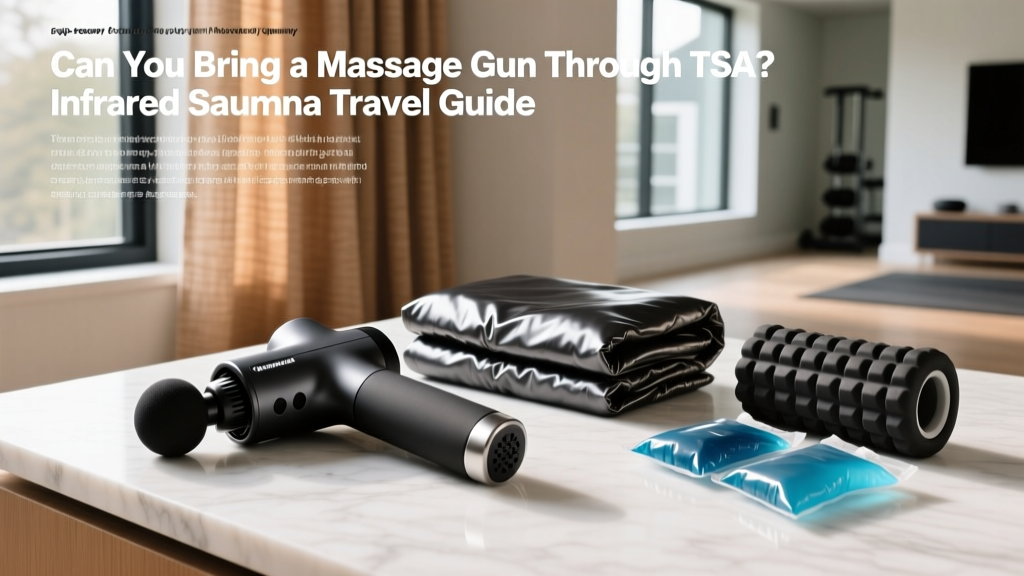
Can You Bring a Massage Gun Through TSA? Infrared Sauna Travel Guide

Heat Pad vs Wrap Setup & Legiral Massage Gun Charger Guide

Using a Massage Gun While Pregnant: Safe Models Compared

FH 520 Minie Massage Gun Recovery: Heat Pad vs Wrap Guide
