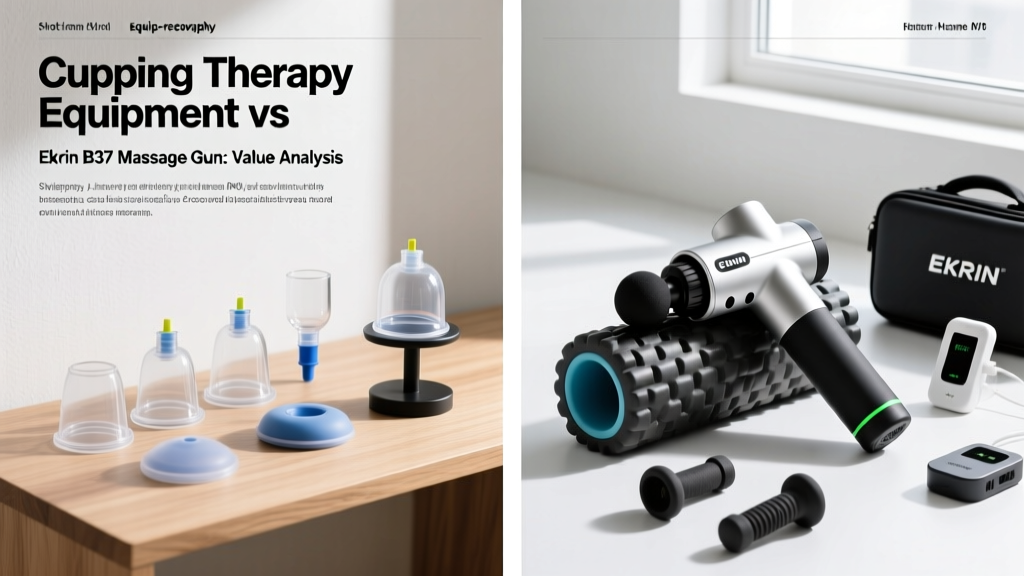
Cupping Therapy Equipment vs Ekrin B37 Massage Gun: Value Analysis
Compare the ROI of cupping therapy equipment for athletes against the Ekrin B37 massage gun. Explore costs, failure modes, and recovery value.

The Athlete's Recovery Dilemma: Decompression vs. Percussion
In the modern sports science landscape of 2026, athletic recovery has evolved far beyond basic static stretching and foam rolling. Two dominant modalities now occupy the lion's share of the at-home recovery budget: myofascial decompression (cupping) and percussive therapy. For athletes attempting to optimize their physical therapy routines while managing finite financial resources, the decision often comes down to a rigorous value analysis. Should you invest in specialized cupping therapy equipment for athletes, or does a premium percussion device like the Ekrin B37 massage gun offer a superior return on investment? This comprehensive budget breakdown dissects the upfront costs, hidden consumable expenses, physiological ROI, and long-term failure modes of both recovery pathways.
Budget Breakdown: Cupping Therapy Equipment for Athletes
Cupping therapy works via negative pressure, lifting the fascia and skin to increase localized blood flow, reduce tissue adhesions, and modulate pain receptors. According to a systematic review published in the National Institutes of Health, cupping can significantly reduce delayed onset muscle soreness (DOMS) and improve perceived recovery in athletes. However, the equipment market is highly fragmented, requiring buyers to navigate distinct pricing tiers.
Tier 1: Manual Silicone Pump Sets ($25 - $55)
Entry-level athletic cupping relies on manual silicone or polycarbonate cups with a hand-pump vacuum mechanism. Brands like Lure Essentials and CupCo dominate this space. While the upfront cost is exceptionally low, the hidden costs and usability friction are high. Manual sets require a partner for application on the posterior chain (back, hamstrings). Furthermore, they necessitate the purchase of high-quality massage oils or emollients ($15 to $25 per bottle) to ensure a proper seal and allow for 'gliding' cupping techniques. Over a year, consumable costs can add $60 to $100 to your initial investment.
Tier 2: Smart Electronic Cupping Devices ($130 - $180)
For the self-sufficient athlete, smart cupping devices (such as the Achedaway Cup or Renpho Smart Cupper) represent the current gold standard. Priced between $130 and $180, these devices integrate motorized negative pressure (often reaching up to -60kPa), dynamic suction cycling, and red light therapy (RLT). The primary value proposition here is autonomy; an athlete can easily apply the device to their own quadriceps, calves, or shoulders without assistance. The consumable cost is lower, as these devices often utilize specialized skin-safe gels or require only minimal lubrication, but the upfront capital requirement is substantially higher than manual sets.
The Percussion Baseline: Ekrin B37 Massage Gun Value Analysis
To accurately assess the value of cupping, we must establish a baseline using a top-tier percussive device. The Ekrin B37 massage gun retails at approximately $229.99 and serves as the benchmark for heavy-duty, deep-tissue percussion. Unlike budget-tier percussion guns that max out at 8mm amplitude and stall under moderate pressure, the B37 delivers a 12mm amplitude and a massive 56 lbs of stall force. This allows athletes to target deep muscle bellies, such as the gluteus maximus or vastus lateralis, without the motor choking.
The Lifetime Warranty Multiplier: When calculating long-term ROI, the Ekrin B37's lifetime warranty is a critical financial differentiator. Most competitor brands (including Theragun and Hyperice) offer 1-to-2-year limited warranties. If a lithium-ion battery degrades or a motor fails in year three, a $300 competitor device becomes e-waste, whereas the B37 is replaced, effectively driving the cost-per-use down to fractions of a penny over a decade.Percussive therapy excels at neuromuscular flushing, increasing arterial blood flow, and temporarily altering the pain threshold via the gate control theory of pain. A study on vibration and percussion therapy highlights its efficacy in acute warm-ups and immediate post-event recovery, making it a highly versatile tool for both pre-hab and post-hab.
Comprehensive ROI and Cost-Per-Use Matrix
To visualize the financial commitment, we have modeled the 12-month cost of ownership for a dedicated athlete using the equipment four times per week (208 sessions annually).
| Modality & Equipment | Upfront Cost | Annual Consumables | Total Year 1 Cost | Cost Per Session |
|---|---|---|---|---|
| Manual Silicone Cupping Set | $40.00 | $80.00 (Oils/Wipes) | $120.00 | $0.57 |
| Smart Electronic Cupping | $150.00 | $20.00 (Conductive Gel) | $170.00 | $0.81 |
| Ekrin B37 Massage Gun | $229.99 | $0.00 (Electricity) | $229.99 | $1.10 |
While the Ekrin B37 commands a higher initial premium and a slightly higher year-one cost-per-session, its zero-consumable nature and lifetime hardware guarantee make it the superior long-term financial asset for athletes on a strict multi-year budget.
Real-World Failure Modes and Edge Cases
A true value analysis must account for how equipment fails in real-world athletic environments. Budgeting for recovery tools means nothing if the equipment causes secondary injuries or requires constant maintenance.
Cupping Therapy Edge Cases
- Petechiae Misinterpretation: Aggressive cupping causes petechiae (capillary rupture resulting in bruising). In contact sports like rugby or MMA, coaches or medical staff may mistake severe cupping marks for blunt force trauma or underlying hematomas, complicating injury assessments.
- Skin Tearing and Blistering: Leaving static cups in place for longer than the recommended 5-to-10-minute window, or applying excessive negative pressure (> -50kPa) on thin skin areas (like the anterior deltoid), can cause serous blisters. This creates open wounds, immediately disqualifying the athlete from pool-based recovery or competition.
- Contraindications: Cupping is strictly contraindicated over deep vein thrombosis (DVT) sites, open lacerations, or active localized infections.
Ekrin B37 Massage Gun Edge Cases
- Nerve Irritation: The B37's 56 lbs stall force is a double-edged sword. Applying the device directly over superficial nerve pathways (such as the common fibular nerve near the knee or the ulnar nerve at the elbow) can cause severe neuropathic pain and temporary numbness. Athletes must be educated on anatomical landmarks.
- Battery Degradation from Improper Storage: Lithium-ion cells degrade rapidly if stored at 0% charge for extended periods. Athletes who pack the B37 for a summer training camp without charging it to the recommended 60% storage voltage risk bricking the battery.
- Attachment Hygiene: The porous EVA foam attachments absorb sweat and dead skin. Without weekly sanitization with alcohol-based wipes, they become breeding grounds for staph bacteria, a massive risk in wrestling and grappling communities.
The 2026 Athlete's Recovery Stack Allocation
If you are operating with a $400 recovery budget, how should you allocate capital? The answer depends entirely on your sport's biomechanical demands.
Grapplers, weightlifters, and athletes suffering from chronic fascial adhesions will see a higher immediate ROI from a Smart Electronic Cupping device ($150) paired with a budget-tier percussion gun ($100). The cupping provides the necessary broad-tissue decompression that percussion cannot replicate. Conversely, endurance runners, cyclists, and field-sport athletes whose primary recovery need is localized metabolic flushing and acute DOMS reduction should allocate the entire $400 toward the Ekrin B37 and a high-quality compression boot system, bypassing cupping entirely.
Frequently Asked Questions
Can I use cupping and the Ekrin B37 on the same day?
Yes, but sequence matters. Always perform percussive therapy first to increase localized blood flow and warm the tissue. Follow up with cupping to decompress the newly flushed fascia. Applying percussion directly over fresh cupping bruises can cause severe tissue trauma and exacerbate capillary damage.
Is the Ekrin B37 too powerful for smaller athletes?
While the 56 lbs stall force is immense, the B37 features five speed settings starting at a gentle 1200 RPM. Smaller athletes or those with lower pain tolerances can utilize the lower speeds with the dampener attachment, effectively reducing the amplitude and softening the impact for safe, effective use on smaller muscle groups like the biceps or calves.
How often should athletes replace their manual silicone cups?
Silicone degrades when exposed to UV light, extreme heat, and the lipids found in massage oils. Even with meticulous cleaning, athletes should budget to replace manual silicone cupping sets every 18 to 24 months, as the silicone becomes brittle and loses its ability to maintain a vacuum seal on the skin.
More gear to consider
All reviews
Heychy Massage Gun vs Premium Brands: 2026 Head-to-Head Review

FitRx Mini Pro Massage Gun vs Trigger Point Tools: 2026 Review
Home Cold Plunges & Massage Gun Lymphatic Drainage: 2026 Expert Guide

Care: Therabody Theragun Prime Massage Gun & Trigger Point Tools
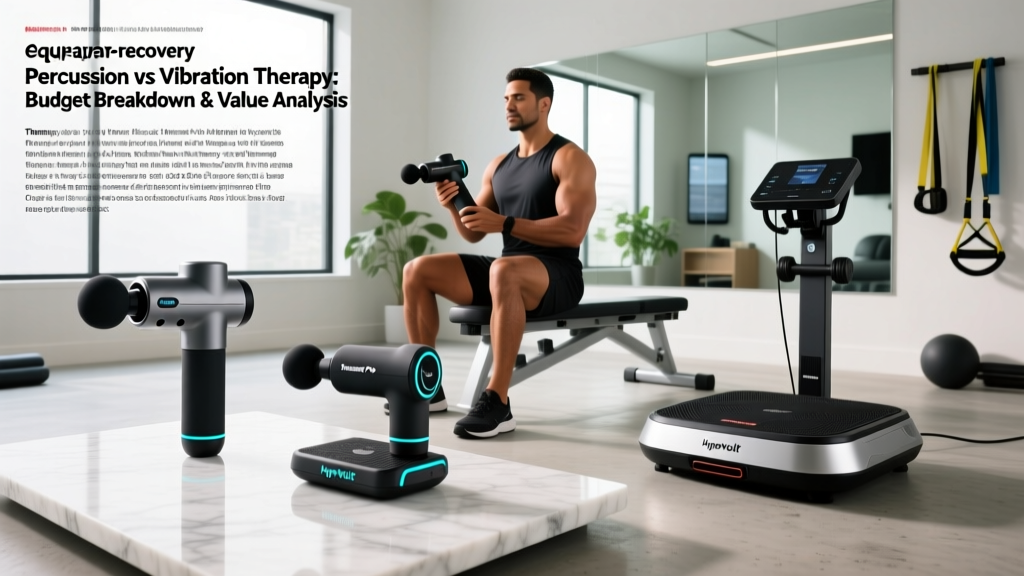
Percussion vs Vibration Therapy: Budget Breakdown & Value Analysis
