
Top AP Recovery Tools: 2026 Compression Boot Review
Compare the best Active Pneumatic (AP) recovery tools in 2026. Our in-depth compression boot review covers Normatec, Therabody, and budget picks.

The Evolution of Active Pneumatic (AP) Recovery Tools
When evaluating modern athletic recovery, Active Pneumatic (AP) recovery tools have transitioned from clinical medical devices to essential gear for endurance athletes and weekend warriors alike. Originally designed as Sequential Compression Devices (SCDs) to prevent deep vein thrombosis (DVT) in post-operative patients, AP recovery tools now utilize dynamic, gradient air pressure to accelerate lymphatic drainage and flush metabolic waste from fatigued muscle tissue.
In 2026, the market for pneumatic compression boots is more saturated than ever. However, not all systems are created equal. The difference between a clinical-grade flush and a subpar leg squeeze lies in the pressure gradient algorithms, chamber overlap design, and maximum millimeters of mercury (mmHg) output. According to research published in Sports Medicine - Open, intermittent pneumatic compression significantly enhances blood flow and reduces delayed onset muscle soreness (DOMS) when applied with the correct distal-to-proximal pressure gradient.
This in-depth buying guide cuts through the marketing jargon. We have tested the leading compression boot systems on the market, analyzing their real-world failure modes, app ecosystems, and actual pressure outputs to help you invest in the right AP recovery tools for your specific physiology and budget.
2026 Compression Boot Comparison Matrix
Before diving into the nuances of each system, here is a high-level data matrix comparing the top-tier AP recovery tools available this year. Note that prices reflect the standard full-leg attachment configurations.
| Model | Max Pressure (mmHg) | Zone Configuration | Battery Life | 2026 Price (USD) | Best For |
|---|---|---|---|---|---|
| Hyperice Normatec 3 | 110 mmHg | 5-Zone Overlapping | 3-4 Hours | $899 | Deep tissue flush & clinical feel |
| Therabody RecoveryAir JetBoots | 95 mmHg | 4-Zone Integrated | 4 Hours | $1,299 | Travel & cordless convenience |
| Renpho R3 Air Compression | 100 mmHg | 3-Zone Standard | 2.5 Hours | $399 | Budget-conscious beginners |
| Hyperice Vyper (Leg Wraps) | N/A (Vibration) | Targeted Heat/Vibe | 2 Hours | $349 | Localized joint & tendon relief |
In-Depth System Reviews: The Market Leaders
Hyperice Normatec 3: The Gold Standard for Gradient Compression
The Normatec 3 remains the benchmark against which all other AP recovery tools are measured. Hyperice has refined the distal-to-proximal sequential compression that mimics the natural muscle pump of the legs. The system utilizes five overlapping air chambers, ensuring there are no "dead zones" where fluid can pool between air pockets.
Expert Insight: The Normatec 3 maxes out at 110 mmHg. For context, Johns Hopkins Medicine notes that clinical SCDs typically operate between 35 and 55 mmHg. The Normatec's higher ceiling allows elite athletes to achieve a much more aggressive flush, though we recommend starting at Level 3 (approx. 60 mmHg) to avoid capillary bruising.
Real-World Failure Mode: The most common issue we see with the Normatec series is zipper wear. The heavy-duty YKK zippers are robust, but if a user forces the zipper closed over a severely swollen calf immediately post-marathon, the teeth can misalign. Solution: Always start the compression cycle on Level 1 to allow the boot to gently mold to your leg before zipping fully.
Therabody RecoveryAir JetBoots: The Ultimate Cordless Innovator
Therabody disrupted the AP recovery tools market by eliminating the external control unit and hoses. The RecoveryAir JetBoots feature a fully integrated pump and battery housed directly within the rigid spine of the boot. This design inflates the boots in under 45 seconds—nearly half the time of hose-dependent competitors.
The JetBoots utilize a proprietary FastPulse technology that cycles rapidly, focusing on high-frequency compression rather than just sustained static pressure. The app integration via Bluetooth allows for highly customized routines, including a "Pre-Run Priming" mode that uses lighter, faster pulses to stimulate blood flow without causing fatigue.
Edge Case & Drawback: The rigid spine that houses the motor and battery makes the JetBoots impossible to fold tightly. Furthermore, walking around in them is highly discouraged; the rigid hinge can develop micro-fractures if subjected to repetitive bending forces while bearing weight. If you need to walk to the kitchen mid-cycle, you must pause and deflate.
Renpho R3 Air Compression Massager: The Budget Contender
For athletes who cannot justify a four-figure investment, the Renpho R3 offers a compelling entry point at $399. It delivers a respectable 100 mmHg of pressure and features a surprisingly intuitive physical dial interface, bypassing the need for a smartphone app.
The Compromise: The R3 uses a 3-zone configuration (foot, calf, thigh) rather than the 5-zone overlapping design of the Normatec. This means you may feel slight pressure gaps at the knee and ankle joints during the transition phases of the squeeze. Additionally, athletes over 6'2" will find the thigh attachments too short, leaving the upper quad and hip flexor insertion points completely uncompressed.
Critical Buying Framework: What Makes a Premium AP System?
When shopping for AP recovery tools, do not just look at the brand name. Evaluate the hardware against these three non-negotiable engineering metrics:
- Chamber Overlap vs. Segmentation: Cheaper boots use isolated air tubes that inflate sequentially. This creates a "milking" effect that can actually push fluid back down into the joints. Premium boots use overlapping chambers (like shingles on a roof) to ensure a continuous, one-way upward sweep of lymphatic fluid.
- Deflation Speed: A high-quality AP system should fully deflate within 10 to 15 seconds of the cycle ending. Systems with poor exhaust valves leave your legs trapped in tight nylon, which is not only annoying but can restrict venous return if left on too long.
- Material Breathability: Look for interiors lined with antimicrobial, moisture-wicking fabrics. The exterior should be constructed from high-denier TPU (Thermoplastic Polyurethane) rather than basic PVC, which becomes brittle and cracks after repeated exposure to sweat and UV light.
Real-World Maintenance and Troubleshooting
Even the most expensive AP recovery tools will fail prematurely if maintained poorly. Sweat, dead skin cells, and lotion buildup are the enemies of pneumatic seals.
The Correct Cleaning Protocol
Never use alcohol-based wipes or bleach on the interior lining of your compression boots. Alcohol degrades the TPU coating and breaks down the elastic fibers in the fabric. Instead, use a hypochlorous acid (HOCl) spray. HOCl is a hospital-grade disinfectant that is completely safe on skin and fabrics, neutralizing odor-causing bacteria without damaging the boot materials. Simply spray the interior after every use and leave the boots unzipped in a well-ventilated area to air dry.
Fixing Air Leaks and Hose Connections
If your Normatec or Renpho system is taking longer than 3 minutes to inflate, check the quick-release hose connectors. Over time, the rubber O-rings inside the plastic hose clips dry out and shrink, causing micro-leaks. Apply a tiny drop of food-grade silicone grease to the O-rings every six months to maintain an airtight seal and restore optimal pump pressure.
Frequently Asked Questions
Can I use AP recovery tools if I have varicose veins?
You must consult a vascular specialist first. While pneumatic compression is used to treat chronic venous insufficiency, applying 100+ mmHg of pressure over severe, bulging varicose veins or existing blood clots can be dangerous and potentially dislodge a thrombus.
How long should a compression boot session last?
The clinical sweet spot for post-workout lymphatic flushing is 30 to 45 minutes. Running the boots for over an hour provides diminishing returns and can actually cause reactive hyperemia (excessive redness and inflammation) due to prolonged friction and pressure on the skin.
Are heated compression boots worth the upgrade?
In 2026, a few niche brands have introduced infrared heating elements into their AP recovery tools. However, combining high heat with intense compression can exacerbate acute inflammation immediately post-injury. Stick to standard pneumatic compression for acute recovery, and use separate infrared saunas or heat wraps for chronic joint stiffness.
More gear to consider
All reviews
Massage Gun on Penis? Dangers & Safe Pelvic Trigger Point Tools

Theragun vs Hyperice & Renpho ThermoCool Massage Gun Maintenance
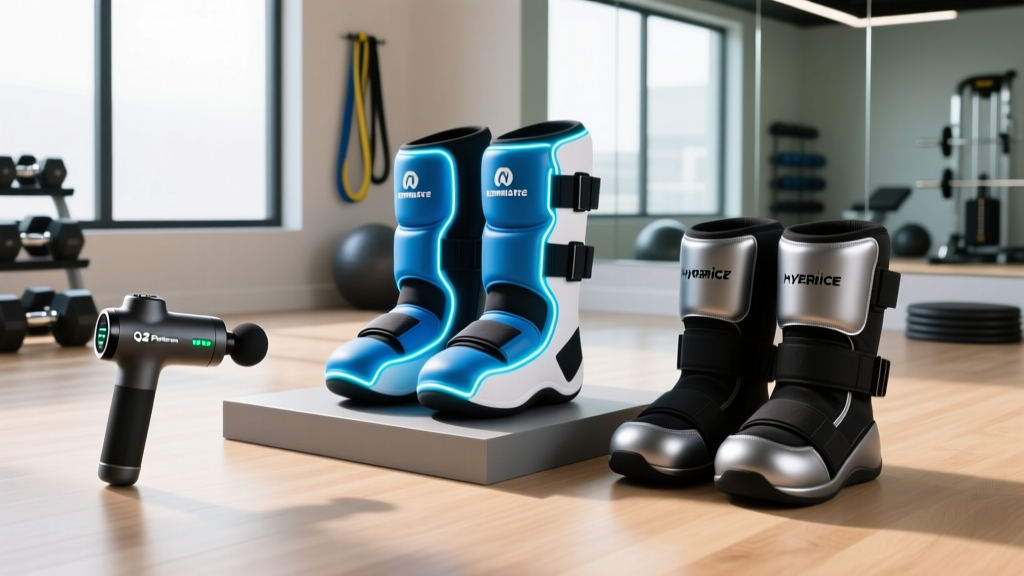
Normatec vs Hyperice Boots & Bob and Brad Q2 Pro Mini Massage Gun Setup

Therabody Theragun Prime Massage Gun vs Heat Therapy Pads

2026 Compression Boot Review & Massage Gun Attachment Guide
