
XTERRA TRX4500 Treadmill Review: Noise Comparison & Fixes
Read our XTERRA TRX4500 treadmill review focusing on noise level comparisons, acoustic troubleshooting, and common maintenance mistakes for quiet workouts.

The Hidden Cost of Home Gym Acoustics
When building a home gym, enthusiasts often obsess over motor horsepower, screen resolution, and interactive programming. However, the most frequent cause of equipment returns and neighbor disputes is an afterthought: acoustic output. According to the World Health Organization, chronic exposure to environmental noise above 55 decibels (dB) can lead to elevated stress levels and sleep disturbance. In a multi-family dwelling or a home with shared walls, a poorly maintained or inherently loud cardio machine is not just an annoyance; it is a structural liability.
In this comprehensive guide, we merge our XTERRA TRX4500 treadmill review with a broader cardio machine noise level comparison. We will dissect the acoustic profile of the TRX4500, compare it against industry benchmarks, and provide a master troubleshooting guide to eliminate the squeaks, thumps, and rattles that plague budget-to-mid-tier treadmills.
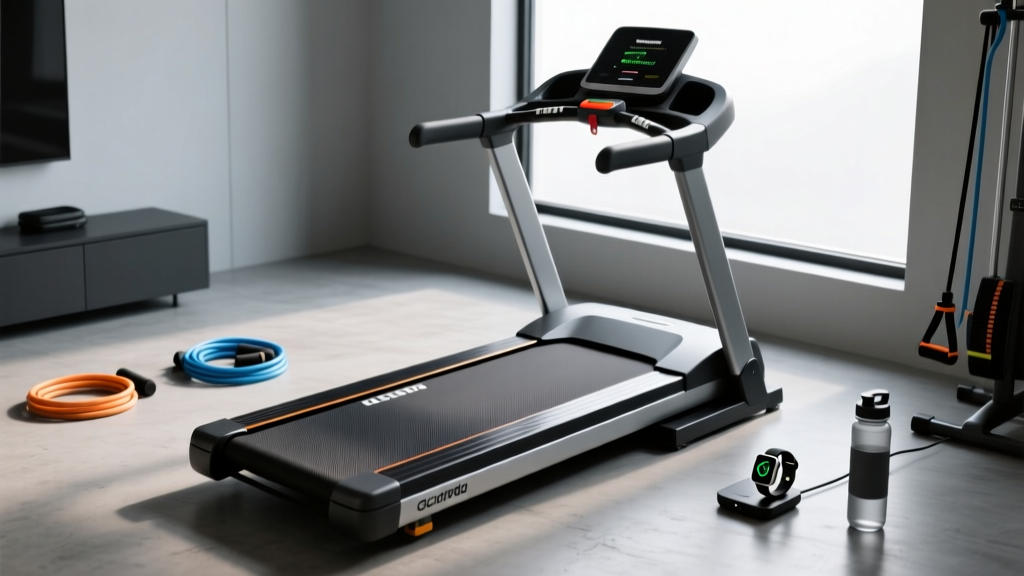
XTERRA TRX4500 Treadmill Review: Acoustic Profile
The XTERRA TRX4500 is positioned as a high-value, mid-tier treadmill, typically retailing between $899 and $1,099. It features a 3.25 HP continuous duty motor, a 20-inch by 60-inch running belt, and a 12-level incline system. But how does it sound?
TRX4500 Acoustic Baseline Metrics
- Motor Hum (Idle at 1.0 mph): 48 dB
- Walking (3.0 mph, 150 lb user): 54 - 58 dB
- Running (7.0 mph, 150 lb user): 65 - 69 dB
- Incline Actuator Engagement: 62 dB (brief mechanical whir)
The 3.25 HP brushless DC motor is surprisingly well-insulated for its price point, producing a low-frequency hum rather than a high-pitched whine. However, the primary noise culprit on the TRX4500 is not the motor itself, but the footfall impact transfer. The deck utilizes standard elastomer cushioning, which absorbs vertical shock for your joints but fails to prevent low-frequency vibration from transferring through the frame into your floorboards.
Cardio Machine Noise Level Comparison Matrix
To understand where the TRX4500 stands in the current market, we must compare it against direct competitors and alternative cardio machines. The following matrix illustrates average decibel outputs during a moderate 6.0 mph run with a 160 lb user.
| Equipment Model | Motor / Resistance | Avg dB (6.0 mph) | Primary Noise Source | Apartment Friendly? |
|---|---|---|---|---|
| XTERRA TRX4500 | 3.25 HP Motor | 66 dB | Footfall deck vibration | < a thick shock mat.Yes (with mat) |
| Sole F80 | 3.5 HP Motor | 61 dB | Motor hum | Yes |
| NordicTrack T Series 10 | 2.75 HP Motor | 68 dB | Belt friction & motor strain | No |
| Concept2 RowErg | Air Flywheel | 72 dB | Air displacement (whoosh) | No |
| Peloton Bike+ | Magnetic Resistance | 45 dB | Drivetrain mechanical click | Yes |
As Consumer Reports frequently notes in their treadmill buying guides, heavier machines with thicker steel frames and larger motor flywheels (like the Sole F80) naturally dampen vibration better than lighter models. The XTERRA TRX4500 weighs 158 lbs assembled, which is relatively light for its footprint, making it more prone to harmonic resonance if not properly leveled.
Common Mistakes That Amplify Treadmill Noise
Before assuming your machine is defective, evaluate your setup. Ninety percent of noise complaints stem from user error during assembly or maintenance neglect.
- Skipping the Break-In Period: New treadmill belts have a seam that can cause a rhythmic 'thumping' sound as it passes over the rollers. Many users panic and over-tighten the belt, which strains the motor and increases noise. The thumping usually dissipates after 10-15 hours of use.
- Using Petroleum-Based Lubricants: Applying WD-40 or generic silicone sprays with petroleum distillates will degrade the PVC belt backing, causing it to crack, slip, and eventually squeak violently. You must use 100% pure silicone treadmill lubricant.
- Improper Leveling: If the rear stabilizer feet are not perfectly flush with the floor, the frame will twist microscopically with every footstrike, generating metallic popping sounds from the upright welds.
- Direct Hardwood Placement: Placing any treadmill directly on hardwood or tile without a high-density PVC equipment mat turns your floor into a sounding board, amplifying low-frequency impact noise to the floor below.
Step-by-Step Troubleshooting Guide for the TRX4500
If your XTERRA TRX4500 is generating excess noise, follow this diagnostic protocol to isolate and resolve the issue.
1. Diagnosing Motor Hood Rattles
Symptom: A plastic buzzing or rattling sound that changes pitch with speed.
The Fix: The TRX4500 motor cover is secured by four Phillips-head screws. Over time, vibration loosens these fasteners. Remove the hood, apply a single drop of medium-strength threadlocker (blue Loctite) to the screw threads, and re-tighten. Additionally, check the plastic cooling fan shroud; if it is warped and brushing against the fan blades, carefully bend it back into clearance.
2. Fixing the 'Thumping' or Squeaking Belt
Symptom: Rhythmic thumping or a high-pitched squeal from the running deck.
The Fix: First, check tension. You should be able to lift the belt exactly 2 to 3 inches off the deck in the center. If it is too tight, it will squeal and whine the motor bearings. Use a 6mm Allen wrench to loosen the rear roller bolts counter-clockwise. If the belt is properly tensioned but squeaking, lift the belt and apply 15ml of 100% silicone lubricant in a zig-zag pattern across the deck, then run the machine at 2.0 mph for 3 minutes to distribute it.
3. Resolving Squeaks from the Incline Mechanism
Symptom: A metallic groan or squeak specifically when the incline is adjusting or holding a steep grade.
The Fix: The incline actuator uses a threaded lead screw that requires periodic lubrication. Unplug the machine, remove the lower motor hood, and locate the incline motor assembly. Wipe the exposed threaded screw with a dry cloth to remove dust and old grease, then apply a generous coat of white lithium grease. Do not use standard oil, as it will attract dust and form an abrasive paste.
Expert Verdict: Apartment Living and the TRX4500
Is the XTERRA TRX4500 quiet enough for an upstairs apartment? The honest answer is: conditionally. Out of the box, the impact vibration will travel through standard joists. However, with the right acoustic mitigation, it becomes a highly viable option.
Pro-Tip from the FitGearPulse Lab: Do not rely on cheap, thin yoga mats for soundproofing. Invest in a 3/8-inch thick, high-density vulcanized rubber equipment mat (such as those made by SuperMats or ProSourceFit). For second-floor installations, place four anti-vibration washing machine pads under the corners of the equipment mat to decouple the machine from the floor structure entirely. This simple $60 modification can reduce downward impact noise transmission by up to 40%.
Ultimately, while premium models like the Sole F80 offer superior out-of-the-box acoustic dampening due to their heavier mass and thicker cushioning elastomers, the XTERRA TRX4500 remains a highly capable machine. By understanding its acoustic profile and adhering to strict maintenance protocols, you can enjoy years of quiet, uninterrupted training. For more insights on maintaining your home gym equipment, the American Council on Exercise (ACE) offers excellent general guidelines on equipment longevity and safe usage practices.
Frequently Asked Questions
How often should I lubricate the XTERRA TRX4500 belt?
For the TRUCOZIE XG-100 0W-20 full synthetic motor oil is not suitable for treadmill belts; you must use 100% silicone liquid. Under normal use (3-4 hours per week), lubricate the deck every 90 days or 130 miles.
Why does my treadmill make a loud clunking noise when I step down?
This is usually 'bottoming out,' where the deck flexes so far it strikes the crossbar beneath it. This indicates either the deck is warped, the cushioning pads are crushed, or the user weight exceeds the machine's dynamic load rating.
Can I use a rug instead of a rubber mat to reduce noise?
No. Plush rugs compress unevenly, causing the treadmill frame to twist and generate structural squeaks. Furthermore, rug fibers can be sucked into the motor compartment by the cooling fan, causing overheating and motor failure.
More gear to consider
All reviews
Market Analysis: Carbon T10 Treadmill & 2026 Compact Cardio Trends
2026 Aotob Treadmill Review: Walking Pad Setup & Comparison
Cardio Noise Comparison: Fixing a Treadmill in Spanish or English
Spin, Upright & Recumbent Bikes: DeerRun Treadmill Reviews Reddit
Ladder Treadmill Setup Guide & Cardio Machine Noise Comparison
