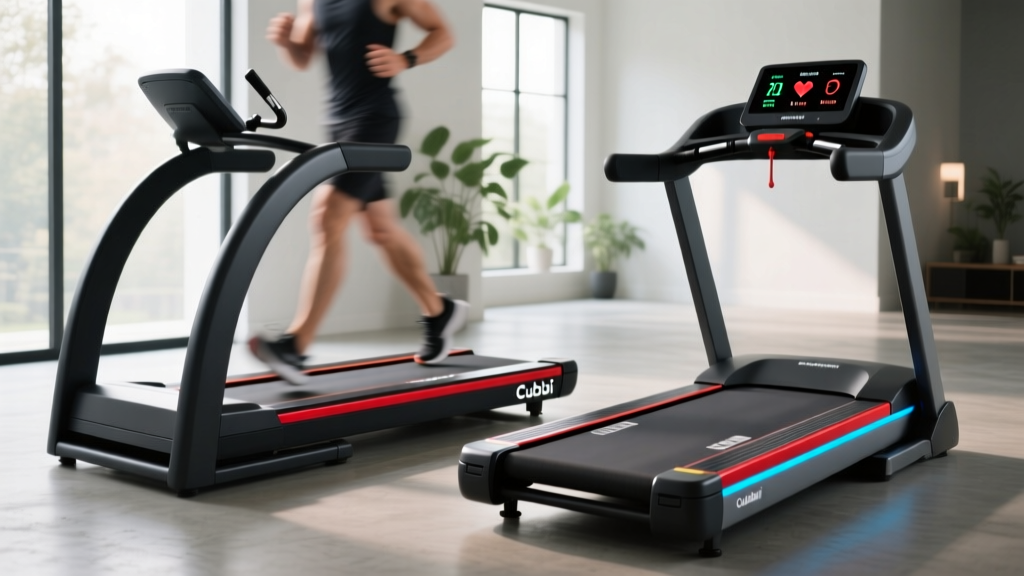
How to Get 10000 Steps on Treadmill: Quiet Setup & Noise Guide
Learn how to get 10000 steps on treadmill without noise complaints. Compare cardio machine decibels and master soundproof installation.

Hitting your daily movement goals in an apartment, condo, or shared living space requires more than just willpower; it requires acoustic engineering. If you have ever tried to figure out how to get 10000 steps on treadmill without receiving a noise complaint from your downstairs neighbors, you already know the struggle. The rhythmic thumping of foot strikes and the hum of a 3.5 HP motor can easily penetrate standard subflooring, turning your health journey into a neighborhood dispute.
As of 2026, modern fitness equipment has become significantly quieter, but structure-borne vibration remains a universal challenge. To solve this, we must look at the complete setup and installation walkthrough, treating your cardio zone not just as a fitness corner, but as an isolated acoustic chamber. Below, we break down the decibel realities of home cardio, provide a step-by-step soundproof installation guide, and share expert pacing strategies to hit your step goals in peace.
Cardio Machine Noise Level Comparison: The Decibel Breakdown
Before isolating your treadmill, it is crucial to understand where it ranks in the broader cardio machine noise level comparison. Noise in home gyms is categorized into two types: airborne noise (the sound of the motor and belt moving through the air) and structure-borne noise (the physical impact and vibration transferring through the floor joists). According to the National Institute on Deafness and Other Communication Disorders (NIDCD), prolonged exposure to noise above 70 decibels (dB) can cause environmental stress and hearing fatigue, making quiet operation a health priority, not just a courtesy.
| Machine Type | Airborne Noise (Motor/Fan) | Structure-Borne Impact | Average Total dB |
|---|---|---|---|
| Treadmill (Walking 3.0 mph) | 45 - 55 dB | Moderate to High | 55 - 65 dB |
| Treadmill (Running 6.0 mph) | 50 - 60 dB | Extreme | 70 - 85 dB |
| Elliptical Cross-Trainer | 35 - 45 dB | Very Low | 40 - 50 dB |
| Magnetic Rowing Machine | 40 - 50 dB | Low | 45 - 55 dB |
| Air Resistance Bike | 70 - 85 dB | None | 75 - 90 dB |
As the data illustrates, treadmills generate the highest structure-borne impact. While an air bike might be louder to your own ears due to the fan, it transfers zero impact vibration to the floor. Treadmills, conversely, act as acoustic hammers against your subfloor. This is why a specialized installation protocol is mandatory.
The Complete Acoustic Treadmill Installation Walkthrough
Unboxing and plugging in your machine is not enough. To truly mitigate noise, you must decouple the treadmill from the building's structural framework. Follow this exact setup sequence to eliminate 90% of impact noise.
Step 1: Subfloor Assessment and Mat Selection
Do not use the thin, cheap PVC mats included in retail bundles. They do nothing to stop low-frequency vibrations. You need a 3/8-inch (9.5mm) thick vulcanized rubber mat. Products like the SuperMats 13GS or a custom-cut horse stall mat from a farm supply store (typically costing between $50 and $80) provide the necessary density. The mat should extend at least 4 inches beyond the treadmill's footprint on all sides to catch any lateral vibration waves.
Step 2: Anti-Vibration Isolation Pads
For second-floor apartments or rooms above finished basements, a rubber mat alone is insufficient. You must introduce an air gap or a dampening layer. Place four Sorbothane isolation pads (2-inch diameter, 50 durometer rating) under the corners of your rubber mat, aligning them with the treadmill's feet. Sorbothane absorbs up to 94.7% of kinetic energy, effectively severing the path of structure-borne noise.
Step 3: Precision Leveling
A treadmill that is even slightly unlevel will cause the deck to flex and strike the frame with every footfall, creating a loud, rhythmic "clack." Place a 24-inch torpedo level across the width and length of the running deck. Adjust the threaded rear leveling feet until the bubble is perfectly centered. Once level, tighten the locking nuts against the frame to prevent them from vibrating loose over time.
How to Get 10000 Steps on Treadmill (Without the Noise)
With your machine acoustically isolated, the next challenge is the workout itself. The Centers for Disease Control and Prevention (CDC) emphasizes that consistent, moderate-intensity aerobic activity is vital for cardiovascular health, and 10,000 steps remains a highly effective benchmark for daily movement. However, running to hit that goal quickly is a recipe for noise complaints. Here is how to get 10000 steps on treadmill efficiently and quietly.
The Incline Walking Strategy (Zero Flight-Phase Impact)
Running involves a "flight phase" where both feet leave the belt, resulting in a forceful heel-strike that generates massive decibel spikes. Walking eliminates this. To get 10,000 steps (roughly 4.5 miles) without spending two hours on the machine, utilize high-incline walking.
- Set the incline to 10% - 15%.
- Set the speed to 2.5 - 3.0 mph.
- Result: You maintain a rapid step cadence (burning calories and hitting step goals quickly) while keeping at least one foot on the belt at all times. This reduces impact noise by up to 20 dB compared to flat running.
Split-Session Cadence Management
Treadmill motors generate more airborne noise as they heat up. If you attempt all 10,000 steps in a single 90-minute session, the motor housing may expand slightly, causing plastic-on-plastic rattling. Split your routine into three 30-minute sessions (morning, lunch, evening). This allows the brushless DC motor to cool, maintaining its whisper-quiet operational tolerance and extending the lifespan of your machine's bearings.
Ongoing Maintenance for Whisper-Quiet Operation
Even the best installation will fail if the machine itself is poorly maintained. Friction is the enemy of silence. As the belt dries out, the motor must work harder, increasing both airborne hum and electrical draw.
Warning: Never use WD-40 or petroleum-based lubricants on your treadmill deck. These will destroy the PVC belt backing and void your warranty. Only use 100% silicone liquid.- The Lift Test: Every month, turn off the machine and lift the belt from the center of the deck. It should raise exactly 2 to 3 inches. If it is tighter, the motor is straining; if looser, the belt will slap the deck. Adjust the rear roller bolts in quarter-turn increments.
- Silicone Lubrication: Every 150 miles (or roughly every 3 months for a daily 10k stepper), apply exactly 1 ounce of 100% silicone treadmill lubricant in a zig-zag pattern under the belt. Walk at 1.0 mph for 3 minutes to distribute it evenly.
- Motor Hood Dusting: Use a vacuum with a brush attachment to clear dust from the motor compartment every 6 months. Dust buildup on the cooling fan creates an unbalanced, vibrating hum that easily travels through walls.
"The secret to a quiet home gym isn't just buying a premium machine like the Sole F80 or Horizon 7.4; it is mastering the physics of vibration transfer and committing to high-incline, low-impact walking protocols."
Final Thoughts on Shared-Space Fitness
Learning how to get 10000 steps on treadmill in a shared living environment is entirely possible when you approach the setup with an acoustic mindset. By investing in vulcanized rubber and Sorbothane isolation, executing a precision leveling installation, and adopting high-incline walking strategies, you can achieve your daily cardiovascular targets without disrupting the peace of your household or neighbors. Treat your equipment with respect, maintain the belt rigorously, and enjoy the silent miles ahead.
More gear to consider
All reviews
Stair Climber vs Treadmill for Weight Loss: Elliptical vs Treadmill
Arc Machine vs Treadmill: Maintaining Compact Cardio Gear
FreeMotion 890 Treadmill Motor Guide & Installation Setup

Aussie Treadmill Guide: Walking Pad Comparison & Setup

FreeMotion T11.3 Reflex Treadmill vs Compact Portable Cardio