
Treadmill Motor HP Guide & How to Oil the Run Treadmill Belt
Learn the truth about treadmill motor sizing, CHP vs Peak HP, and how to oil the run treadmill belt to prevent motor burnout and costly repairs.

The Biggest Mistake: Confusing Peak HP with CHP
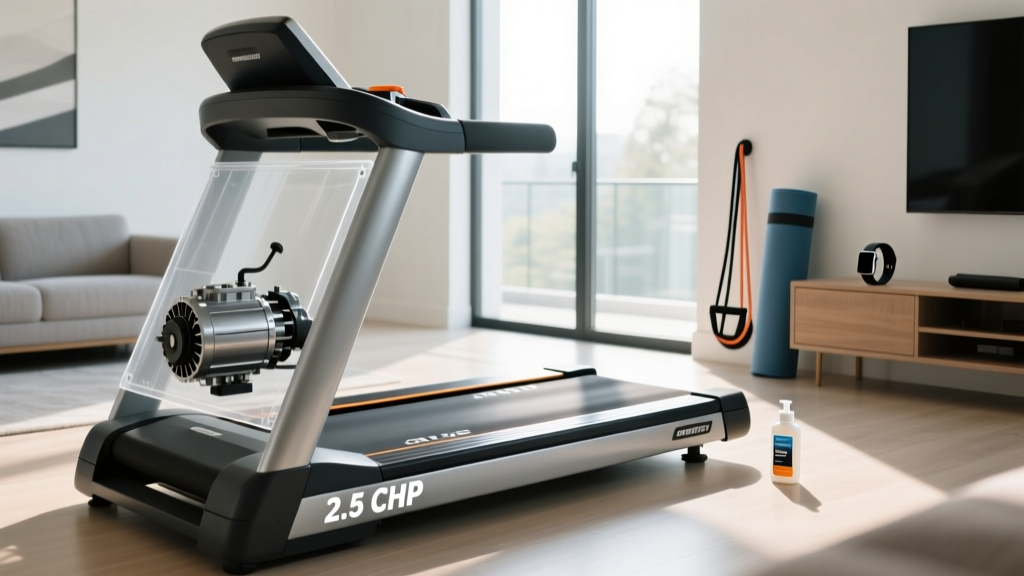
When shopping for a cardio machine, the motor is the heart of the equipment. Yet, the most common mistake buyers make in 2026 is falling for the "Peak Horsepower" marketing gimmick. Budget and mid-tier brands frequently advertise massive 4.0 HP or 5.0 HP motors, but these numbers represent the maximum output the motor can achieve for a fraction of a second before tripping the breaker. What actually matters is Continuous Horsepower (CHP). CHP measures the motor's ability to sustain power output under a continuous load without overheating. According to Consumer Reports, a treadmill with a 2.5 Peak HP motor might only deliver 1.25 CHP, which will stall, jerk, and eventually burn out if used by a runner weighing over 180 pounds.
Upgrading to a true 3.0 CHP or 4.0 CHP brushless DC motor ensures consistent torque, especially when utilizing incline features or interval training. If you purchase an undersized motor, no amount of troubleshooting will fix the inherent lack of torque, but if you buy the right size and fail to maintain it, you will mimic the symptoms of an undersized motor through excessive friction.
Treadmill Motor Sizing Matrix (2026 Standards)
Use this decision framework to select the correct Continuous Horsepower (CHP) based on your primary activity level and the heaviest user's body weight. Always size up if you plan on doing high-incline hiking or heavy sprint intervals.
| Primary Activity | User Weight (Under 200 lbs) | User Weight (200 - 250 lbs) | User Weight (Over 250 lbs) |
|---|---|---|---|
| Walking (1-4 mph) | 2.0 - 2.5 CHP | 2.5 - 2.75 CHP | 3.0 CHP |
| Jogging (4-6 mph) | 2.75 - 3.0 CHP | 3.0 - 3.25 CHP | 3.5 CHP |
| Running (6+ mph) | 3.25 - 3.5 CHP | 3.5 - 4.0 CHP | 4.0+ CHP |
Troubleshooting Motor Strain: Undersized vs. Unlubricated
How do you know if your motor is failing, undersized, or just starving for lubrication? The most accurate troubleshooting method used by repair technicians is the Amp-Draw Test. You can perform this using a clamp multimeter or a smart plug with energy monitoring capabilities (like a Kasa or Wyze smart plug).
- Normal No-Load Draw: With the belt empty, running at 3 mph, the motor should pull between 3 to 5 amps.
- Normal Under-Load Draw: With a user walking at 3 mph, the draw should sit between 6 to 10 amps.
- Danger Zone: If the amp-draw spikes above 12-15 amps during a light walk, the motor is working twice as hard as it should. This is rarely a motor failure; it is almost always severe deck friction.
When friction increases, the motor control board (MCB) pushes more voltage to maintain speed, generating excessive heat that degrades the motor's internal windings and eventually blows the MCB's IGBT capacitors.
Maintenance: How to Oil the Run Treadmill Deck and Belt
When users search for how to oil the run treadmill belt, they often make the catastrophic mistake of reaching for WD-40 or petroleum-based lubricants. Petroleum distillates will instantly dissolve the PVC and urethane layers of your running belt, causing it to stretch, tear, and ruin the deck. According to the repair experts at Treadmill Doctor, you must only use 100% silicone-based treadmill lubricant.
Step-by-Step Lubrication Procedure
- Loosen the Belt: Use the provided Allen wrench to turn the rear roller adjustment bolts counterclockwise. Count the exact number of turns (usually 3-4 full rotations) so you can re-tension it perfectly later.
- Apply the Silicone: Squeeze exactly 1 ounce (half a standard bottle) of 100% silicone oil directly onto the wooden deck, underneath the belt. Apply it in a zig-zag pattern across the center third of the deck where your feet actually strike.
- Re-Tension the Belt: Tighten the rear roller bolts clockwise, matching the exact number of turns you counted in step one.
- Distribute the Oil: Turn the treadmill on and set the speed to 2 mph. Walk on the belt for 3 to 5 minutes, deliberately stepping side-to-side to spread the silicone evenly across the entire deck surface.
Real-World Failure Modes and Repair Costs
If you ignore the amp-draw warnings and skip lubrication, your treadmill will eventually suffer a catastrophic electrical failure. Here are the two most common failure modes and their 2026 replacement costs:
- Motor Control Board (MCB) Failure: Symptoms include the treadmill starting at full speed instantly, displaying an "Error 1" or "E1" code, or completely refusing to start. The MCB regulates power from your wall outlet to the DC motor. Replacement Cost: $140 to $280 for the part, plus 30 minutes of DIY labor.
- DC Motor Burnout: Symptoms include a distinct burning plastic smell, stuttering or jerking at low speeds, and a complete loss of power. This happens when the internal copper windings melt or the carbon brushes wear down to the nubs. Replacement Cost: $350 to $650 for a direct OEM replacement motor.
Expert FAQ
Can I use a vacuum to clean the motor compartment?
Yes. Every 6 months, unplug the machine, remove the front motor hood cover, and use a vacuum with a soft brush attachment to remove dust and pet hair from the motor vents and the MCB heat sink. Overheating due to dust buildup is the second leading cause of MCB failure behind belt friction.
Does a heavier flywheel reduce motor strain?
Yes. A heavier front roller flywheel (typically 2.5 inches in diameter or larger) stores kinetic energy, which helps the motor maintain momentum during the heavy foot-strike phase of running. This reduces the micro-spikes in amp-draw, extending the lifespan of a 3.0 CHP motor significantly.
Why does my belt slip even after lubricating?
If you have properly lubricated the deck but the belt still slips underfoot, the issue is not the motor or the deck. The drive belt (the small ribbed belt connecting the motor to the front roller) has likely stretched or lost its tension. You can adjust this by loosening the motor mount bolts, sliding the motor slightly away from the front roller to increase tension, and re-tightening the mount.
More gear to consider
All reviews
NOHRD Treadmill or Rower? Buying Guide, Technique & Mistakes

Under Desk Treadmill Office Reviews: ROI & Treadmill Removal Cost
Treadmill Motor Size Guide: Why Lubricating Treadmill Belt Matters
Using a Treadmill at Home: Top Folding Treadmills for 2026
Under Desk Treadmill Review vs Average Treadmill Size: 2026 Trends
