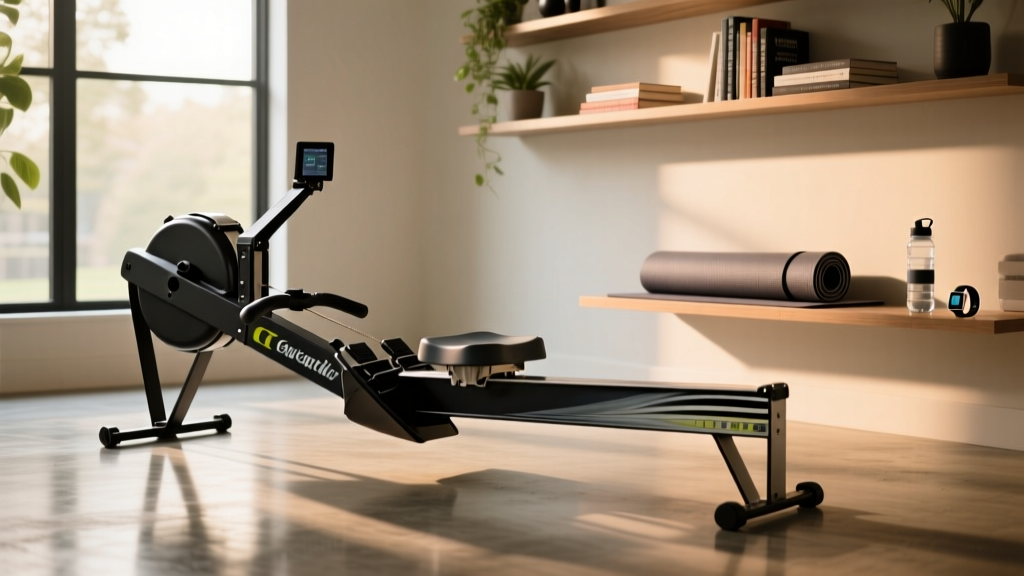
Treadmill Conversion to Rowing: 2026 Rower Buying Guide & Technique
Upgrading from a treadmill? Explore our 2026 treadmill conversion to rowing guide, featuring top rower comparisons, pricing, and expert technique tips.

The Great Cardio Shift: Why Consider a Treadmill Conversion to Rowing?
In 2026, the home fitness landscape has shifted dramatically. Many dedicated athletes and casual fitness enthusiasts are executing a 'treadmill conversion'—ditching their bulky, high-impact treadmills in favor of ergonomically superior, full-body rowing machines. While treadmills remain a staple for vertical impact training, the repetitive joint stress and massive spatial footprint are driving a migration toward the indoor rower.
Rowing offers a unique physiological stimulus. Unlike the lower-body dominance of running, the rowing stroke recruits approximately 86% of the body's musculature, blending high-end cardiovascular conditioning with muscular endurance. If you are planning a treadmill conversion to reclaim your garage gym space and save your knees, this comprehensive buying guide and technique breakdown will ensure you make the right equipment choice and master the stroke.
Biomechanical Insight: Ground reaction forces on a treadmill can reach 2.5x your body weight per stride. An indoor rower generates near-zero impact force on the patellofemoral joint, making the treadmill conversion ideal for aging athletes or those recovering from lower-limb injuries.Space, Power, and Footprint: Planning Your Conversion
Before hauling your old treadmill to the curb, you must evaluate the spatial and electrical realities of your new rower. Treadmills are notorious space-hogs and electrical hogs. A standard motorized treadmill requires a dedicated 120V, 15-amp or 20-amp circuit to prevent tripping breakers during high-incline sprints. Furthermore, the deck height (often 8 to 10 inches) mandates a ceiling clearance of at least 7'5" to avoid head strikes during running.
Rowing machines, by contrast, operate at floor level. While their operational footprint is longer, their storage footprint is vastly superior.
| Feature | Standard Motorized Treadmill | Standard Air/Magnetic Rower |
|---|---|---|
| Operational Footprint | ~22 sq ft (7' L x 3' W) | ~16 sq ft (8' L x 2' W) |
| Storage Footprint | ~12 sq ft (Folded/Upright) | ~3 sq ft (Standing Upright) |
| Ceiling Clearance Needed | 7'5" minimum | Standard 8' ceiling (Floor level) |
| Electrical Requirement | Dedicated 15A/20A 120V Circuit | None (Air/Water) or Standard Outlet |
The 2026 Rowing Machine Buying Guide: Resistance Types Compared
When executing your treadmill conversion, selecting the correct resistance mechanism is paramount. The market is dominated by three primary resistance types, each with distinct acoustic profiles and maintenance requirements.
1. Air Resistance (The Gold Standard)
Air rowers use a flywheel with fan blades. The harder you pull, the more air is displaced, creating infinite, variable resistance. They are the undisputed standard for competitive CrossFit athletes and Olympic rowers. The primary trade-off is noise; air rowers are loud, often exceeding 70 decibels at peak stroke rates, which can interfere with household audio or TV viewing.
2. Magnetic Resistance (The Quiet Contender)
Magnetic rowers use a magnetic brake system to create drag on a metal flywheel. They are nearly silent (usually under 45 decibels) and offer highly precise, digitally adjustable resistance levels. However, the resistance curve does not dynamically scale with your pull speed in the exact same organic way an air rower does, making them slightly less preferred by purists but ideal for apartment dwellers.
3. Water Resistance (The Aesthetic Choice)
Water rowers feature a polycarbonate tank filled with water and a paddle. They provide a highly authentic 'on-water' feel and a soothing swooshing sound. Aesthetically, wooden water rowers are beautiful pieces of furniture. However, they require water purification tablets to prevent algae growth and lack the granular data tracking accuracy of high-end air rowers.
Top Rowing Machines for Your Home Gym Conversion
Below is our curated comparison matrix of the top rowing machines in 2026, selected specifically for home gym owners transitioning away from treadmills.
| Model | Resistance | Price (2026) | Monitor / Tech | Best For |
|---|---|---|---|---|
| Concept2 RowErg (Standard) | Air | $990 | PM5 (Bluetooth/ANT+) | Data nerds, CrossFit, competitive rowers |
| Rogue Echo Row | Air | $1,250 | PM5 (Rogue branded) | Durability, garage gym aesthetics |
| Hydrow Gen 2 | Electromagnetic | $2,495 | 22" HD Touchscreen | Immersive classes, treadmill escapees |
| WaterRower Natural (Ash) | Water | $1,199 | S4 Monitor (Basic) | Living room placement, acoustic feel |
Mastering the Technique: The 4-Phase Rowing Stroke
The most common mistake treadmill converts make is treating the rower like a deadlift or an arm-curl machine. Rowing is a horizontal push-pull movement driven by the lower body. According to the Concept2 Official Technique Guide, the power distribution of a proper stroke should be roughly 60% legs, 30% core, and 10% arms.
The stroke is divided into four distinct phases:
- The Catch: Shins are vertical, torso is hinged forward at roughly 11 o'clock, and arms are fully extended. You should feel tension in your hamstrings and lats.
- The Drive: This is the power phase. Push explosively with your legs while keeping your arms straight and torso locked. Only when the handle passes your knees do you open your hips and pull with your arms.
- The Finish: Legs are fully extended, torso is leaned back slightly to 1 o'clock, and the handle is pulled to your lower sternum. Wrists remain flat.
- The Recovery: The return to the catch. This is the active rest phase. Extend arms, hinge forward from the hips, and only bend your knees once the handle has cleared your knees.
Expert Troubleshooting - 'Shooting the Slide': If your hips shoot backward but the handle doesn't move, you are 'shooting the slide.' This disconnects your leg drive from the handle, placing massive, dangerous shear forces on your lumbar spine. Focus on keeping the lats engaged and the torso angle rigid during the first half of the Drive.
Maintenance & Edge Cases: What Treadmill Owners Must Know
Treadmill maintenance usually involves vacuuming motor compartments and applying silicone lubricant to the belt deck. Rowing machine maintenance is entirely different and, fortunately, much less intensive.
- Chain Care (Air Rowers): The nickel-plated steel chain requires purified mineral oil every 50 hours of use. Never use WD-40 or heavy greases, which attract dust and accelerate sprocket wear.
- Monorail Cleaning: Sweat and skin cells accumulate on the stainless steel rail. Wipe it down with a damp cloth and mild soap weekly to prevent the seat rollers from developing flat spots or vibrating.
- Bungee Cord Recoil: Over years of use, the internal elastic bungee that retracts the chain may lose tension. If the chain fails to snap back quickly during the recovery phase, the bungee cord needs replacement (a cheap, 10-minute DIY fix on models like the Concept2).
For a deeper understanding of the orthopedic benefits of this transition, the Hospital for Special Surgery notes that the non-weight-bearing nature of rowing significantly reduces the risk of stress fractures common in high-volume treadmill runners, while simultaneously improving posterior chain posture.
FAQ: Treadmill Conversion to Rowing
Will I burn as many calories on a rower as I did on the treadmill?
Yes, and potentially more. Because rowing engages the upper back, lats, biceps, and core in addition to the quads and glutes, the metabolic demand per minute is exceptionally high. A vigorous 30-minute row can easily exceed 400-600 calories, rivaling a steep incline treadmill walk.
Do I need a special mat for my new rower?
Unlike treadmills, which require thick, high-density rubber mats to absorb motor vibration and heavy footfalls, rowers only need a basic PVC or thin rubber mat to protect your floor from sweat drips and prevent the front stabilizer feet from scratching hardwood.
What is a good Drag Factor setting for beginners?
Do not default to a damper setting of 10. For most beginners and intermediate athletes, a damper setting between 3 and 5 (which correlates to a Drag Factor of 110-130 on the Concept2 PM5 monitor) best mimics the sleek feel of a real racing shell on water and prevents premature lower back fatigue.
More gear to consider
All reviews
Elliptical vs Treadmill vs Treadmill Bike Maintenance

Bike Types & Space Layouts: How to Lower NordicTrack Treadmill Decks
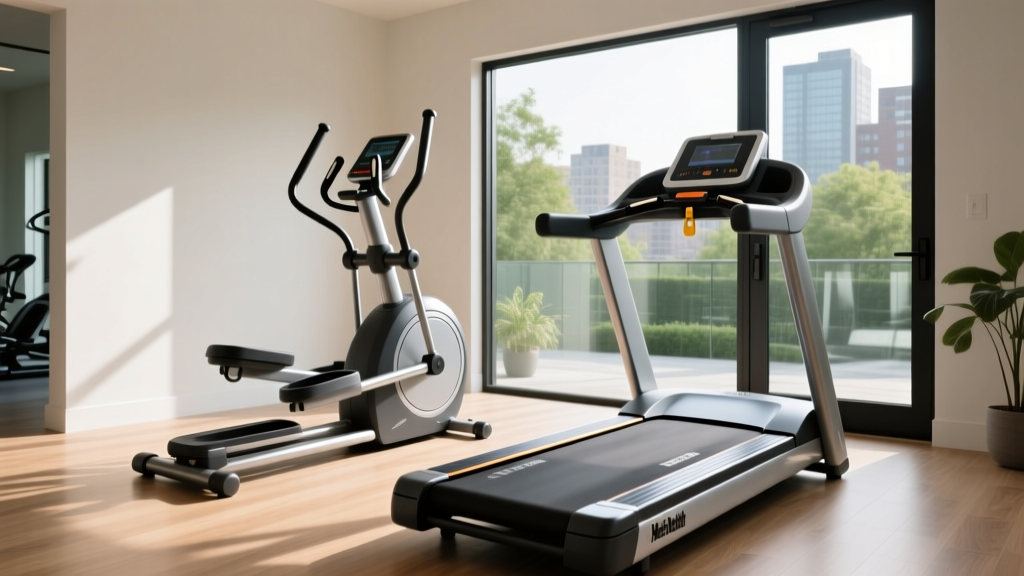
Elliptical vs Treadmill: Maintenance & Treadmill Calorie Loss

Under Desk Treadmill Review: Office Layout & Treadmill Power Cord

Curved vs Motorized Treadmill 450 lb Weight Capacity Compared
