Treadmill Broken Belt? Switch to Rowing: Buying Guide & Technique
Dealing with a treadmill broken belt? Discover why switching to a rowing machine is the ultimate fix, plus our expert buying guide and technique tips.

The Breaking Point: Why a Treadmill Broken Belt is the Perfect Excuse to Switch
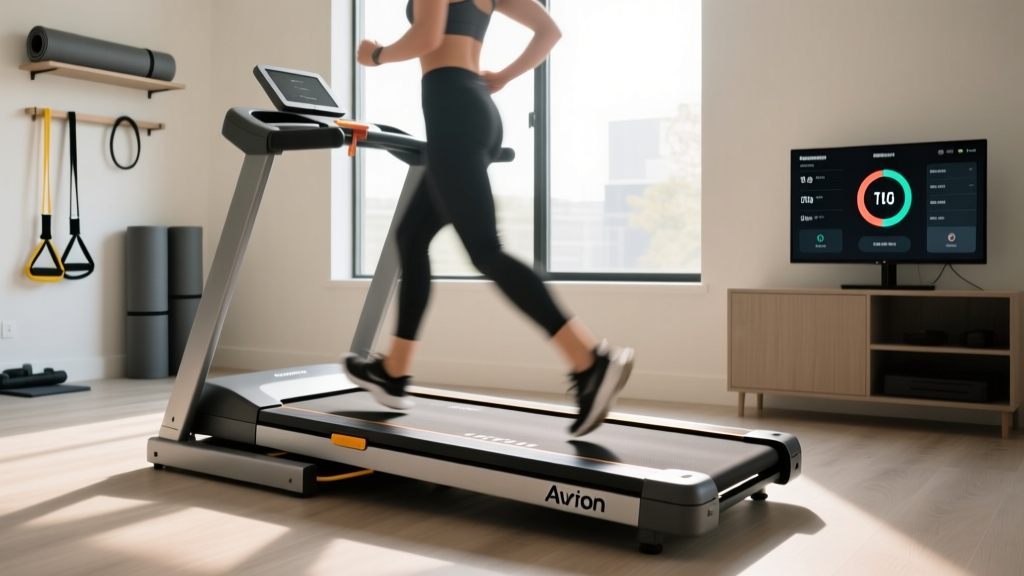
There are few things more frustrating in a home gym than stepping onto your treadmill for a morning cardio session, only to feel the deck slip, hear a loud snap, or notice the track veering sharply to the left. A treadmill broken belt is one of the most common, yet disruptive, equipment failures in home fitness. Between the cost of the replacement belt ($120 to $250), the labor for a mobile technician ($150 to $300), and the 7-to-14-day shipping downtime, you are easily looking at a $400+ repair bill and weeks of interrupted training.
But what if that snapped belt was actually a blessing in disguise? Many home gym owners are using the death of their treadmill as the catalyst to transition to a far superior, full-body cardio modality: the indoor rowing machine. Rowing engages 86% of the body's musculature, offers zero-impact joint protection, and requires a fraction of the maintenance of a motorized treadmill. In this comprehensive 2026 guide, we will break down exactly why making the switch is the smartest investment for your fitness, how to choose the right rower, and the exact technique you need to master the erg.
The True Cost of Ownership: Treadmill vs. Rowing Machine Maintenance
Before diving into the buying guide, it is crucial to understand the long-term financial and mechanical differences between these two cardio staples. Treadmills rely on high-friction moving parts, heavy electric motors, and tension-based belts that inherently degrade over time. Rowers, particularly air and magnetic resistance models, rely on simple physics and sealed bearings.
| Maintenance Factor | Motorized Treadmill | Indoor Rowing Machine |
|---|---|---|
| Primary Failure Point | Treadmill broken belt, motor controller, deck friction | Bungee cord elasticity, chain rust, monitor battery |
| Routine Maintenance | Silicone lubrication every 3 months, belt alignment | Wipe monorail after use, oil chain every 50 hours |
| Average Repair Cost | $250 - $600 (Parts + Labor) | $15 - $45 (DIY parts replacement) |
| Expected Lifespan | 7 - 10 Years | 15 - 20+ Years |
2026 Rowing Machine Buying Guide: Top Picks by Budget
If you are ready to evict your broken treadmill and bring home a rower, the market in 2026 offers incredible options across every price point. Here is our curated selection based on durability, biomechanics, and long-term value.
1. The Undisputed Gold Standard: Concept2 RowErg (Standard Legs)
- Price: $1,100
- Resistance Type: Air
- Footprint: 94" L x 24" W
- Best For: Serious athletes, CrossFitters, and those who want a machine that will literally outlive them.
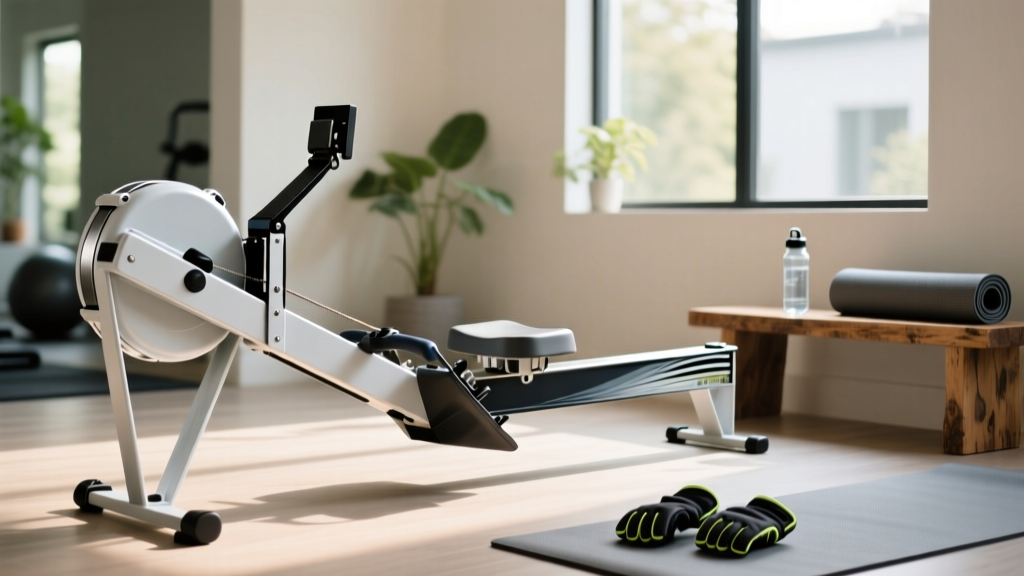
The Concept2 RowErg remains the benchmark against which all other rowers are measured. It utilizes a nickel-plated steel chain and a polycarbonate flywheel that provides a smooth, infinitely variable resistance based entirely on how hard you pull. The PM5 monitor is universally compatible with all major heart rate straps and rowing apps. While it lacks a flashy touchscreen, its indestructible build quality makes it the smartest financial pivot from a high-maintenance treadmill.
2. The Immersive Tech Experience: Hydrow Wave
- Price: $1,695
- Resistance Type: Electromagnetic
- Footprint: 80" L x 22" W
- Best For: Users who miss the interactive screens of premium treadmills and want guided, scenic workouts.
If you are abandoning a NordicTrack or Peloton treadmill, the Hydrow Wave is the most seamless transition. It uses a patented electromagnetic drag mechanism that mimics the exact feel of water resistance. The 16-inch touchscreen offers live and on-demand classes filmed on actual waterways around the world. Note that the Wave requires a $39/month subscription to access the full library of classes.
3. The Budget-Conscious Starter: Echelon Row
- Price: $549
- Resistance Type: Magnetic (16 levels)
- Footprint: 86" L x 22" W
- Best For: Casual users, small apartments, and those testing the waters of rowing.
For those who don't want to drop over a thousand dollars after just paying for a treadmill repair, the Echelon Row is a capable entry-level machine. It is significantly quieter than an air rower (making it ideal for shared living spaces) and folds upright for easy storage. However, the strap mechanism and plastic footplates lack the premium feel of higher-end models.
Space Planning: Replacing Your Treadmill's Footprint
One immediate benefit of ditching a treadmill is reclaiming floor space. A standard home treadmill requires a dedicated 70" x 30" footprint, plus an additional 24" of clearance behind it for safety. Rowing machines are longer but significantly narrower. During use, you will need roughly 9 feet of length, but when not in use, machines like the Concept2 can be separated into two pieces and stood upright in a closet, or the Hydrow can be tilted up against a wall using an optional wall anchor kit, taking up less than 2 square feet of floor space.
Mastering the Row: The 4-Phase Technique Breakdown
Unlike walking on a treadmill, rowing requires specific biomechanical coordination. According to the Mayo Clinic, proper form on low-impact machines is essential to prevent lower back strain and maximize cardiovascular output. Memorize this sequence: Legs, Core, Arms on the drive, and Arms, Core, Legs on the recovery.
- The Catch (Starting Position): Sit tall with your shins completely vertical. Your arms should be straight, shoulders relaxed, and torso hinged slightly forward from the hips (around 11 o'clock). Do not over-compress; your heels can lift slightly, but your shins must not go past vertical.
- The Drive (The Power Phase): This is an explosive push. Drive through your heels and extend your legs. Your arms remain straight and your torso angle stays the same until your legs are nearly fully extended. Once the legs are flat, hinge your core backward to 1 o'clock, and finally, draw the handle into your lower sternum.
- The Finish (End of Stroke): Legs are fully extended, core is leaned back slightly, and the handle is resting just below your ribcage. Your wrists should be flat, and elbows drawn back past your torso.
- The Recovery (The Return): The recovery is the active rest phase and should take twice as long as the drive. Extend your arms forward first, hinge your torso back to 11 o'clock, and only then allow your knees to bend and slide forward to return to the Catch.
The most common beginner error is 'shooting the slide'—pushing with the legs while the arms remain straight and the torso doesn't move, causing the hips to shoot forward while the handle stays behind. This places massive, dangerous shear force on the lumbar spine. Ensure your legs, core, and arms move in a fluid, sequential chain.
The Damper Setting Myth: Understanding Drag Factor
When transitioning from a treadmill where you simply press a button to increase the incline or speed, the mechanical damper on the side of an air rower's flywheel is often misunderstood. Beginners instinctively crank the damper to 10, believing it equals a 'harder' workout, much like maxing out a treadmill incline. This is a fast track to exhaustion and poor form.
According to the engineering guidelines published by Concept2, the damper simply controls how much air enters the flywheel housing, which affects how quickly the wheel decelerates. What you should actually look at is the Drag Factor, a measurable number displayed on the PM5 monitor's diagnostic menu.
- Damper at 10: Drag factor of ~200+ (Feels like rowing a heavy, slow wooden boat).
- Damper at 3-5: Drag factor of 100-130 (Mimics the sleek, fast feel of an Olympic racing shell on water).
For 90% of your cardiovascular workouts, keep the damper between 3 and 5. You generate more power and burn more calories by pulling harder and faster at a lower drag factor than by grinding away at a 10.
Cardiovascular Benefits: Why Rowing Beats the Treadmill
The American Heart Association recommends at least 150 minutes of moderate-intensity aerobic activity per week. While a treadmill fulfills this requirement, it primarily targets the lower body and carries a high repetitive-impact toll on the knees, hips, and ankles. Rowing fulfills the AHA's cardiovascular requirements while simultaneously acting as a resistance training stimulus for the posterior chain (glutes, hamstrings, lats, and rhomboids). You are effectively combining a heavy deadlift session with a tempo run, all while seated and sparing your joints from ground-reaction forces.
Frequently Asked Questions
Can I fix a treadmill broken belt myself to save money?
Yes, but it is labor-intensive. You must remove the motor hood, side rails, and rear roller to slide the old belt off and the new one on. You will also need to recalibrate the belt tension and track alignment. If you are not mechanically inclined, the $150+ labor cost for a technician is usually worth avoiding the risk of misalignment, which will destroy the new belt within weeks.
How often do I need to oil a rowing machine chain?
For a Concept2 or similar chain-driven rower, you should apply a teaspoon of purified mineral oil every 50 hours of use. Simply wipe the chain with a paper towel, apply the oil while rotating the flywheel, and wipe off the excess. Never use WD-40 or thick greases, as they will attract dust and degrade the internal mechanisms.
Is rowing safe for people with lower back pain?
When performed with correct technique, rowing is highly recommended for back rehabilitation because it strengthens the erector spinae and core without axial loading (compression on the spine). However, if you have an acute herniated disc or active sciatica, consult a physical therapist before starting, as the flexion required at the 'Catch' position may aggravate certain disc issues.
What is a good target time for a 2000-meter row?
For a beginner male, breaking the 9:00 minute mark for a 2000m row is a solid initial milestone. For a beginner female, sub-10:00 is an excellent goal. Advanced athletes typically aim for sub-7:00 (men) and sub-8:00 (women). Focus on maintaining a consistent split time rather than sprinting the first 500 meters and burning out.
More gear to consider
All reviews
Cursor Fitness C70 Treadmill Review: Office Value & Budget Breakdown

80i Fold Flat Treadmill by 3G Cardio: 2026 Buying Guide & Comparisons
Buying a Treadmill for Your Treadmill and Stairmaster Workout Setup
Air Bike vs Assault Bike: Better Than 30 min on the treadmill?

Motor HP Guide: Why Your Treadmill Has Power But Won't Turn On