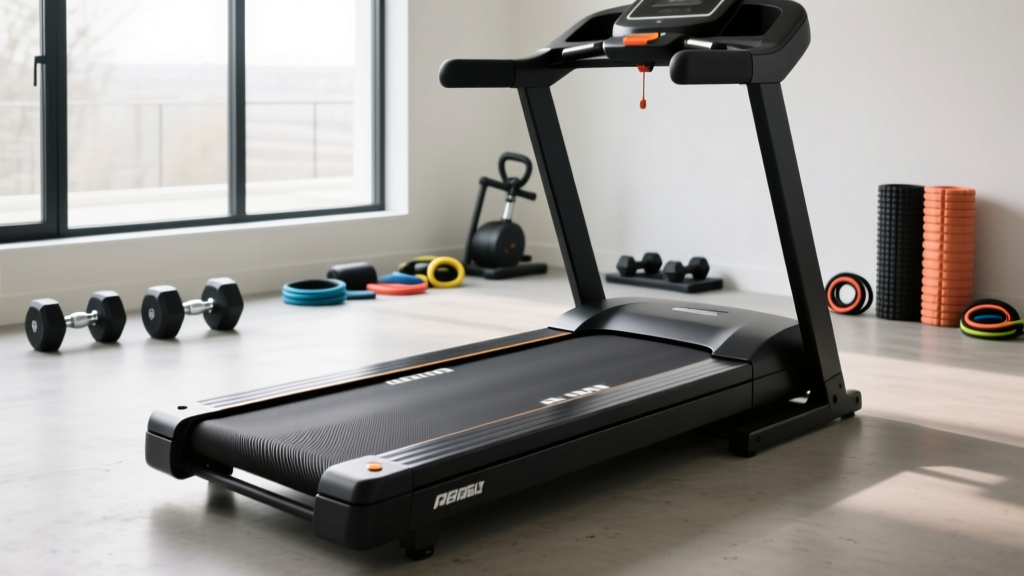
Treadmill Belt Maintenance Costs & The Best Way to Move a Treadmill
Analyze treadmill belt lubrication costs, DIY vs pro value, and learn the best way to move a treadmill without damaging the deck or motor.

The Hidden Economics of Treadmill Friction
When evaluating the total cost of ownership for home cardio equipment, most buyers focus on the initial purchase price, subscription fees, and electricity draw. However, the most significant financial risk to your treadmill lies in a microscopic gap: the space between the walking belt and the wooden deck. Neglecting treadmill belt maintenance and lubrication doesn't just result in a squeaky workout; it triggers a cascade of mechanical failures that can turn a $1,500 investment into scrap metal within two years.
Furthermore, the physical condition of your belt directly impacts how you handle the machine during home renovations or relocations. Understanding the best way to move a treadmill requires more than just brute strength; it requires an understanding of belt tension, static electricity, and deck friction. In this comprehensive budget breakdown and value analysis, we will dissect the exact costs of treadmill maintenance, compare DIY versus professional servicing, and outline the precise protocols for moving your machine without causing catastrophic alignment or motor damage.
Budget Breakdown: Maintenance vs. Catastrophic Failure
To understand the value of routine lubrication, we must first quantify the cost of neglect. When a belt runs dry, the friction coefficient between the PVC/rubber belt and the phenolic deck spikes. This forces the drive motor to draw excessive amperage to maintain speed, eventually burning out the motor windings or frying the lower control board.
| Service / Intervention | Average Cost (2026) | Frequency | Value Verdict |
|---|---|---|---|
| DIY Silicone Lubrication | $15 - $25 | Every 3-6 months | Highest ROI; mandatory for warranty |
| Professional Tune-Up & Lube | $150 - $250 | Annually | Good for folding models with complex latches |
| Replacement Walking Belt | $150 - $350 | Every 5-8 years | Moderate value; requires technical skill |
| Deck & Motor Replacement | $800 - $1,500+ | As needed (Failure) | Poor value; often exceeds machine's residual worth |
As the data illustrates, a $20 bottle of silicone lubricant acts as an insurance policy against an $800 motor and deck replacement. According to Consumer Reports, motor burnout caused by excessive belt friction remains one of the top reasons for treadmill failure within the first three years of ownership.
The Chemistry of Lubrication: What to Buy
Not all lubricants are created equal, and using the wrong chemical compound will instantly void your manufacturer warranty. You must use 100% pure silicone formulated specifically for fitness equipment.
- SpotOn Treadmill Lube ($18.99): Features a specialized wand that reaches the center of the deck without requiring you to fully loosen the belt tension bolts. This preserves your factory alignment.
- Impresa Products Silicone ($14.50): A reliable, budget-friendly squeeze bottle option. Best for older, heavier decks where you can easily slide your hand underneath the belt.
- Horizon Fitness Silicone Spray ($12.00): An aerosol option. While convenient, aerosols can overspray onto the floor, creating a slipping hazard. Use with caution and place a drop cloth underneath.
Why Belt Health Dictates the Best Way to Move a Treadmill
Relocating a 200-pound cardio machine is a high-risk event. When researching the best way to move a treadmill, most guides focus on folding the deck and using a furniture dolly. However, from a mechanical engineering perspective, the state of your belt lubrication and tension is the most critical variable in preventing transit damage.
The Static Electricity and Heat Edge Case
If you attempt to move a treadmill that has a severely dried-out belt, the friction between the belt and deck generates immense static electricity. When you tilt the machine onto a dolly, the belt can shift aggressively against the dry deck, discharging a static shock that can fry the lower control board the moment you plug it in at the new location. Furthermore, a dry belt is brittle; the sharp folding angle of a hinge mechanism can cause micro-fractures in an unlubricated, stiffened belt.
Step-by-Step Relocation Protocol
To protect your investment, follow this exact sequence before moving your machine:
- Pre-Move Lubrication (24 Hours Prior): Apply 1 ounce of 100% silicone under the belt. Run the treadmill at 3.0 MPH for 5 minutes to distribute the fluid. This ensures the belt is pliable and reduces static buildup during the physical move.
- Check Belt Tension: You should be able to lift the center of the belt 2 to 3 inches off the deck. If it's too loose, the belt will slip off the rear roller when the treadmill is tilted vertically. If it's too tight, the immense downward pressure can crack the wooden deck when the machine's weight shifts during transit.
- Secure the Belt: Use a heavy-duty Velcro strap or a bungee cord to secure the walking belt to the side rails. This prevents the belt from sliding sideways and catching on the motor hood during the move.
- The Tilt and Roll: Engage the folding latch (if applicable). Never grab the console uprights to tilt the machine; this will snap the plastic housings. Always grip the welded steel frame near the base, lift using your legs, and lower it onto a rubber-wheeled furniture dolly.
Value Analysis: DIY Belt Replacement vs. Professional Service
Eventually, no amount of silicone will save a worn-out belt. The friction layer on the underside of the belt wears away, exposing the raw fabric weave. When this happens, you face a decision: replace it yourself or hire a technician.
Model-Specific Replacement Costs
- Sole F80 (2024-2026 Models): OEM replacement belts cost between $160 and $190. The deck is reversible (wax-coated on both sides), adding long-term value. DIY replacement takes about 90 minutes and requires a T-handle Allen wrench and a socket set. Professional labor adds $150.
- NordicTrack Commercial 1750: Replacement belts are pricier, ranging from $220 to $280 due to the wider 22-inch running surface and integrated cushioning system. Because the motor hood and side rail removal process is complex, paying a certified NordicTrack technician ($250 labor fee) is often the higher-value choice to avoid voiding the frame warranty.
"The true value of a treadmill isn't just in its motor size or screen resolution; it's in the accessibility of its maintenance points. Machines that require complete side-rail disassembly just to apply a $15 bottle of silicone lubricant inherently cost the consumer more in time and professional service fees over a 10-year lifespan."
Diagnostic Callout: Slippage vs. Friction
Before spending money on maintenance or repairs, accurately diagnose your belt's behavior. Misdiagnosis leads to wasted capital.
Symptom: Belt Slippage
What it feels like: The motor hums, but the belt hesitates or stops when you step on it.
The Fix: This is a tension issue, not a lubrication issue. Tighten the rear roller bolts by exactly one-quarter turn on each side. Do not over-tighten, or you will destroy the roller bearings.
Symptom: High Friction
What it feels like: The belt moves at a constant speed, but the motor housing gets hot, you smell burning rubber, or the machine suddenly shuts off mid-run (thermal overload).
The Fix: This is a lubrication or deck-wear issue. Apply silicone immediately. If the belt still grabs, flip or replace the phenolic deck.
Final Verdict: Protecting Your Investment
Treadmill belt maintenance is not an optional chore; it is a fundamental requirement of machine ownership. By committing $20 a year to high-quality silicone lubrication, you effectively eliminate the risk of $1,000+ motor and deck failures. Moreover, maintaining proper belt tension and lubrication ensures that when the time comes to rearrange your home gym, you can execute the best way to move a treadmill safely, without risking static damage to the control board or structural snapping of the deck. Treat the friction point with respect, and your cardio machine will easily survive a decade of daily use.
More gear to consider
All reviews
Top Under Desk Treadmills for a Low Impact Treadmill Workout in 2026

Beginner Treadmill Fitness Plan: Step-by-Step Feature Guide

Small Space Picks & the Weslo Cadence G 5.9 Treadmill Weight Limit
Vision Fitness T600 Treadmill vs Elliptical: Home Cardio Value
Treadmill Motor Size Guide: Is the ProForm 385 Treadmill Enough?
