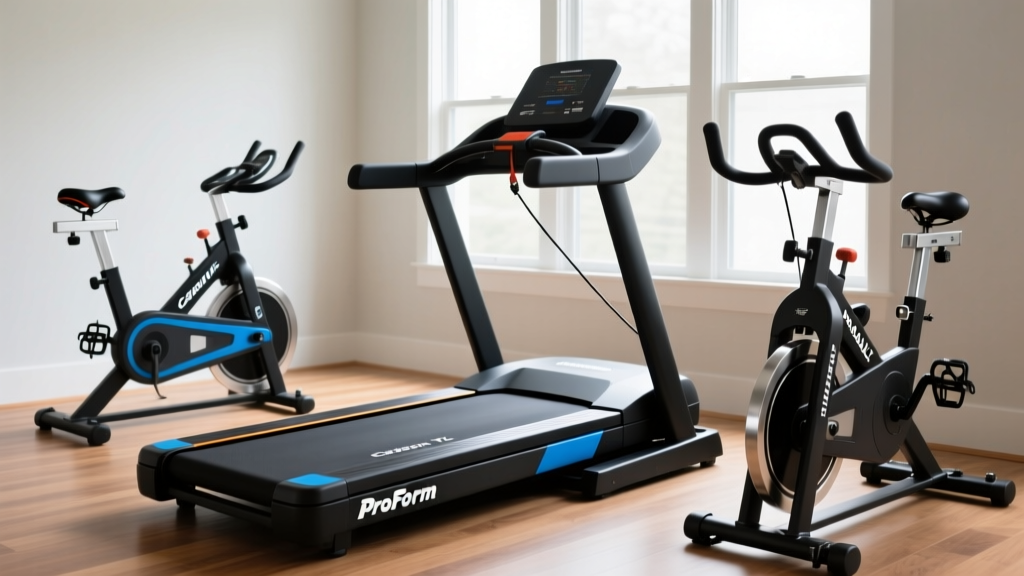
Optimize Treadmill Routines to Burn Fat: Belt Maintenance Guide
Maximize your treadmill routines to burn fat with expert belt maintenance. Learn lubrication steps, top product picks, and motor-saving tips.

The Hidden Link Between Machine Maintenance and Fat Loss
When fitness enthusiasts search for the most effective treadmill routines to burn fat, they almost exclusively focus on workout programming: the viral 12-3-30 method, 4x4 Norwegian HIIT protocols, or steep incline walking. However, as a senior equipment tester for FitGearPulse, I can tell you that your physiological output is entirely bottlenecked by mechanical reliability. You cannot safely execute a 10 mph sprint interval or sustain a 15% incline climb if your treadmill belt is stuttering, slipping, or suffering from excessive friction.
A dry, unlubricated belt doesn't just ruin your cadence; it introduces a severe slip hazard during high-intensity fat-burning intervals and drastically shortens the lifespan of your machine's motor and controller board. According to the Mayo Clinic's research on interval training, maintaining precise, uninterrupted intensity is critical for excess post-exercise oxygen consumption (EPOC)—the metabolic afterburn effect that drives fat loss. If your machine hesitates, your heart rate drops, and the metabolic stimulus is compromised.
In this hands-on guide, we bridge the gap between exercise science and mechanical engineering, showing you exactly how to maintain your treadmill belt to ensure every fat-burning routine is safe, smooth, and highly effective.
The Physics of Friction: How a Dry Belt Sabotages Your Workout
To understand why maintenance dictates the quality of your treadmill routines to burn fat, you need to understand amp draw. The motor control board (MCB) monitors the electrical current (amps) required to keep the belt moving beneath your feet.
- Optimal Lubrication: A well-lubricated belt on a standard 3.0 CHP home treadmill (like the Sole F80) draws between 2 to 4 amps at a 6 mph walking pace.
- Moderate Friction: As the silicone dries out, friction increases. The amp draw spikes to 6 to 8 amps. You may notice a slight hesitation when your foot strikes the deck.
- Severe Friction: A completely dry belt causes the amp draw to exceed 10 to 14 amps. The MCB will either trip the thermal breaker mid-workout or, worse, blow a capacitor, resulting in a $250+ repair bill.
When you are performing high-incline routines to target visceral fat, the motor is already working at a mechanical disadvantage. Adding belt friction to a 12% incline climb pushes consumer-grade DC motors past their thermal limits, leading to sudden shutdowns right in the middle of your peak fat-burn zone.
Hands-On Review: Top 3 Silicone Lubricants for 2026
Not all silicone oils are created equal. The viscosity and applicator design dictate how evenly the lubricant spreads across the deck. After testing dozens of formulations on commercial and residential decks, here are our top picks for maintaining your machine.
| Product | Viscosity / Purity | Applicator Type | Avg. Price | Best Use Case |
|---|---|---|---|---|
| Godora Silicone Oil | 100% Pure Silicone, Medium Viscosity | Extended Angled Wand | $15.99 | Deep deck penetration on wide belts (22"+) |
| Impresa Products Lube | 100% Silicone, Low Viscosity | Squeeze Tube with Nozzle | $12.49 | Quick top-ups on compact/folding treadmills |
| Horizon Fitness Lube | Proprietary Silicone Blend | Standard Squeeze Bottle | $13.95 | OEM spec for Horizon and Matrix home models |
Expert Verdict: The Godora Silicone Oil wins our top pick. The extended, angled wand allows you to reach the exact center of a 20-inch or 22-inch belt without having to excessively loosen the rear roller tension, saving you time and preserving belt alignment.
The 15-Minute Expert Lubrication Protocol
Forget the vague instructions in your user manual. Here is the exact, step-by-step protocol our technicians use to service high-end residential treadmills like the NordicTrack Commercial 1750 and Peloton Tread.
Step 1: Safety and Access
Unplug the treadmill from the wall. Never perform maintenance on a live machine. Locate the two rear roller adjustment bolts at the back end of the foot rails. These are typically 8mm or 5/16-inch Allen (hex) bolts.
Step 2: The 'Counted Turn' Loosening Method
Using the correct hex key, turn the left bolt counter-clockwise. Count the exact number of turns. For most belts, 3 full turns is enough to create a gap. Repeat the exact same number of turns on the right bolt. This ensures your belt stays perfectly centered.
Step 3: Application
Lift the edge of the belt. Insert your applicator wand as close to the center of the deck as possible. Squeeze exactly 0.5 oz (half of a standard 1 oz bottle) in a zig-zag pattern. Repeat on the opposite side. Do not over-apply; excess silicone will sling off the belt onto your floor and shoes, ruining your traction during sprint intervals.
Step 4: Re-Tensioning and Distribution
Tighten both bolts clockwise by the exact number of turns you loosened them (e.g., 3 full turns). Plug the machine in, turn it on, and set the speed to 2.0 mph. Walk on it for 3 to 5 minutes, stepping deliberately from the left edge to the right edge to manually massage the silicone evenly across the phenolic deck.
⚠️ CRITICAL WARNING: The WD-40 MythNever use standard WD-40, lithium grease, or any petroleum-based solvent on your treadmill. Petroleum products will chemically dissolve the rubber backing of the belt and destroy the phenolic resin coating on the deck, turning a $15 maintenance task into a $300 deck-and-belt replacement.
Advanced Troubleshooting: When Lubrication Isn't Enough
If you have properly lubricated your belt but are still experiencing hesitation during your treadmill routines to burn fat, you are likely dealing with one of three advanced mechanical failure modes:
1. Deck Warping (The MDF Failure)
Cheaper treadmills use Medium-Density Fiberboard (MDF) decks coated in wax. Over time, sweat drips past the belt, degrading the wax and causing the MDF to absorb moisture and warp. A warped deck creates a 'valley' that increases friction no matter how much silicone you add. Solution: Flip the deck (if reversible) or upgrade to a machine with a sealed phenolic resin deck.
2. Belt Stretching and Fraying
Belts are made of layered cotton and polyester. After 1,500+ miles of heavy interval training, the internal fibers stretch. If you have to tighten the rear roller bolts more than 4 full turns past the factory baseline to stop slipping, the belt is structurally compromised and must be replaced (typically $60–$90 for OEM parts).
3. Drive Belt Slippage
Don't confuse the walking belt with the drive belt. The drive belt connects the motor to the front roller. If the walking belt is lubricated but the machine still stutters under heavy loads (like steep incline walking), the rubber drive belt may be glazed or loose. This requires removing the motor hood and adjusting the motor mount tension bracket.
Frequently Asked Questions
How often should I lubricate my belt if I do HIIT routines daily?
High-Intensity Interval Training generates more lateral force and heat than steady-state jogging. If you perform intense treadmill routines to burn fat 5+ days a week, you should lubricate the belt every 90 days or 130 miles, whichever comes first. Standard users can stretch this to every 180 days.
Can I use silicone spray instead of liquid oil?
No. Aerosol silicone sprays contain propellants and solvents that can degrade the belt adhesives. Furthermore, the overspray coats your treadmill's optical sensors and motor vents, causing overheating. Always use 100% liquid silicone oil designed specifically for fitness equipment.
Does a heavier user require more frequent lubrication?
Yes. According to equipment stress tests analyzed by Consumer Reports, user weight directly correlates to deck friction. Users over 220 lbs compress the belt tighter against the deck, squeezing lubricant out to the edges faster. Heavier users should check their belt friction monthly using the 'hand slide' test.
Final Thoughts: Protect Your Progress
The most scientifically sound treadmill routines to burn fat are useless if your equipment cannot safely handle the mechanical load. By investing 15 minutes and $15 in high-quality silicone lubricant every few months, you ensure that your sprints are explosive, your inclines are steady, and your motor survives the long haul. Treat your machine like the high-performance engine it is, and it will support your fitness goals for years to come.
More gear to consider
All reviews
Curved vs Motorized Treadmills: Buying Guide & Treadmill Donation

Curved Manual vs Motorized: Is the Wahoo KICKR Treadmill Right for You?

Curved Non Motorized Treadmill vs Motor HP: Troubleshooting

Treadmill Broke? Beginner Guide to Motor Horsepower

Fulmly Treadmill vs. Top Compact Rivals: 2026 Buying Guide