
Does Running on a Treadmill Burn Belly Fat? Small-Space Cardio Guide
Wondering if running on a treadmill burns belly fat? Discover how compact, portable cardio equipment maximizes fat loss in small apartment layouts.

The Core Question: Does Running on a Treadmill Burn Belly Fat?
When designing a home gym in a compact apartment or multi-use room, fitness enthusiasts frequently ask: does running on a treadmill burn belly fat? The physiological answer is yes, but not for the reasons most people think. Running on a treadmill creates a caloric deficit, which forces your body to tap into stored energy. However, spot reduction—the idea that you can target abdominal fat specifically by doing a certain exercise—is a pervasive myth. According to Harvard Health Publishing, visceral and subcutaneous belly fat is lost systemically through consistent aerobic activity and dietary management, not by isolating the midsection.
Here is where space optimization and layout design intersect with human physiology. A traditional treadmill like the NordicTrack Commercial 1750 requires an active footprint of 70 inches long by 35 inches wide, plus a 72-inch ceiling clearance. In a 600-square-foot apartment, this massive footprint often leads to the 'clothes hanger effect'—the machine becomes a spatial burden and is abandoned. Because fat loss requires consistency over intensity, a compact, portable cardio machine that you actually use every day will burn significantly more belly fat over a year than a commercial-grade treadmill you avoid because it dominates your living room.
The Spatial Cost of Traditional Treadmills
Before investing in heavy, stationary cardio equipment, you must account for the architectural realities of your space. Interior design and ergonomic standards dictate the 30-Inch Traffic Flow Rule. You need a minimum of 30 inches of clear walkway space around any piece of furniture or equipment to prevent a room from feeling cramped and to ensure safety during use.
Calculating the True Footprint
- Machine Dimensions: 70" x 35" (Standard Treadmill)
- Safety Clearance (Rear): 24" (Required to prevent injury if you fall off the back)
- Traffic Flow (Sides/Front): 30" minimum
- Total Spatial Cost: Roughly 124" x 95" of dedicated, unusable floor space.
In micro-apartments or multi-purpose guest rooms, sacrificing over 80 square feet of floor space to a single piece of equipment is a layout failure. This is why the 2026 fitness market has heavily pivoted toward high-efficiency, compact portable cardio equipment.
Compact Portable Cardio: The Small-Space Fat-Loss Arsenal
To achieve the caloric deficit necessary to burn belly fat without ruining your home's spatial flow, you need equipment that offers a high metabolic return on investment (ROI) while maintaining a near-zero storage footprint. Below is a comparison of the best space-optimized cardio machines available today.
| Equipment Type | Model Example (2026) | Active Footprint | Storage Footprint | Est. Caloric Burn (160lb/hr) | Price Range |
|---|---|---|---|---|---|
| Smart Walking Pad | UREVO URtm035 | 50" x 21" | 50" x 21" (Under-bed/sofa) | 250 - 300 kcal | $150 - $190 |
| Folding Magnetic Rower | XTERRA ERG650W | 86" x 21" | 36" x 21" (Upright/Closet) | 400 - 550 kcal | $380 - $450 |
| Under-Desk Elliptical | Cubii JR2 | 23" x 17" | 23" x 17" (Under-desk) | 150 - 200 kcal | $240 - $280 |
| Compact Air Bike | Assault Fitness AirBike ProX | 50" x 26" | 50" x 26" (Corner placement) | 500 - 700 kcal | $750 - $850 |
1. Smart Walking Pads (The NEAT Multiplier)
Walking pads are the ultimate layout-friendly cardio solution. By sliding a UREVO URtm035 under a standing desk or sofa, you capitalize on Non-Exercise Activity Thermogenesis (NEAT). While a 3.1 mph walk burns fewer calories per minute than a sprint, the ability to walk for 90 minutes while working or watching television results in a massive daily caloric deficit. Layout Tip: Store the pad vertically in a closet or slide it under a bed with at least 6 inches of ground clearance.
2. Foldable Magnetic Rowers
Rowing engages 86% of the body's musculature, making it incredibly efficient for systemic fat loss. The XTERRA ERG650W folds down to a 36-inch base, allowing you to tuck it into a corner or deep closet. Unlike treadmills, rowers do not require ceiling height clearance, making them perfect for basement apartments or rooms with low-hanging pendant lights.
3. Under-Desk Elliptical Gliders
For severe space constraints, the Cubii JR2 provides low-impact, seated cardio. While it won't replace high-intensity interval training (HIIT), it keeps your heart rate in Zone 2 (fat-burning zone) without requiring any dedicated floor space.
Space Optimization Pro-Tip: Vibration Dampening
When placing portable cardio gear on hard surfaces (hardwood or laminate) in multi-story buildings, impact noise and vibration are major issues. Always place a 1/2-inch thick, high-density EVA foam interlocking mat beneath your walking pad or rower. This protects your floors, reduces acoustic transfer to neighbors below, and extends the life of the machine's internal bearings by absorbing micro-vibrations.
Micro-Apartment Layout Strategies for Cardio Gear
Integrating cardio equipment into a living space requires intentional interior design. Here is a framework for placing portable cardio gear without compromising your home's aesthetic or functionality.
- The Window Alignment Rule: Place your walking pad or folding rower facing a window. Natural light reduces perceived exertion and improves mood, increasing the likelihood that you will stick to your routine. Furthermore, UV exposure helps regulate circadian rhythms, which is vital for morning cardio sessions.
- The Hidden Power Protocol: Avoid running extension cords across high-traffic walkways—a major tripping hazard and visual eyesore. Route power cables along baseboards using paintable cord covers, or position your equipment near existing outlets behind low-profile media consoles.
- Climate and Humidity Zoning: Never store portable electronic cardio gear in high-humidity zones (like bathrooms or unventilated sunrooms). Sweat and ambient moisture will corrode the exposed PCB boards on walking pads and folding rowers, voiding the warranty.
'The best cardio machine for fat loss is the one that remains in your daily line of sight without causing spatial friction. If a machine makes your room feel claustrophobic, your brain will subconsciously avoid using it.' — Ergonomic Space Planning Guidelines for Residential Fitness
Edge Cases: Where Portable Cardio Fails
While compact equipment is superior for small layouts, it comes with specific mechanical and physiological limitations that buyers must understand.
- Walking Pad Motor Overheating: Most budget walking pads (under $250) feature 1.5 to 2.0 Peak HP motors designed for walking, not running. If a 200lb user attempts to jog at 5.0 mph for more than 30 minutes, the motor will overheat and trigger a thermal shutoff. Solution: If you want to run to maximize caloric burn, you must upgrade to a compact folding treadmill with a continuous duty 2.5 CHP motor, like the Horizon T202.
- Folding Rower Bungee Failure: Compact rowers often use elastic bungee cords for the return stroke rather than heavy-duty chains. After 100,000+ pulls, these cords can fray and snap. Regularly inspect the return mechanism and lubricate the rail to prevent friction wear.
- Under-Desk Biomechanics: Using an under-desk elliptical while sitting in a standard office chair often results in a 90-degree knee angle, which can cause patellar impingement over time. Ensure your chair is adjustable so your hips are slightly higher than your knees during use.
Final Verdict: Consistency Over Footprint
So, does running on a treadmill burn belly fat? Yes, aerobic exercise is a proven driver of systemic fat loss, as corroborated by extensive research from the Mayo Clinic on cardiovascular health and metabolic conditioning. However, buying a massive treadmill that ruins your apartment's layout will inevitably lead to inconsistent use.
By pivoting to compact, portable cardio equipment like smart walking pads and foldable rowers, you eliminate the spatial friction that causes home-gym abandonment. You can achieve the exact same caloric deficit—and the resulting belly fat loss—by utilizing space-optimized gear that seamlessly integrates into your daily life and home layout. In 2026, smart spatial design and physiological consistency are the true keys to transforming your body at home.
More gear to consider
All reviews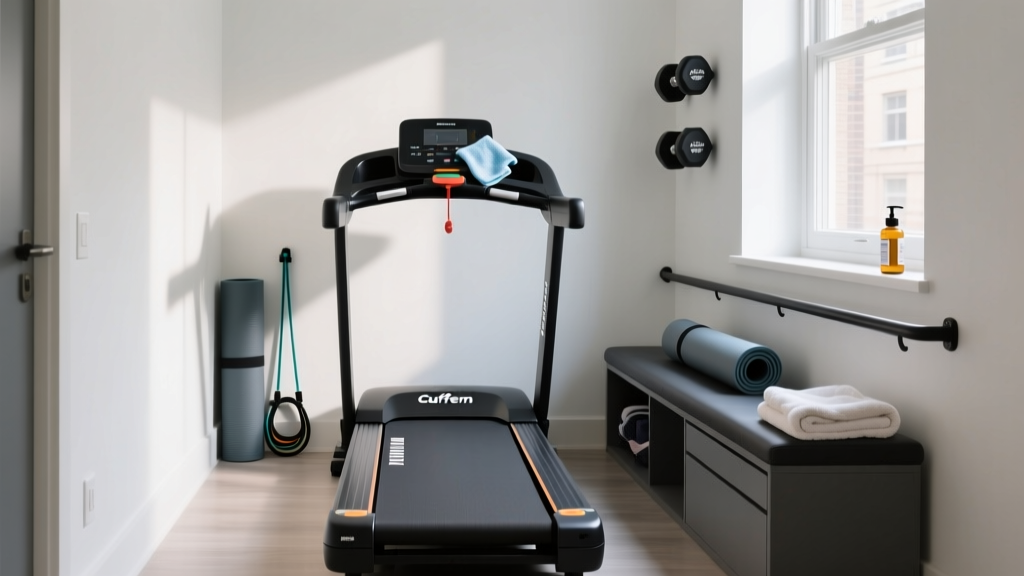
Cuffem Treadmill Review: Small Space Maintenance & Longevity Guide
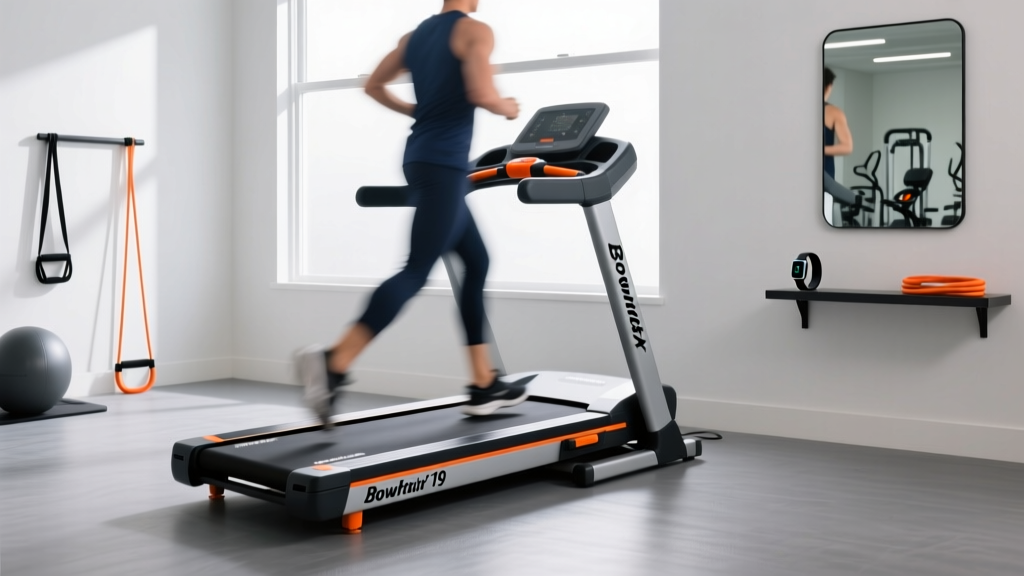
Elliptical vs Treadmill: Bowflex T9 Review & Value

Precor 223 Treadmill vs Stationary Bike Types: 2026 Market Trends

Under Desk Treadmill Review: Safety, Treadmill Key & Care

NordicTrack Commercial 2450 Treadmill: Setup & Feature Comparison
