
Home Stair Climber Guide & Treadmill Sled Push Fixes
Master your home cardio with our 2026 stair climber guide and treadmill sled push troubleshooting tips. Fix biomechanical errors and machine faults today.

The home fitness landscape in 2026 has shifted heavily toward high-resistance, low-impact cardiovascular training. Two modalities currently dominate the premium home gym space: the traditional stair climber and the increasingly popular treadmill sled push (utilizing manual curved treadmills or specialized friction modes). While both offer unparalleled metabolic conditioning and lower-body hypertrophy stimuli, they are frequently misused, leading to stalled progress, joint pain, and catastrophic equipment failure.
This comprehensive guide and troubleshooting manual bridges the gap between biomechanical execution and mechanical maintenance. Whether you are dialing in your stair climber machine for home use or troubleshooting a sluggish curved treadmill for sled pushes, this guide provides the exact specifications, error codes, and form corrections you need.
The Home Stair Climber: Biomechanical Mistakes & Fixes
The stair climber remains a gold standard for vertical power and gluteal development. However, a study on aerobic exercise mechanics highlights that improper load distribution can negate up to 40% of the caloric expenditure while increasing lumbar shear forces. Here are the most common execution errors and how to fix them.
1. The 'Handrail Hang' (Postural Failure)
The Mistake: Users drape their forearms over the console or grip the side rails tightly, leaning back at a 30-degree angle. This transfers the load from the glutes and quads to the latissimus dorsi and shoulder joints, effectively turning a lower-body workout into an awkward upper-body isometric hold.
The Fix: Adopt the 'Hover Grip.' Rest only your fingertips on the side rails for balance, not weight support. Your torso should remain upright with a slight 5-degree forward hinge at the hips. According to the American Council on Exercise (ACE), maintaining a neutral spine with an engaged core maximizes gluteus maximus activation during the concentric push-off phase.
2. Shallow Stepping & Cadence Mismanagement
The Mistake: Taking rapid, shallow steps (half-reps) where the knee never reaches 90 degrees of flexion. This primarily targets the calves and quads while neglecting the posterior chain.
The Fix: Implement 'Full-Depth Pacing.' Drop your RPMs from 80+ down to 50-60. Drive your foot completely through the pedal, ensuring the opposite knee reaches at least hip height. Focus on pushing through the heel to engage the hamstrings and glutes.
⚠️ Troubleshooting Warning: Pedal 'Bottoming Out'If your stair climber pedal consistently hits the floor housing before your leg reaches full extension, your machine's drive chain has stretched. On models like the StairMaster StepMill 7000, locate the tensioner bolt at the base of the drive shaft and tighten it by exactly one full clockwise rotation to restore the 8-inch step depth.
Stair Climber Mechanical Troubleshooting
Modern stair climbers use complex optical sensors and heavy-duty gearboxes. When they fail, they usually throw specific error codes. Here is how to troubleshoot the most frequent 2026 home gym issues.
- Error Code 3 (Speed Sensor Fault): The console cannot read the pedal RPM. Fix: Unplug the machine. Remove the lower shroud and locate the optical sensor near the flywheel. Use compressed air to blow out accumulated dust and sweat residue. Check the 3-pin wiring harness for corrosion; apply a dab of dielectric grease if the pins look oxidized.
- Console Randomly Resetting: Usually a voltage drop issue. Fix: Ensure the machine is on a dedicated 15-amp or 20-amp circuit. Plugging a high-draw stair climber into a power strip shared with a space heater or large TV will cause micro-voltage drops that reboot the logic board.
- Squeaking Drive Chain: Fix: Never use WD-40 on a stair climber chain. Use a dry PTFE (Teflon) bicycle chain lubricant. Apply sparingly to the inner rollers while manually rotating the pedals backward, then wipe off excess to prevent dust attraction.
The Treadmill Sled Push: Execution & Safety Errors
The 'treadmill sled push' has exploded in popularity for home gyms. Crucial Clarification: This refers to pushing the unpowered belt of a manual curved treadmill (like the AssaultRunner Pro or TrueForm Trainer) to simulate a weighted sled push, OR using a specialized motorized treadmill with a dedicated 'friction/sled mode.' Pushing a physical weighted sled on a standard motorized treadmill will instantly destroy the motor control board and void your warranty.
1. Hip Hinge & Spinal Alignment Failures
The Mistake: When simulating a heavy sled push on a curved manual treadmill, users often round their lower back (lumbar flexion) and drop their head, trying to muscle the belt forward with their calves and lower back.
The Fix: Treat the treadmill handrails like the uprights of a heavy sled. Lock your arms in a slight bend, brace your core as if anticipating a punch, and maintain a neutral spine from your cervical vertebrae to your pelvis. The power must originate from aggressive hip extension. As noted by kinesiology experts at ExRx, the sled push is a triple-extension movement; ensure your ankles, knees, and hips are all driving forcefully.
2. Striking Angle & Foot Placement
The Mistake: Stepping too far forward on the curve of the treadmill, causing the belt to catch and jerk, leading to Achilles strain.
The Fix: Keep your foot strikes centered on the flattest part of the curve's trough. Drive the ball of your foot into the slats, pushing horizontally backward rather than stepping downward.
Curved Treadmill Troubleshooting for Sled Pushes
Manual curved treadmills rely on gravity and friction. When used for high-resistance sled pushes, the mechanical stress is immense.
| Symptom | Root Cause | Exact Fix (2026 Models) |
|---|---|---|
| Belt slips under heavy push | Running surface tension loss | Locate the rear axle tensioners. Use a 14mm socket to turn both side bolts clockwise by exactly 1/4 turn. Test and repeat if necessary. Do not over-tighten, or you will destroy the sealed bearings. |
| Jerky or 'stuttering' belt | Dry slat guide rails / debris | Clean the UHMW plastic guide rails with isopropyl alcohol. Apply a 100% pure silicone-based treadmill lubricant to the rails. Never use petroleum-based products. |
| Loud clicking on one side | Track misalignment | If the belt tracks left, tighten the left rear tensioner by 1/8th of a turn, or loosen the right side by the same amount. |
Head-to-Head: Stair Climber vs. Curved Treadmill Sled Push
Choosing between these two modalities for your home gym depends on your spatial constraints, budget, and specific athletic goals. The Mayo Clinic emphasizes that varying aerobic stimuli is key to long-term cardiovascular health and injury prevention.
| Metric | Stair Climber (e.g., StepMill 7000) | Curved Treadmill Sled Push (e.g., AssaultRunner) |
|---|---|---|
| Primary Muscle Target | Glutes, Quads, Calves (Vertical) | Hamstrings, Glutes, Core (Horizontal) |
| Impact Profile | Moderate (Eccentric loading on descent) | Low (Concentric-only push, shock-absorbing slats) |
| Footprint (L x W) | ~ 48" x 34" (Small vertical footprint) | ~ 70" x 33" (Requires horizontal clearance) |
| 2026 Avg. Cost | $7,500 - $8,500 (Commercial grade) | $3,500 - $4,500 (Prosumer grade) |
| Maintenance Level | High (Chain tension, optical sensors) | Medium (Slat lubrication, bearing checks) |
Preventative Maintenance Schedule
To ensure your equipment survives the rigors of daily high-intensity interval training (HIIT), adhere to this strict maintenance matrix:
- Weekly: Wipe down all handrails and console screens with a non-corrosive, electronics-safe antibacterial wipe. Sweat contains high levels of sodium and urea, which will rapidly corrode exposed metal and degrade rubber grips.
- Monthly: Inspect the power cord for fraying. Vacuum the lower motor shroud of your stair climber to prevent overheating of the drive motor. Check curved treadmill slats for hair or pet fur wrapped around the axle ends.
- Bi-Annually: Re-lubricate curved treadmill guide rails. Check and recalibrate stair climber pedal leveling using a standard carpenter's level to ensure the drive shaft isn't warping under asymmetrical user loads.
By correcting these pervasive biomechanical errors and staying ahead of mechanical wear, you can transform your stair climber and treadmill sled push sessions from frustrating chores into highly efficient, joint-friendly engines for cardiovascular and muscular development.
More gear to consider
All reviews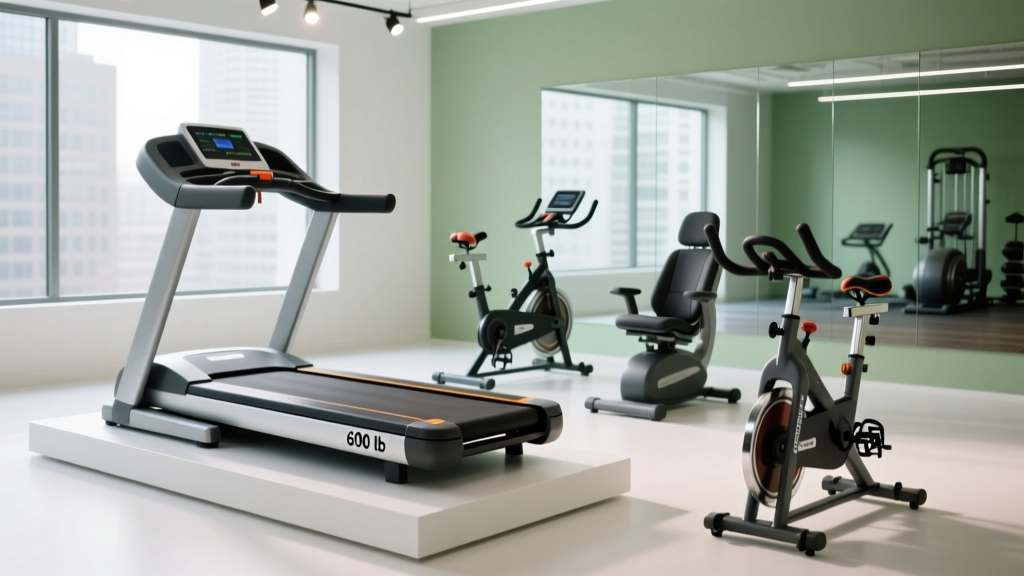
Heavy-Duty Treadmill 600 lb Capacity vs Bikes: 2026 Budget Guide
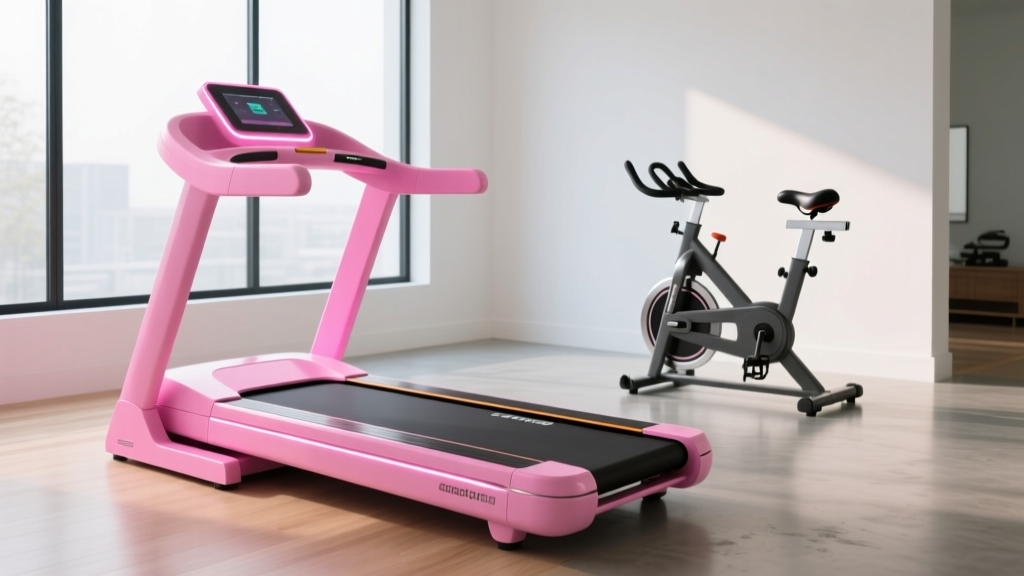
Pink Treadmill With Incline vs Stationary Bike Types: 2026 Trends

Pro NRG Treadmill Noise vs Quiet Cardio: Step-by-Step Guide

ProForm 520i treadmill vs 2026 Compact Cardio Market Trends
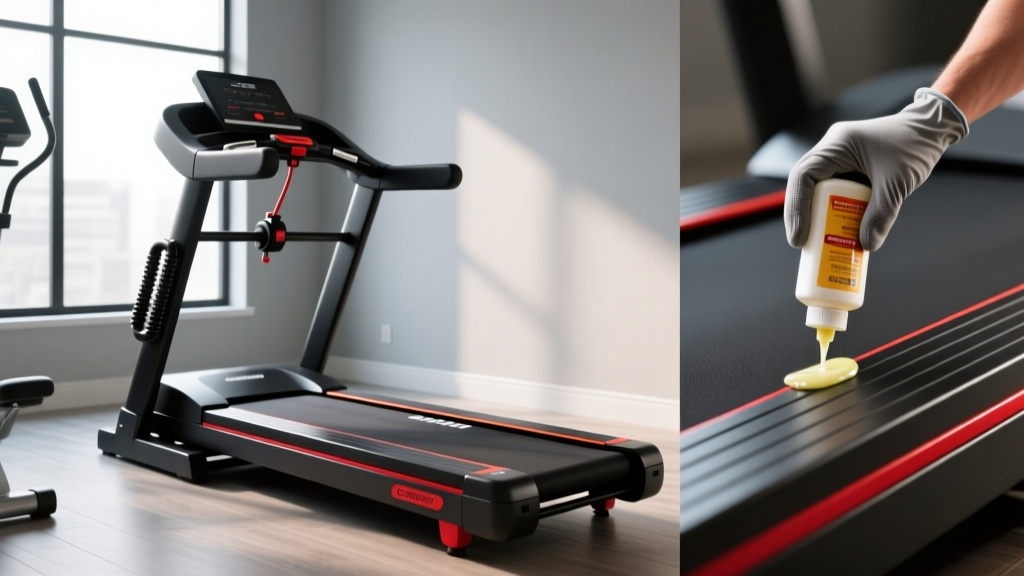
Treadmill Handle Attachment Safety & Belt Lubrication Maintenance
