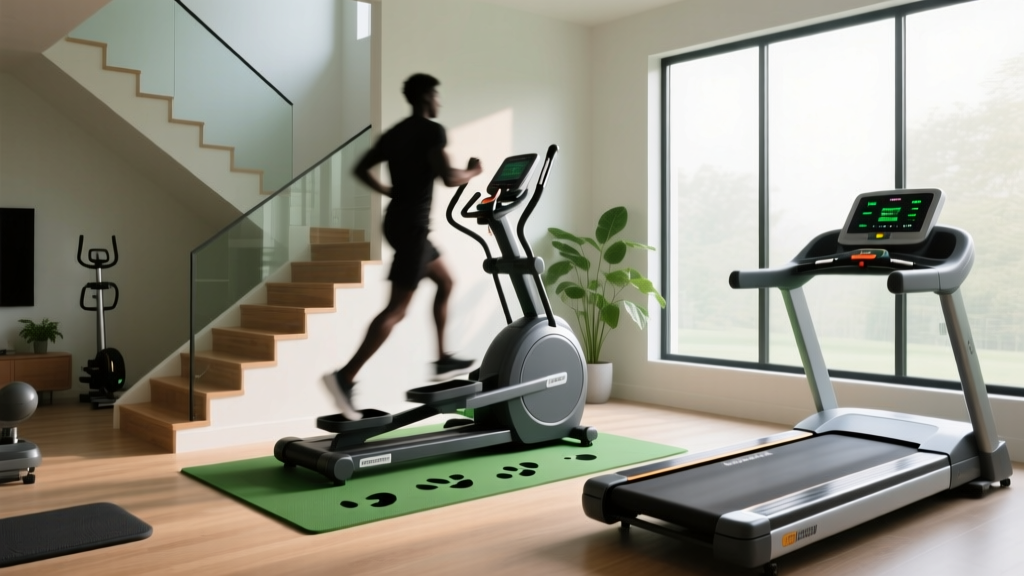
Stair Climber Setup vs Running on Incline Treadmills
Expert 2026 guide to stair climber installation for home gyms. Compare spatial, electrical, and setup needs vs running on incline treadmill machines.

The Shift: Why Home Gym Owners Are Upgrading to Stair Climbers
As home fitness technology evolves in 2026, a noticeable trend has emerged among serious cardio enthusiasts: the migration away from traditional treadmills. While running on incline treadmill machines has long been a staple for posterior chain engagement and calorie burning, the repetitive joint impact and massive spatial footprint are driving users toward dedicated stair climbers. Models like the StairMaster SC700i and the Bowflex Max M9 offer superior glute isolation and lower-impact biomechanics. However, installing a stair climber is fundamentally different from unboxing a standard bike or elliptical. This complete setup and installation walkthrough will guide you through the structural, electrical, and mechanical requirements of integrating a commercial-grade stair climber into your home gym.
Phase 1: Spatial Planning and Structural Requirements
Unlike flat or incline treadmills where your head remains at a relatively static elevation, stair climbers require significant vertical clearance. Failing to account for this is the number one reason home gym owners have to return their equipment.
Calculating Ceiling Height
To determine your minimum ceiling height, use the following formula:
- User Height + 15 inches (for stepmills like the StairMaster) or 20 inches (for pedal climbers like the Bowflex Max series).
For example, a 6-foot-tall user (72 inches) utilizing a StairMaster SC700i needs a minimum ceiling height of 87 inches (7 feet, 3 inches). If you are installing the machine on a thick rubber mat, add another 0.75 inches to this requirement.
⚠️ Structural Warning: Never install a heavy stepmill on a second-floor joist system without consulting a structural engineer. A commercial stepmill weighs between 250 and 300 lbs, and the dynamic load of a 200-lb user climbing at 150 steps per minute generates localized force spikes exceeding 600 lbs. Ground-floor concrete slabs are highly preferred.Phase 2: Electrical and Subfloor Preparation
Before the delivery truck arrives, your space must be prepped. Running on incline treadmill setups usually requires a standard 15-amp outlet, but heavy-duty stair climbers demand more rigorous electrical safety measures.
Electrical Requirements
- Dedicated Circuit: The StairMaster SC700i and similar commercial stepmills require a dedicated 120V, 20-amp circuit. Sharing this circuit with a space heater, air conditioner, or even a high-draw smart TV can trip the breaker mid-workout and corrupt the console's firmware.
- Surge Protection: Plug the machine into a UL-listed, 20-amp rated surge protector (minimum 2000-joule rating) to protect the 2026 HD touchscreens and internal alternators from voltage spikes.
Subfloor Dampening
Stepmills generate a low-frequency harmonic vibration as the heavy steel staircase rotates. To prevent this from transferring through your home's foundation, lay down a 3/4-inch thick vulcanized rubber horse stall mat (typically 4x6 feet). Avoid cheap PVC foam tiles; they will compress and degrade within months under the point-load of the machine's leveling feet.
Phase 3: Assembly Walkthrough (StairMaster SC700i Focus)
Assuming you have opted for the industry-standard StairMaster SC700i (retailing around $7,499 in 2026), the assembly process requires two people and roughly 90 minutes. The machine ships in a single massive crate weighing over 350 lbs.
Step-by-Step Mechanical Assembly
- Unboxing and Base Positioning: Cut the crate straps and remove the cardboard shell. Do not attempt to lift the base. Use a furniture dolly to roll the 275-lb base onto your rubber mat.
- Upright Installation: With a partner, lift the steel upright column. Align it with the four bolt holes on the base plate. Insert the M10 x 30mm hex bolts. Pro Tip: Hand-thread all bolts before using a torque wrench to tighten them to exactly 35 Nm (Newton-meters) to prevent stripping the threads.
- Console and Wiring: Route the data cable through the center of the upright tube. Connect the RJ45-style data connector to the back of the HD touchscreen console. Secure the console mounting bracket using the provided 15mm socket head bolts.
- Handrail Attachment: Slide the left and right ergonomic handrails onto the console brackets. Tighten the set screws underneath using a 5mm Allen key. Ensure the integrated heart rate sensors are facing inward.
Comparison Matrix: Stair Climber vs. Incline Treadmill Setup
Understanding the physical and logistical differences between these two cardio giants is crucial for long-term home gym planning. Below is a direct comparison based on 2026 flagship models.
| Feature | StairMaster SC700i (Stepmill) | NordicTrack X32i (Incline Treadmill) |
|---|---|---|
| Footprint (L x W) | 74" x 31" (Compact) | 80" x 40" (Bulky) |
| Ceiling Clearance | User Height + 15" | User Height + 5" (at max incline) |
| Machine Weight | 275 lbs | 340 lbs |
| Electrical Draw | 20-Amp Dedicated Circuit | 15-Amp Standard Circuit |
| Joint Impact | Low (Closed-chain kinetic) | Moderate to High (Plyometric load) |
Phase 4: Calibration and Software Syncing
Once the hardware is assembled, the machine must be calibrated. The internal alternator and optical sensors need to understand the exact weight of the rotating staircase to provide accurate MET (Metabolic Equivalent of Task) and calorie readings.
Performing the Diagnostic Calibration
- Power on the machine and enter the hidden diagnostic menu (usually by pressing and holding the 'Level Up' and 'Level Down' buttons simultaneously for 5 seconds).
- Select "Auto-Calibrate Stairs". The machine will run the staircase at varying speeds for approximately 3 minutes. Stand clear of the pedals during this process.
- Once the console displays "Calibration Successful," connect the machine to your home Wi-Fi network to download the latest 2026 firmware updates, which often include optimized resistance curves and new interactive climbing routes.
"Biomechanically, the closed-chain nature of stair climbing eliminates the deceleration forces associated with heel-striking on a treadmill belt. According to the American Council on Exercise (ACE), this makes stair climbers significantly more joint-friendly for aging athletes while maintaining a massive cardiovascular demand."
Troubleshooting Common Installation Fail
Even with meticulous setup, home gym owners occasionally run into specific edge cases during the first week of use.
- The "Stepmill Squeak": If you hear a rhythmic squeaking noise, it is rarely the chain. It is almost always the leveling feet vibrating against the floor. Apply a thin layer of silicone grease to the bottom of the rubber leveling pads and ensure they are tightened flush against the base frame.
- Console Rebooting Mid-Climb: This is a classic voltage drop issue. If your 20-amp circuit is shared with overhead LED lighting or a dehumidifier, the sudden draw of the stair climber's motor will brownout the console. Move the machine to a truly dedicated breaker.
- Pedal Slip/Stutter: If the stairs feel like they are slipping under heavy loads, the internal drive belt tension needs adjustment. Locate the tensioner pulley under the side shroud and tighten the adjustment bolt by exactly one-quarter turn clockwise.
Final Thoughts on Your Cardio Upgrade
Transitioning from running on incline treadmill routines to a dedicated stair climber is a transformative upgrade for your home gym, offering unparalleled glute activation and cardiovascular conditioning. The CDC's Physical Activity Guidelines emphasize the importance of incorporating diverse, weight-bearing aerobic exercises to maintain bone density and metabolic health as we age. By respecting the structural, electrical, and spatial requirements outlined in this walkthrough, your stair climber will provide a commercial-grade, frictionless experience for years to come. Measure twice, wire correctly, and enjoy the climb.
More gear to consider
All reviews
Folding Treadmills for Small Spaces to Prevent Knee Pain After Jogging

Elliptical vs Treadmill Upkeep: Body Weight Supported Treadmill Care

Echelon Folding Treadmill vs Elliptical: Home Cardio Maintenance
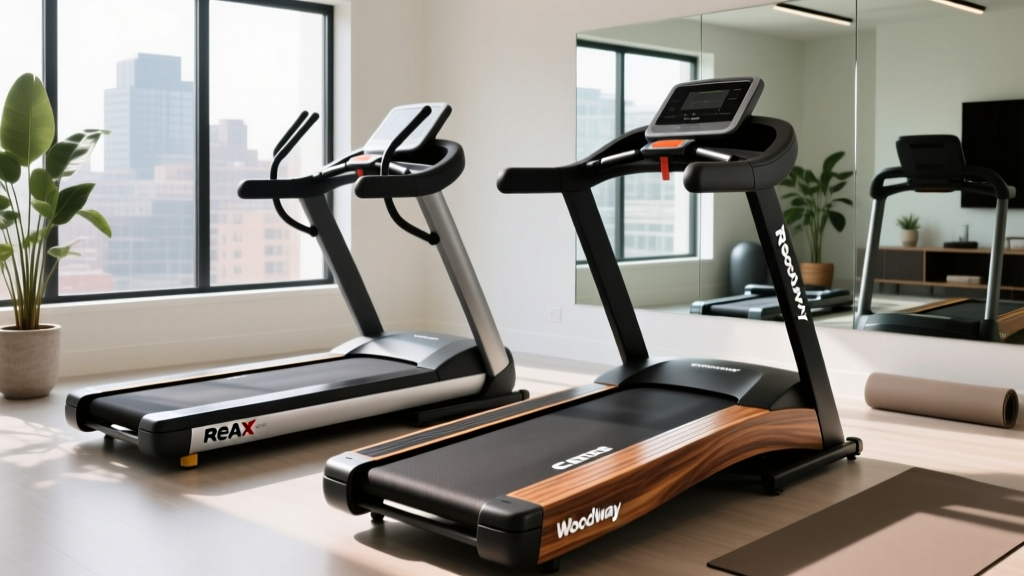
Reax Treadmill vs. Woodway Curve: 2026 Head-to-Head Feature Comparison

Assault vs Air Bike: 1 Hour on Treadmill Burns How Many Calories?
