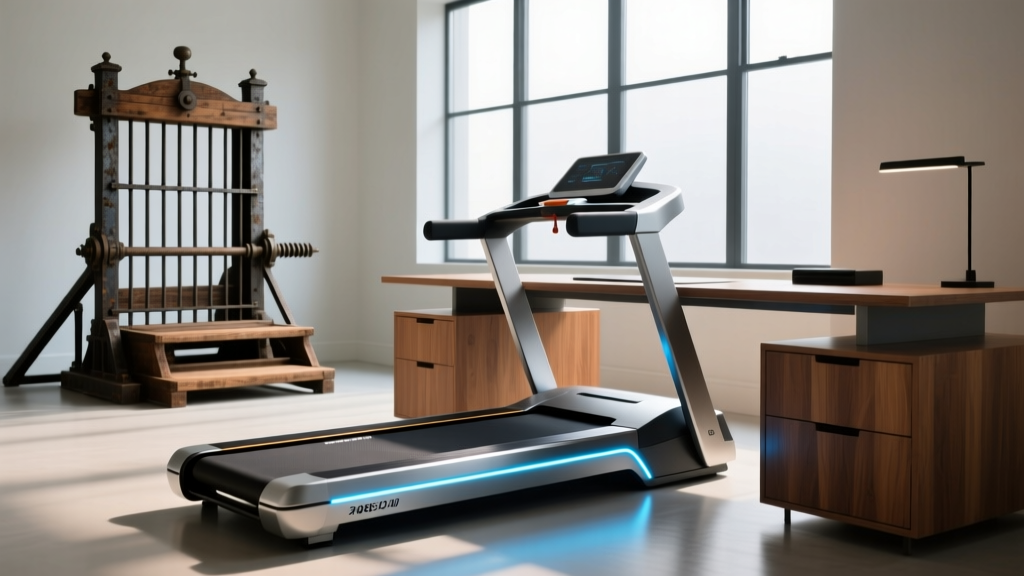
Sandpaper Treadmill Troubleshooting and Feature Comparison
Learn how to avoid the sandpaper treadmill effect. Compare key buying features like belt ply and deck friction, and troubleshoot common slipping issues.

The "Sandpaper Treadmill" Phenomenon Explained
When fitness technicians and repair specialists refer to a "sandpaper treadmill," they are typically describing one of two scenarios. The first is a severe degradation of the running belt, where the smooth top layer wears away to expose the rough, abrasive woven underside. The second is a dangerous internet myth where users mistakenly apply actual sandpaper to a glazed treadmill deck to "restore grip." Both scenarios result in catastrophic friction, excessive motor strain, and a high risk of user injury.
As we navigate the 2026 home fitness market, understanding the mechanics of belt friction is no longer just for repair technicians; it is a critical component of the modern treadmill buying guide. Selecting the wrong deck material or belt ply during your initial purchase is the primary reason consumers end up troubleshooting severe friction issues just months later. Below, we break down the exact features you must compare before buying, followed by a master troubleshooting guide to fix abrasive or slipping belts.
WARNING: Never use sandpaper, wire brushes, or abrasive chemicals on a treadmill deck or belt. Modern treadmill decks utilize specialized low-friction coatings (like phenolic resin or embedded wax). Abrading these surfaces will permanently ruin the deck, void your warranty, and cause the motor control board to overheat and fail.Treadmill Buying Guide: Features Comparison Matrix
To avoid the dreaded sandpaper treadmill effect, you must evaluate the friction-management features of any machine you intend to buy. The coefficient of friction between the belt and the deck dictates how hard the motor works and how smooth your stride feels. Use this comparison matrix to evaluate models across different price tiers.
| Feature Tier | Belt Construction | Deck Material | Motor Rating | 2026 Price Range | Friction Risk |
|---|---|---|---|---|---|
| Budget | 1-Ply (1.0mm) | Raw MDF Wood | 2.0 HP Peak | $400 - $700 | High (Rapid Wear) |
| Mid-Range | 2-Ply (1.6mm) | Phenolic Coated | 2.75 CHP | $800 - $1,500 | Low (With Lube) |
| Premium | 4-Ply (2.2mm+) | Reversible Wax | 4.0 CHP | $1,800 - $3,500+ | Negligible |
Key Buying Takeaways
- Belt Ply: Always opt for a minimum of 2-ply. The top layer provides traction for your shoes, while the bottom woven layer is designed to glide over the deck. 1-ply belts curl at the edges and degrade rapidly, creating that abrasive sandpaper texture.
- Deck Material: Medium-Density Fiberboard (MDF) is common in budget models but will warp and splinter if exposed to moisture or heavy impact. Phenolic resin-coated decks provide a glass-like surface that minimizes friction and heat buildup.
- Motor Sizing: Ignore "Peak HP" marketing jargon. You must look for Continuous Horsepower (CHP). A 2.75 CHP motor is the baseline for runners; anything less will bog down underfoot, increasing belt friction and accelerating wear.
Common Mistakes Buyers Make with Belt Friction
Even when buyers select a mid-range or premium treadmill, poor maintenance habits can trigger the sandpaper treadmill effect. According to biomechanics experts and data from the American Council on Exercise (ACE), improper equipment maintenance is a leading cause of altered gait mechanics and subsequent joint pain in home gym users.
Mistake 1: Using Petroleum-Based Lubricants
The most common fatal error is spraying WD-40 or petroleum-based silicone blends on a slipping belt. Petroleum degrades the rubber compounds in the belt, causing it to dry out, crack, and develop a rough, sandpaper-like surface. You must use only 100% pure liquid silicone designed specifically for fitness equipment.
Mistake 2: Ignoring the Coefficient of Friction
Buyers often assume that a tighter belt equals a better workout. Over-tensioning the belt presses it too hard against the deck, exponentially increasing the coefficient of friction. This forces the motor to draw excess amperage, which trips the thermal breaker or fries the lower control board.
Mistake 3: Neglecting the Break-In Period
New treadmill belts require a 30-day break-in period where the woven underside microscopically polishes the deck. Running at high inclines or sprinting during the first two weeks can cause uneven wear patterns that permanently ruin the belt's glide.
Step-by-Step Troubleshooting: Fixing Abrasive & Slipping Belts
If your treadmill belt is slipping, stuttering, or feeling abrasive underfoot, follow this precise troubleshooting protocol before calling a technician or resorting to destructive DIY hacks.
Step 1: The Lift & Feel Test
Turn off and unplug the machine. Reach under the center of the running belt and lift it away from the deck. It should raise exactly 2 to 3 inches. If it barely lifts, the belt is over-tensioned (causing high friction). If it lifts 5 inches or more, it is too loose (causing slipping). Run your hand along the underside of the belt; if it feels excessively dry or rough, lubrication is required.
Step 2: Proper Tensioning (The Quarter-Turn Rule)
Locate the rear roller adjustment bolts at the very back of the treadmill frame using the provided hex key. If the belt is slipping, tighten both the left and right bolts by exactly one-quarter (1/4) turn clockwise. Walk on the treadmill at 3.0 MPH. If it still slips, repeat the 1/4 turn. Never adjust more than a half-turn total without testing, or you risk snapping the belt seam.
Step 3: Precision Silicone Application
If the belt is dry, loosen the tension slightly to create a gap. Apply exactly 15ml (0.5 oz) of 100% liquid silicone in a zig-zag pattern across the center third of the deck. Re-tension the belt to the 2-3 inch lift specification, then run the machine empty at 4.0 MPH for five minutes to distribute the lubricant evenly.
Pro Tip: Keep a digital scale or a pre-measured syringe for your silicone lubricant. Over-lubricating will cause the silicone to leak out the sides of the belt, creating a severe slip hazard on your floor and attracting dust that turns into an abrasive paste.Biomechanics: How Deck Friction Impacts Your Joints
Why does the sandpaper treadmill effect matter beyond machine longevity? It directly impacts your physical health. The National Institute on Aging emphasizes that consistent, low-impact cardiovascular exercise is vital for long-term joint and bone health. However, a high-friction treadmill deck destroys the shock-absorption properties of the machine.
When a belt drags against a dry or damaged deck, the kinetic energy from your footstrike is not absorbed by the deck's elastomer cushions. Instead, the stuttering friction sends micro-vibrations and sheer force directly up through your ankles, knees, and lumbar spine. Furthermore, the U.S. Consumer Product Safety Commission frequently logs injuries related to treadmill belt stuttering, where a momentary hesitation in the belt causes the user to lose balance and fall. Maintaining a low-friction glide is a critical safety requirement, not just a performance luxury.
Final Verdict: What to Look for in 2026
The era of buying a cheap, 1-ply treadmill and expecting it to last a decade is over. As manufacturing costs have shifted, the gap between budget and mid-range treadmills has widened significantly regarding friction management. When consulting any treadmill buying guide, prioritize the deck coating and belt ply over digital touchscreens or built-in speakers. A 2-ply belt on a phenolic-coated deck, driven by a 3.0 CHP motor, remains the gold standard for avoiding the sandpaper treadmill effect. By understanding these feature comparisons and adhering to strict, measurement-based troubleshooting protocols, you can ensure your cardio machine delivers a smooth, joint-friendly stride for years to come.
More gear to consider
All reviews
Assault Curved Treadmill vs Motorized: HP & Motor Guide
Air Bike vs Assault Bike & GoPlus 2 in 1 Folding Treadmill Reviews

NordicTrack T Series 5 Treadmill Reviews: Setup & Noise Guide
Sytiry Treadmill Reviews: Elliptical vs Treadmill Care

Under-Desk Treadmill Review: Why Are Curved Treadmills So Expensive?