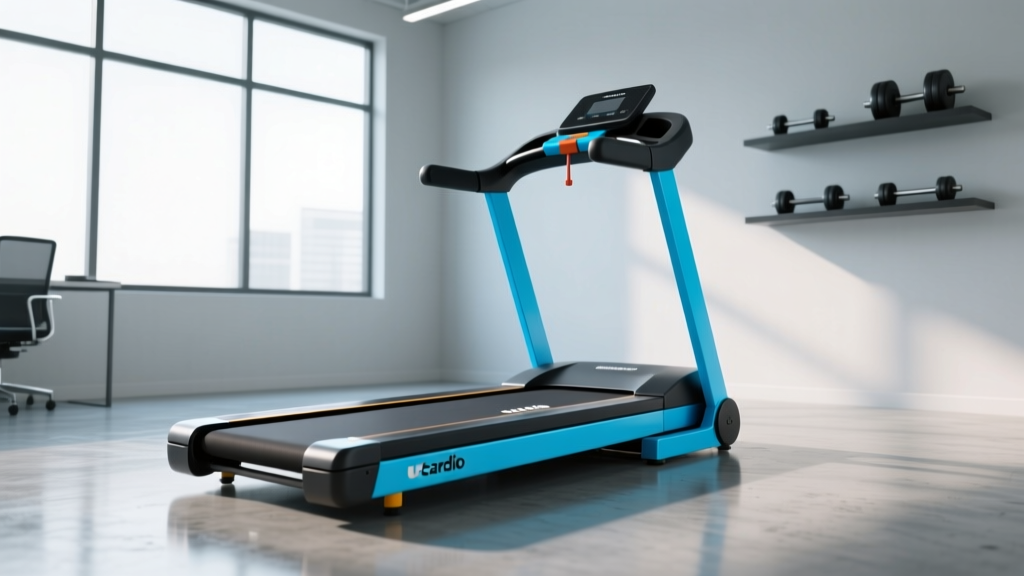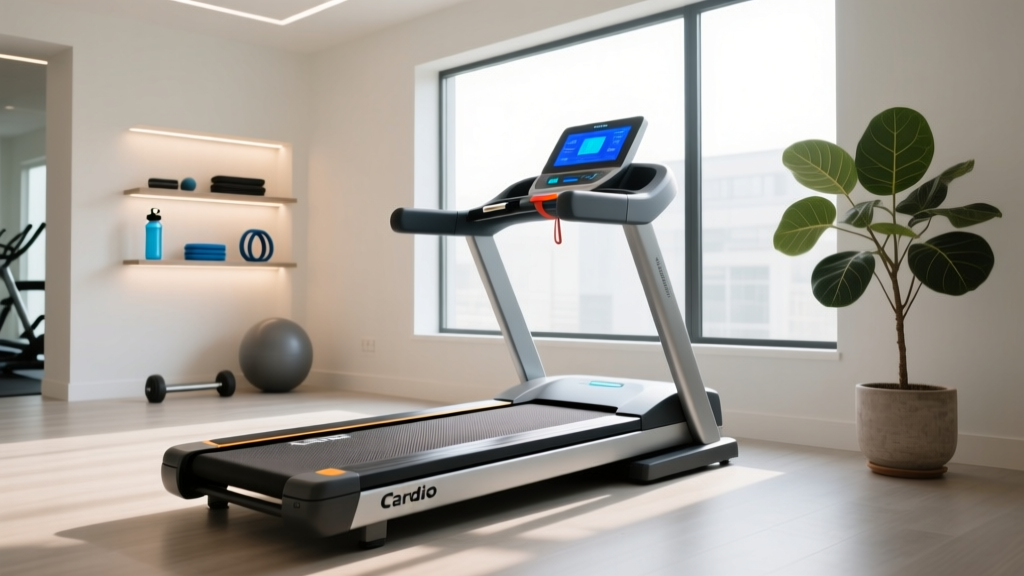
What Treadmill Does Orangetheory Use? Walking Pad Alternatives
Discover what treadmill Orangetheory uses and how to replicate the studio experience at home. Compare the best incline walking pads for 2026.

If you have ever survived a 'Tread Block' at an Orangetheory Fitness (OTF) studio, you know the unique blend of dread and exhilaration that comes with their signature interval sprints. For beginners looking to bring that heart-pumping experience home, the most common question we receive is: what treadmill does orangetheory use? While the commercial rigs in-studio are engineering marvels, they are rarely practical for a home gym. In this step-by-step beginner guide, we will answer that burning question, then pivot to a comprehensive 2026 walking pad treadmill comparison to help you find a space-saving, budget-friendly alternative that still lets you chase those coveted 'Splat Points.'
The Studio Secret: What Treadmill Does Orangetheory Use?
Orangetheory Fitness primarily uses custom commercial treadmills manufactured by FreeMotion (a subsidiary of Icon Health & Fitness). Historically, this was the iconic FreeMotion 11.0, though many newer 2026 studio refreshes feature the updated FreeMotion 8910 or custom OTF-branded variants.
Inside the OTF FreeMotion Specs:
- Motor: 4.0 Continuous Horsepower (CHP) commercial-grade motor.
- Top Speed: 12 to 15 MPH (built for 'All Out' sprints).
- Max Incline: 15% (crucial for 'Hill' blocks and power walks).
- Running Surface: 20-inch by 60-inch slat or high-density rubber belt.
- Retail Cost: $4,500 - $6,000+ for commercial equivalents.
While these machines are incredible, dropping $5,000 and dedicating 30 square feet of your bedroom to a commercial rig isn't realistic for most beginners. This is where the modern walking pad treadmill comes in. By understanding how to manipulate incline and resistance, you can replicate the OTF 'Base Pace' and 'Push' zones on a machine that slides right under your sofa.
Step 1: Translate Studio Metrics to Your Living Room
Before buying a walking pad, you must understand the OTF heart rate zones. According to SELF Magazine's comprehensive review of the OTF methodology, the goal is to spend 12 to 20 minutes in the 'Orange Zone' (84-91% of your max heart rate).
Because walking pads top out at 7.6 to 8.0 MPH, you cannot replicate the 12 MPH 'All Out' sprints. Therefore, your home strategy must shift from speed-based cardio to incline-based cardio. To trigger the same cardiovascular response without sprinting, you need a walking pad that offers a minimum of a 10% to 15% incline.
Step 2: The 2026 Walking Pad Comparison Matrix
Not all walking pads are created equal. Most cheap models only go up to 4.0 MPH and lack incline capabilities, making them useless for an OTF-style workout. We tested the top models capable of handling rigorous 'Base Pace' and 'Hill' blocks.
| Model | Max Speed | Max Incline | Weight Cap. | 2026 Price |
|---|---|---|---|---|
| KingSmith X21 Pro | 7.6 MPH | 15% (Auto) | 265 lbs | $599 |
| Sunny Health SF-T723016 | 8.0 MPH | 10% (Auto) | 250 lbs | $429 |
| UREVO Strol 2E | 7.6 MPH | 0% (Flat) | 265 lbs | $359 |
Step 3: Top Walking Pads Reviewed for Home Base-Pace
1. KingSmith WalkingPad X21 Pro (Best for OTF 'Hill' Blocks)
If you want the closest approximation to the FreeMotion's 15% incline capability, the KingSmith X21 Pro is the undisputed king of the walking pad category. Unlike flimsy foldable pads, the X21 features a robust 2.5 HP peak motor and a specialized auto-incline mechanism that physically raises the front deck to a 15% grade.
- The Good: True 15% incline allows you to hit the Orange Zone at a mere 3.0 MPH walking speed. The 47-inch running surface accommodates taller users (up to 6'2").
- The Bad: At 65 lbs, it is heavier than standard walking pads, making it slightly harder to slide under a bed.
- Best For: Beginners who want to replicate OTF 'Power Walking' and 'Hill' blocks without running.
2. Sunny Health & Fitness Auto-Incline SF-T723016 (Best Budget Incline)
Sunny Health has disrupted the 2026 market with the SF-T723016, offering auto-incline at a sub-$450 price point. While it maxes out at a 10% grade (compared to KingSmith's 15%), it still provides enough resistance to elevate your heart rate during a 'Base Pace' block.
- The Good: Fully assembled out of the box. The console includes pre-set interval timers that mimic studio block structures.
- The Bad: The belt is slightly narrower (17 inches), which requires strict form and focus to avoid stepping on the side rails.
- Best For: Budget-conscious beginners who need incline but cannot stretch to the $600 tier.
3. UREVO Strol 2E (Best for Flat 'Base Pace' & Zone 2 Cardio)
If you despise incline walking and prefer to jog at a light pace, the UREVO Strol 2E is a phenomenal flat-surface option. It lacks incline entirely, but features a highly shock-absorbent 5-layer belt that protects beginner joints.
- The Good: Ultra-quiet motor (under 45 decibels), making it perfect for apartment dwellers with downstairs neighbors. Folds completely flat (5.1 inches high).
- The Bad: Without incline, you will struggle to reach the Orange Zone without breaking into a 7.0+ MPH jog, which defeats the purpose of a 'walking' pad.
- Best For: Active recovery days and steady-state Zone 2 cardio.
Step 4: Hacking the 'Orange Zone' Without a 12 MPH Motor
Because you are capped at ~8 MPH on a walking pad, you must use external variables to spike your heart rate into the 84-91% target zone recommended by the Mayo Clinic for vigorous cardiovascular training. Here is your step-by-step hack:
- The 12-3-30 Protocol: Set your KingSmith X21 to a 12% or 15% incline. Walk at 3.0 MPH for 30 minutes. This creates a massive cardiovascular demand without the joint impact of sprinting.
- Add a Weighted Vest: Purchase a 10 lb to 15 lb adjustable weighted vest (like the CAP Barbell adjustable vest, ~$45). Wearing this during a 5% incline walk at 4.0 MPH will simulate the metabolic output of an 8 MPH flat run.
- Use Resistance Bands: Anchor a light resistance band to the front of your walking pad and hold the handles while walking. This engages the upper body, mimicking the full-body fatigue of an OTF floor-to-treadmill transition.
Pro-Tip for Beginners: Never hold onto the handrails when walking on a high incline. Leaning back and holding the rails reduces the caloric burn and incline effectiveness by up to 30%. Pump your arms as if you were power walking outdoors.
Step 5: Beginner Maintenance and Edge Cases
Walking pads have smaller motors and rollers than the $5,000 FreeMotion rigs used in-studio. To prevent your home machine from failing, follow these strict maintenance rules:
- Belt Tracking (The Drift Issue): If your belt drifts to the left or right and rubs against the plastic housing, do not panic. Locate the two tension bolts at the rear of the deck. Use the included Allen wrench to turn the bolt on the side the belt is drifting toward exactly one-quarter turn clockwise. Test at 2.0 MPH and repeat if necessary.
- Silicone Lubrication: Studio treadmills have self-lubricating belts. Walking pads do not. You must lift the belt and apply 100% pure silicone treadmill lubricant every 30 miles (or roughly every 6 weeks of daily use). Friction is the #1 killer of walking pad control boards.
- Thermal Shutoff Edge Case: If you are doing a 45-minute steep incline walk, a 1.5 HP to 2.0 HP motor may overheat and trigger a thermal shutoff. To prevent this, alternate between 2 minutes of high incline and 1 minute of flat walking to allow the motor fan to cool the internal components.
Final Verdict: Bringing the Studio Home
So, what treadmill does Orangetheory use? A massive, commercial-grade FreeMotion built for sprinting. But as a beginner building a home gym in 2026, you don't need a 4.0 CHP motor to get the results. By investing in an incline-capable walking pad like the KingSmith X21 Pro or the Sunny Health SF-T723016, and utilizing weighted vests and steep grades, you can perfectly replicate the metabolic demand of an OTF Tread Block—all while keeping your machine neatly tucked under your desk.
More gear to consider
All reviews
Echelon Folding Treadmill vs Elliptical: Home Cardio Maintenance
Setup Walkthrough: Curved Manual vs Nordic 1750 Treadmill Install
Maintaining Your AFG Sport 3.5 AT Treadmill & Compact Cardio Gear

Quiet Cardio Guide: Elliptical Treadmills and Machine Noise Compared

Best Folding Treadmills for Small Spaces: 2026 Pace Chart & Review