NordicTrack C2150 Treadmill Motor Guide: HP & Size Explained
Master treadmill motor sizes and horsepower with our beginner guide, featuring real-world specs from the NordicTrack C2150 treadmill to help you choose.

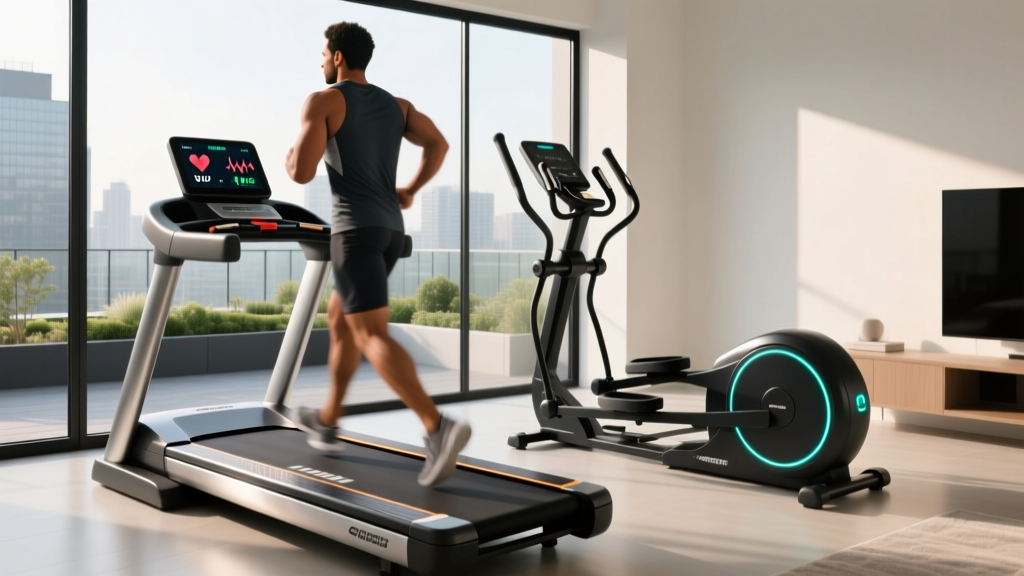
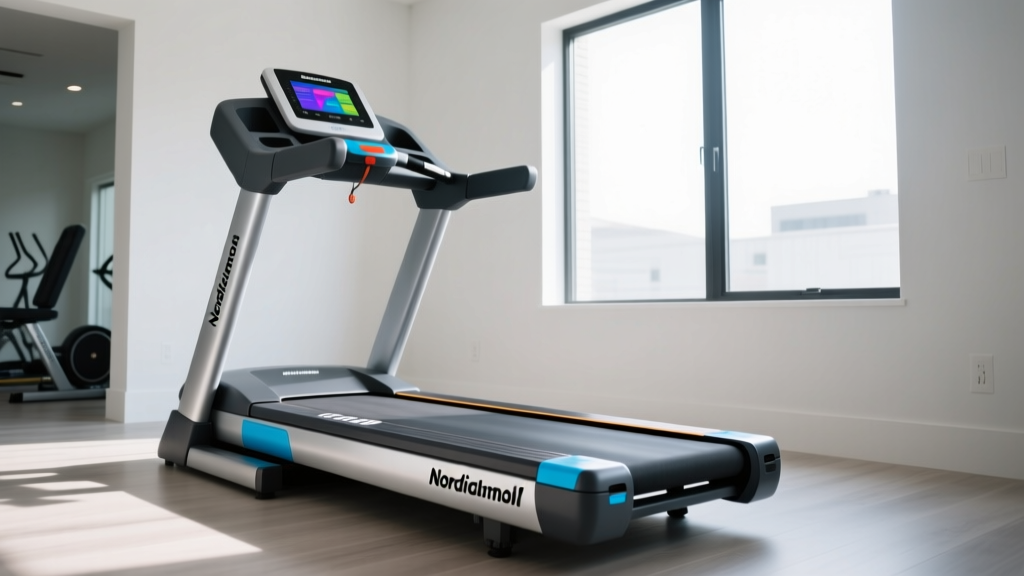
As we navigate the 2026 fitness equipment market, where entry-level smart treadmills often mask weak motors behind flashy touchscreens and interactive apps, understanding the mechanical heart of your machine is more critical than ever. For beginners, the jargon surrounding treadmill motors can be overwhelming. To demystify this, we are using a legendary benchmark: the NordicTrack C2150 treadmill. Known for its robust 3.0 Continuous Horsepower (CHP) Mach Z motor, the C2150 provides the perfect real-world case study to help you understand motor size, horsepower ratings, and how to match them to your biomechanics.
This step-by-step beginner guide will strip away the marketing fluff and teach you exactly how to evaluate treadmill motors, ensuring your investment lasts for years.
Beginner's Baseline: The NordicTrack C2150 Profile
Before diving into the steps, let's establish our reference point. The NordicTrack C2150 treadmill features a 3.0 CHP motor, a 20-inch by 60-inch running belt, and a 350-pound user capacity. In the secondary 2026 market, refurbished models typically sell for $450 to $750, offering a masterclass in durable motor engineering compared to modern $600 big-box store alternatives that max out at 1.5 Peak HP.
Step 1: Separate Marketing Fiction from Engineering Fact (CHP vs. Peak HP)
The most common trap for beginners is confusing Peak Horsepower with Continuous Horsepower. According to Consumer Reports' treadmill buying guidelines, manufacturers often use inflated Peak HP numbers to make budget machines sound more powerful than they are.
- Peak Horsepower (PHP): This measures the motor's maximum output at its highest RPM with zero weight on the belt. It is a useless metric for real-world running. A cheap walking pad might advertise a '3.0 Peak HP' motor that bogs down the moment a 150-pound user steps on it.
- Continuous Horsepower (CHP): This is the gold standard. It measures the power the motor can sustain continuously during a standard workout without overheating. The NordicTrack C2150 treadmill utilizes a true 3.0 CHP motor, meaning it can comfortably sustain an 8 mph pace for a 200-pound runner for hours without thermal degradation.
- Treadmill Duty (HP): A step above CHP, usually reserved for $4,000+ commercial gym treadmills, indicating the motor can run 24/7 in a high-traffic facility.
Actionable Takeaway: When shopping, completely ignore 'Peak HP'. Only look for the 'CHP' rating. For walking, you need a minimum of 2.0 CHP. For jogging, 2.5 CHP. For running, 3.0 CHP or higher.
Step 2: Analyze the Physical Motor Mass and Flywheel Size
Horsepower is just a measure of work output, but motor size (physical mass) dictates how well the machine handles heat. A true 3.0 CHP motor, like the one in the NordicTrack C2150, weighs between 18 and 22 pounds. Budget 2.0 CHP motors often weigh less than 12 pounds.
Why Physical Mass Matters
Electric motors generate heat as a byproduct of converting electricity into kinetic energy. Heavier motors contain more copper windings and a larger steel casing, which acts as a thermal heat sink. Furthermore, high-quality motors feature a larger, heavier flywheel (typically 2.5 to 3 inches in diameter on the C2150). A heavy flywheel stores rotational kinetic energy, smoothing out the micro-stutters that occur every time your foot strikes the deck. If a motor is physically small and light, it will overheat and trigger the internal thermal cutoff switch during long runs.
Step 3: Calculate Your Biomechanical Load (The Weight-to-HP Ratio)
Your body weight and the impact force of your gait directly dictate how hard the motor must work. Harvard Health Publishing notes that the biomechanical forces exerted on joints and surfaces vary wildly between walking and running. When you run, you exert a force of roughly 2.5 times your body weight on the deck. The motor must overcome this downward friction to keep the belt moving at a constant speed.
Use the matrix below to determine the minimum CHP you require based on your heaviest household user and primary activity.
| User Weight | Walking (Under 4 mph) | Jogging (4 - 6 mph) | Running (6+ mph) |
|---|---|---|---|
| Under 150 lbs | 2.0 CHP | 2.5 CHP | 2.75 CHP |
| 150 - 200 lbs | 2.25 CHP | 2.75 CHP | 3.0 CHP (C2150 Benchmark) |
| 200 - 250 lbs | 2.5 CHP | 3.0 CHP | 3.5 CHP |
| 250+ lbs | 3.0 CHP | 3.5 CHP | 4.0 CHP |
Step 4: Identify Early Warning Signs of Motor Strain
If you are using an undersized motor, or if a once-great motor like the one in the NordicTrack C2150 treadmill is beginning to fail due to neglect, the machine will communicate with you. Learning to read these physical cues can save you from a $400 motor replacement bill.
⚠️ The Motor Diagnostic Checklist
- Belt Stuttering (The 'Hesitation' Effect): If the belt briefly slows down when your foot strikes and then surges forward, the motor is struggling to maintain torque. This is often a sign of high deck friction rather than a dead motor.
- The 'Hot Plastic' Odor: A faint smell of ozone or melting enamel indicates the copper windings inside the motor are exceeding their thermal rating (usually around 140°F / 60°C for standard treadmill motors). Stop immediately and let it cool for 60 minutes.
- Tripped Breakers: Treadmills require a dedicated 15-amp or 20-amp circuit. If an undersized motor is working too hard, it will draw excessive amperage (spiking past 15 amps under load), tripping your home's breaker.
Step 5: Optimize Belt Tension and Deck Lubrication
The number one killer of treadmill motors is not old age; it is friction. If the running belt is too tight, or if the deck lacks lubrication, the motor must draw excess amperage just to keep the belt moving. According to biomechanics and sports engineering data referenced by the Mayo Clinic regarding exercise surfaces, the interaction between the user, the belt, and the deck dictates the mechanical load transferred through the machine's drivetrain.
How to Perform the 3-Inch Belt Lift Test
To ensure your motor isn't fighting unnecessary friction, perform this step-by-step tension check:
- Turn off and unplug the treadmill.
- Stand beside the machine and reach under the center of the running belt (midway between the front and rear rollers).
- Gently lift the belt upward. The ideal lift is exactly 2 to 3 inches.
- If it lifts 4 inches or more: The belt is too loose. It will slip under your feet, forcing the motor to spike in RPM to catch up, causing control board errors.
- If it lifts less than 1.5 inches: The belt is too tight. This puts immense lateral strain on the motor bearings and the rear roller, drastically increasing amperage draw and heat.
The 130-Mile Lubrication Rule
Most modern treadmills, including legacy models like the C2150, require 100% pure silicone lubricant applied between the belt and the wooden deck. Apply exactly 15ml (half an ounce) of silicone every 130 miles or every three months, whichever comes first. This single maintenance step can reduce the motor's amperage draw by up to 30%, effectively adding years to the lifespan of the copper windings and the electronic control board.
Summary: Making the Right Choice in 2026
Understanding treadmill motor sizes and horsepower is about looking past the digital console and focusing on the physical engineering. The NordicTrack C2150 treadmill remains a textbook example of how a true 3.0 CHP motor, paired with adequate physical mass and a heavy flywheel, creates a smooth, durable running experience. When evaluating new or used cardio equipment this year, use the biomechanical load matrix, verify the Continuous Horsepower, and commit to a strict friction-management routine. By doing so, you ensure your treadmill remains a reliable tool for your fitness journey, rather than an expensive clothes rack.
More gear to consider
All reviews
ProForm Carbon TL Treadmill: Features Comparison & Setup Guide

Maintenance Tips: C970 Pro Treadmill & Stationary Bike Types

Bike Types Maintenance: Why Avoid Treadmill 100 Silicone Lubricant?
NordicTrack Apex 4100i Treadmill: Best Folding Pick For Small Spaces
Sole Treadmill Parts Delayed? Top Compact Portable Cardio Options