NordicTrack 2450 Treadmill Noise Fixes & Cardio Machine dB Comparison
Compare cardio machine decibel levels and troubleshoot NordicTrack 2450 treadmill noise with our expert guide on belt tension, rollers, and motor sounds.

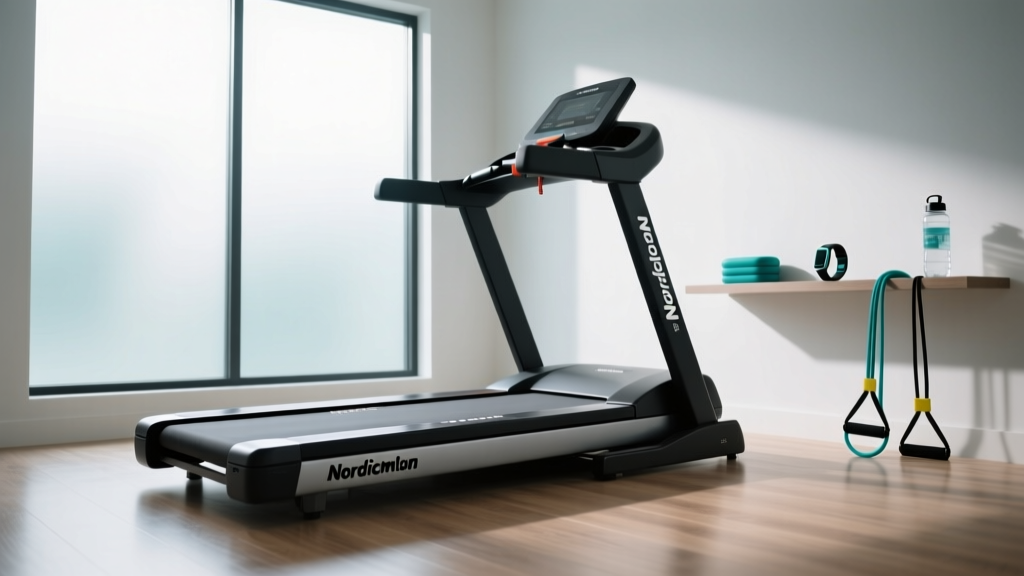
When outfitting a home gym, acoustic impact is rarely the first specification buyers check. Yet, as multi-story living and shared-wall residences become the norm in 2026, understanding the acoustic footprint of your equipment is critical. The NordicTrack 2450 treadmill (officially the Commercial 2450 series) is a powerhouse featuring a 4.0 CHP motor and a robust 300-pound steel frame. However, its sheer mass and mechanical complexity mean that when maintenance is neglected, it can easily become the loudest machine in your home.
This guide serves as a comprehensive troubleshooting manual for common noise-related mistakes made by NordicTrack 2450 owners, while also providing a broader decibel (dB) comparison across the most popular cardio machines on the market.
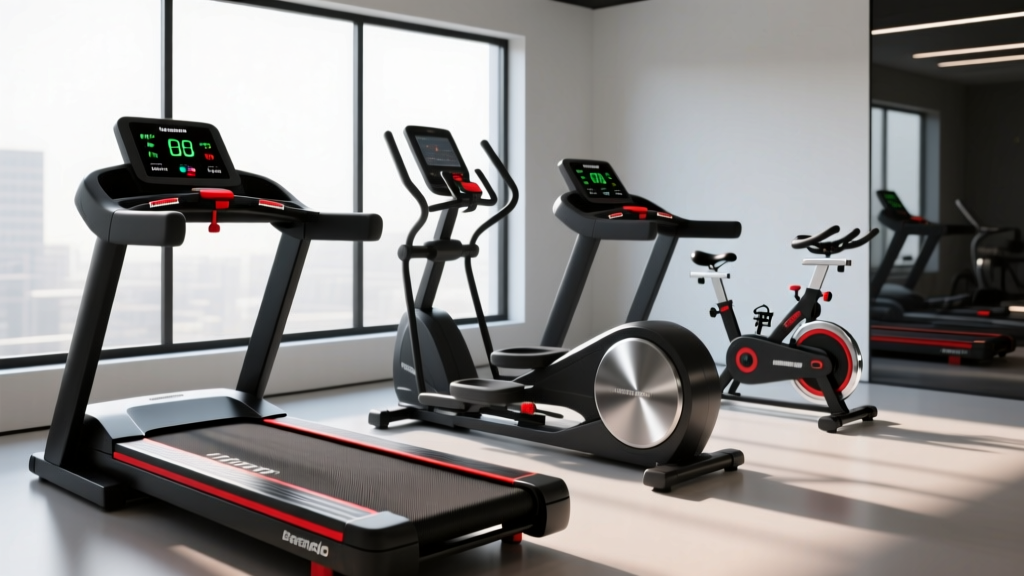
The Decibel Breakdown: Cardio Machine Noise Level Comparison
Before diagnosing your specific machine, it is vital to understand baseline acoustic expectations. According to the CDC's Noise Meter Chart, prolonged exposure to noise above 70 dB can begin to cause hearing fatigue, while standard conversation sits around 60 dB. Below is a comparative analysis of average operating noise levels for premium home cardio equipment.
| Cardio Machine Type | Example Model | Average dB Range | Primary Noise Source |
|---|---|---|---|
| Magnetic Upright Bike | Keiser M3i | 40 - 50 dB | Drivetrain whir, cooling fan |
| Elliptical Cross-Trainer | Sole E95 | 50 - 60 dB | Roller track friction, pivot joints |
| Air Rowing Machine | Concept2 Model D | 65 - 75 dB | Air displacement (fan cage) |
| Heavy-Duty Treadmill | NordicTrack 2450 | 70 - 82 dB | Belt/deck friction, motor, footstrike |
| Stair Climber | Bowflex Max M9 | 55 - 65 dB | Alternator resistance, pedal mechanics |
Note: Treadmill noise scales dynamically with user weight and belt speed. A 220-lb runner at 8 mph on a NordicTrack 2450 will generate significantly higher decibel output than a 150-lb walker at 3 mph, primarily due to footstrike impact resonance.
Common Mistakes: Why Your NordicTrack 2450 is Exceeding Normal dB Levels
As highlighted in the Consumer Reports Treadmill Buying Guide, heavy-duty treadmills require strict adherence to maintenance schedules. If your NordicTrack 2450 is pushing past the 80 dB threshold, you are likely making one of the following critical maintenance errors.
Mistake 1: Over-Tightening the Tread Belt to Cure Slippage
When users experience belt slippage during high-intensity interval training (HIIT), the instinctive reaction is to crank the rear roller adjustment bolts. This is a catastrophic mistake. Over-tightening increases friction between the belt and the phenolic deck, forcing the 4.0 CHP motor to work harder, generating excessive heat and a high-pitched mechanical whine.
Target Belt Lift Measurement
2.5 to 3.0 Inches
Measured from the center of the deck to the underside of the belt.
The Fix: Use a hex key to adjust the left and right rear roller bolts equally. Turn them counter-clockwise in quarter-turn increments until you can lift the center of the belt exactly 2.5 to 3.0 inches off the deck. If the belt still slips at this tension, the belt is likely stretched beyond its elastic limit and requires replacement (Part # 392712 or equivalent for the 22-inch Commercial series).
Mistake 2: Using Petroleum-Based Lubricants on the Deck
⚠️ Critical Warning: Never use WD-40, silicone spray from automotive stores, or any petroleum-based lubricant on your treadmill deck. These chemicals break down the urethane coating on the underside of the NordicTrack belt, leading to delamination, severe friction, and eventual motor control board (MCB) failure due to amp-draw spikes.The Fix: The NordicTrack 2450 requires a 100% pure silicone treadmill lubricant. Apply exactly 0.5 ounces (15 ml) in a zig-zag pattern under the belt every 150 miles or every 6 months. After application, run the treadmill at 3 mph for 5 minutes to distribute the silicone evenly across the phenolic deck.
Mistake 3: Ignoring the Incline Lift Tube Maintenance
The Commercial 2450 boasts an impressive -3% decline to 15% incline range. If you hear a loud, metallic "clunking" or grinding noise specifically when the incline is changing, the issue is not the incline motor itself, but the lift tube screw drive. Dust accumulation and lack of lubrication cause the threads to bind.
The Fix: Unplug the machine and remove the motor hood. Locate the incline lift tube (the large threaded metal shaft). Wipe away old, caked-on grease and debris with a microfiber cloth. Apply a generous layer of white lithium grease to the exposed threads. Cycle the incline from -3% to 15% three times without the hood on to work the grease into the internal housing.
Subfloor Resonance: The Hidden Amplifier
According to acoustic data referenced by the American Speech-Language-Hearing Association (ASHA), low-frequency vibrations can travel through structural joists, amplifying perceived noise in rooms directly below the gym. The NordicTrack 2450 weighs roughly 300 lbs; add a 200-lb runner, and you have 500 lbs of dynamic, shifting force impacting your floor 160 times per minute.
The Solution: Do not rely on standard puzzle mats. You need a high-density, vulcanized rubber equipment mat (minimum 3/8-inch thick, 80 durometer rating). For second-floor installations, pair the rubber mat with specialized anti-vibration treadmill isolation pads (such as those made by Diversified Tech or similar acoustic dampeners) placed directly under the four leveling feet of the treadmill frame.
Step-by-Step Diagnostic Protocol for Unknown Noises
If you have addressed the belt, deck, and incline tube but the noise persists, follow this diagnostic flow to isolate the failure point:
- The "Walk-Off" Test: Turn the treadmill on and set it to 3 mph. Step off the side rails. If the rhythmic thumping stops when you step off, the issue is footstrike resonance or a worn running shoe sole, not the machine.
- The "Free-Spin" Test: Turn the machine off and unplug it. Manually push the belt with your hands. If you feel gritty resistance or hear a dry rasping sound, your front or rear roller bearings are failing. (Replacement rollers typically cost between $80 and $140).
- The "Hood-Off" Motor Test: Remove the motor hood. Run the machine at 5 mph. If you hear a high-pitched squeal originating near the motor pulley, the drive belt (the small ribbed belt connecting the motor to the front roller) is glazed or losing tension. Loosen the motor mount bolts, apply slight outward pressure to increase tension, and retighten.
- The "Amp-Draw" Check: If the motor sounds like it is "bogging down" or humming loudly under your weight, use a multimeter to check the amp draw. A healthy 4.0 CHP motor should pull between 4 to 8 amps under load. If it consistently spikes above 12 amps, the motor or the motor control board is failing and requires professional warranty service.
Expert Insight: Many users mistake the sound of the cooling fan for motor failure. The NordicTrack 2450 utilizes a high-CFM internal cooling fan that engages based on motor temperature, not belt speed. If a loud rushing air noise kicks in 10 minutes into your run, this is normal thermal management. However, if the fan rattles, check for zip-tie or wire harness interference inside the motor shroud.
Frequently Asked Questions (FAQ)
Is it normal for the NordicTrack 2450 to hum when plugged in but not in use?
Yes. The Commercial 2450 features a large internal transformer and a motor control board that remains in a standby state to power the HD touchscreen and maintain Wi-Fi connectivity. A very faint, low-frequency hum (under 30 dB) is normal. If the hum is loud enough to hear from another room, check your wall outlet for improper grounding, which can cause transformer vibration.
How often should I check the roller alignment on my treadmill?
For heavy users (running 20+ miles per week), check belt tracking and roller alignment every 90 days. The vibration from repetitive footstrikes can slowly back out the rear roller adjustment bolts over time, causing the belt to drift left or right and create a rubbing noise against the side rail caps.
Can I use a treadmill mat on thick carpet?
Yes, but thick carpet acts as a sponge, causing the heavy 300-lb frame to sink and tilt, which misaligns the rollers and creates binding noise. If placing the NordicTrack 2450 on plush carpet, you must use a rigid plywood sub-layer (at least 1/2-inch thick) beneath the rubber mat to distribute the weight evenly and maintain a perfectly level deck.
More gear to consider
All reviews
Air Bike vs Assault Bike 2026 Trends: Beyond the 7.0 at Treadmill

Stair Climber vs. Treadmill and Belly Fat: 2026 Home Cardio Guide

Best Under Desk Treadmills in Apartments for Office Use

NordicTrack x32i Treadmill Setup & Motor Power Guide

Can Using a Treadmill Help Lose Weight vs Upright, Recumbent, and Spin Bikes?