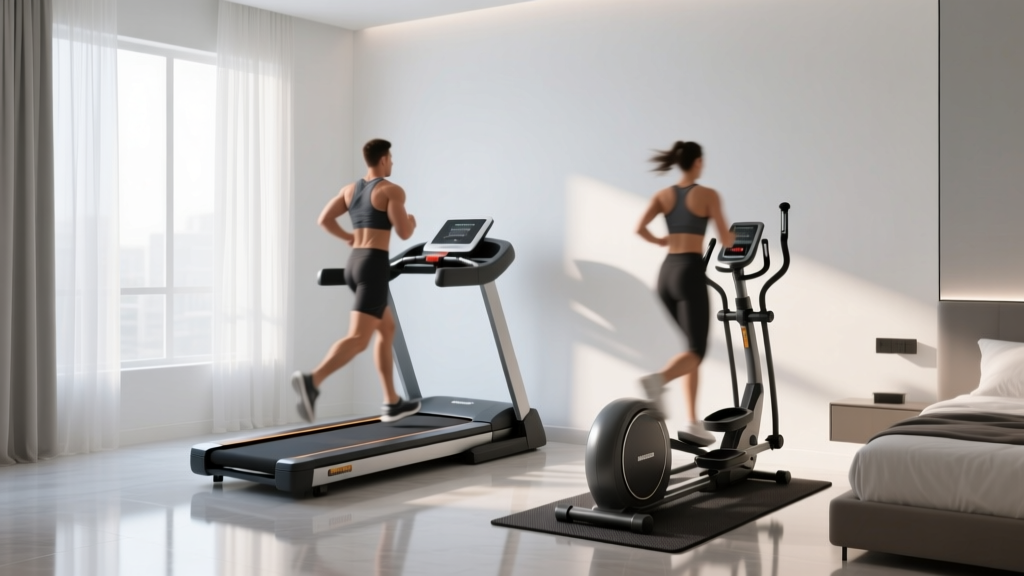
NordicTrack 1750 Treadmill Review: Small Space Maintenance Guide
Read our NordicTrack 1750 treadmill review focusing on small-space longevity, folding mechanism care, and essential maintenance tips for 2026 owners.

The Small-Space Reality: Owning a Commercial-Grade Folding Treadmill
When evaluating the best folding treadmills for compact home gyms, the NordicTrack Commercial 1750 consistently dominates the conversation. It packs a massive 3.5 CHP motor, a 22-inch interactive HD touchscreen, and a -3 to 15% incline/decline range into a chassis that technically folds. However, as any seasoned fitness equipment technician will tell you, 'folding' does not mean 'maintenance-free.' In fact, operating a heavy-duty machine like the 1750 in a confined apartment or spare bedroom introduces unique environmental stressors that can drastically reduce its lifespan if ignored.
In this comprehensive NordicTrack 1750 treadmill review, we are bypassing the standard unboxing experience to focus entirely on long-term ownership, maintenance care, and longevity tips specifically tailored for small-space environments. According to equipment testing guidelines from Wirecutter's treadmill experts, the leading cause of premature treadmill failure in home environments is not mechanical defect, but improper maintenance and poor spatial ventilation. Here is exactly how to protect your investment in 2026.
The SoftDrop Folding Mechanism: Preventing Hinge Failure
The NordicTrack 1750 utilizes the 'SoftDrop' hydraulic folding system, allowing the 300-pound deck to lower slowly and safely. In a small space, you are likely folding and unfolding the unit daily. This high-frequency articulation puts immense lateral stress on the pivot bolts and the hydraulic cylinder.
Lubrication and Bolt Inspection
Every six months, you must inspect the main pivot hinge located at the rear uprights. Dust and pet hair—which accumulate much faster in small, multi-use rooms—will mix with factory grease to form an abrasive paste.
- Clean the Hinge: Use a degreaser and a stiff nylon brush to remove black particulate buildup from the pivot joints.
- Re-lubricate: Apply a high-quality white lithium grease to the pivot points. Never use WD-40 or standard silicone sprays, as these will attract more dust and strip the internal bearings.
- Torque Check: Use a socket wrench to check the main pivot bolts. Vibration from running at 8+ mph can loosen these over time, leading to a dangerous lateral wobble when the deck is raised.
Belt Alignment and Deck Friction in Dusty Environments
Small spaces often lack the advanced HVAC filtration of larger homes, meaning ambient dust settles directly onto the 22" x 60" running belt. When dust works its way under the belt, it increases friction against the wooden deck. This forces the 3.5 CHP motor to draw excess amperage, leading to overheating and eventual motor control board (MCB) failure.
To maintain the belt and deck, you must adhere to a strict cleaning and lubrication schedule. According to manufacturer guidelines available via official NordicTrack support documentation, proper belt lubrication is the single most important factor in preserving your treadmill's motor.
Step-by-Step Belt Maintenance Protocol
- The Tissue Test: Slide your hand under the belt at the center of the deck. If it comes out dry, it is time to lubricate. If it feels slightly oily, you are good for another month.
- Apply Silicone: Lift the edge of the belt and apply exactly 1 ounce of 100% pure liquid silicone treadmill lubricant in a zig-zag pattern down the center of the deck. Never use petroleum-based products.
- Distribute the Lube: Turn the treadmill on to 3.0 mph and walk on it for 3 minutes to evenly distribute the silicone.
- Check Alignment: Stand at the rear. If the belt is drifting left, insert the Allen wrench into the left rear idler roller bolt and turn it exactly one-quarter turn clockwise. Wait 10 seconds to observe the tracking before making further adjustments.
Motor Ventilation and Electrical Surge Protection
The most common mistake small-space owners make is pushing the folded treadmill flush against a wall or wedging it into a tight alcove. The 1750’s motor hood features an intake fan that requires a minimum of 8 to 12 inches of clearance on all sides to pull in cool air. When suffocated, the motor overheats, triggering thermal shutdowns or permanently frying the Motor Control Board (MCB). Replacing an MCB on a Commercial 1750 typically costs between $180 and $220 for the part alone.
Furthermore, apartment dwellers must consider electrical circuit sharing. If your treadmill shares a 15-amp circuit with a window AC unit, a microwave, or a space heater, the voltage fluctuations will degrade the treadmill's internal electronics.
| Maintenance Task | Frequency | Tools / Materials Needed | Est. Cost |
|---|---|---|---|
| Belt Silicone Lubrication | Every 150 miles / 3 months | 100% Liquid Silicone | $12.00 |
| Pivot Hinge Greasing | Every 6 months | White Lithium Grease | $8.00 |
| Motor Hood Vacuuming | Monthly | Shop-Vac with brush attachment | $0.00 |
| Surge Protector Check | Annually | 2000+ Joule Surge Strip | $35.00 |
| Drive Belt Tension Check | Annually | Phillips screwdriver, flashlight | $0.00 |
Calibrating the Incline and Decline Sensors
The 1750’s ability to decline to -3% is a standout feature, but the lift motor and position potentiometer are highly sensitive to dust and power surges. If you notice the treadmill struggling to reach a full 15% incline, or if it displays an 'Error 2' (Incline Error) on the console, the system needs recalibration.
'Many users assume an incline error means the motor is dead. In 80% of cases, the machine simply lost its positional memory due to a micro-power interruption. Running the auto-calibration sequence takes three minutes and saves an unnecessary service call.'
— Independent Fitness Equipment Repair Technician
To recalibrate, remove the safety key, hold down the 'Stop' and 'Speed Up' buttons simultaneously, and reinsert the safety key. The machine will automatically cycle through its full -3 to 15% range to reset the internal potentiometer limits. For more comprehensive troubleshooting data, industry databases like Consumer Reports' treadmill guides frequently highlight the importance of understanding onboard diagnostic modes before paying for out-of-warranty repairs.
Troubleshooting Common 1750 Error Codes
- Error 1 (Belt Speed): Usually indicates excessive friction. Lubricate the deck and check for debris wrapped around the front roller.
- Error 2 (Incline): Perform the calibration sequence mentioned above. If it fails, inspect the lift motor wires for pinching near the folding hinge.
- Console Rebooting Randomly: A classic sign of voltage drops. Ensure the treadmill is on a dedicated 15-amp circuit and not plugged into an overloaded power strip.
Final Verdict on Longevity
The NordicTrack Commercial 1750 remains an exceptional piece of engineering for 2026, offering commercial gym metrics in a foldable footprint. However, treating it like a disposable piece of furniture will lead to rapid degradation. By respecting the spatial requirements of the motor hood, strictly adhering to the silicone lubrication schedule, and properly managing the folding hinge geometry, you can easily push the lifespan of your 1750 well past the 7-to-10-year mark, ensuring your small-space gym remains a reliable sanctuary for your cardiovascular health.
More gear to consider
All reviews
RowErg vs WalkingPad P1 Foldable Treadmill Review
Rowing Machine Guide: What Does the Treadmill Target vs. Rowing?

Curved vs Motorized: LifeSmart 2301 Folding Treadmill Compared
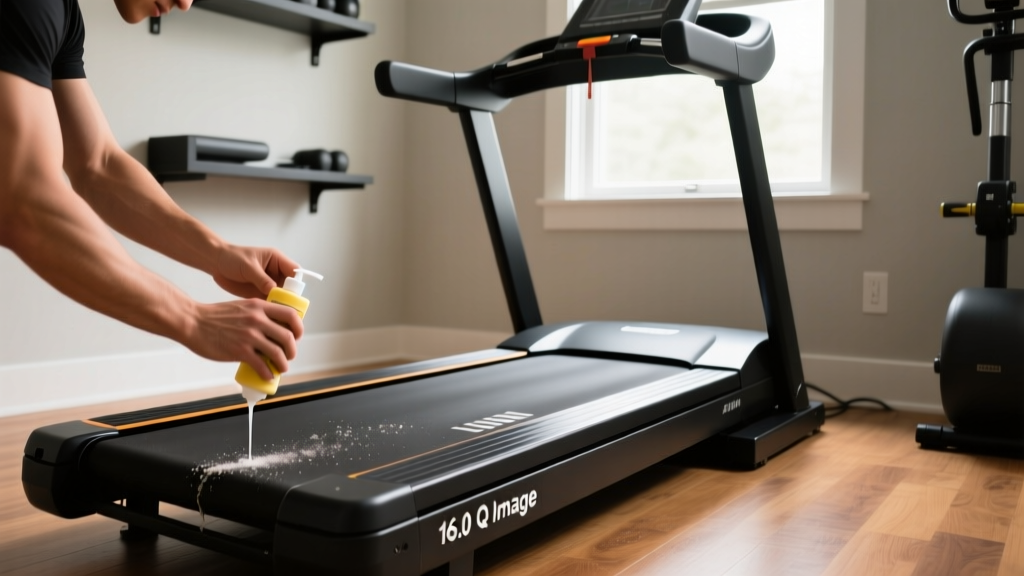
16.0 Q Image Treadmill Belt Maintenance for Compact Home Gyms
Sole 63 Treadmill Motor Troubleshooting & HP Guide