Can You Lose Weight Walking On A Treadmill? Pad Mistakes
Discover if you can lose weight by walking on the treadmill. We compare top 2026 walking pads and troubleshoot common weight-loss and form mistakes.

The Caloric Reality: Can U Lose Weight By Walking On The Treadmill?
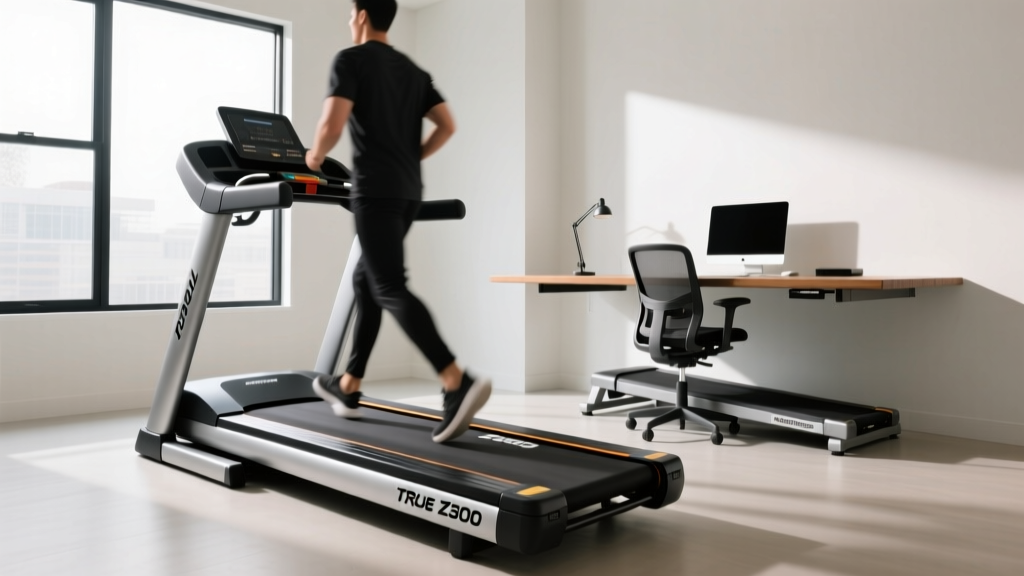
The explosion of under-desk walking pads has transformed the modern home office, but it has also sparked a highly debated fitness question: can u lose weight by walking on the treadmill if it is just a low-speed, flat walking pad? The short answer is yes, but only if you understand the mathematics of Non-Exercise Activity Thermogenesis (NEAT) and avoid the common biomechanical and routine mistakes that render these devices ineffective for fat loss.
According to the Mayo Clinic, walking is a highly effective tool for weight management, but the caloric expenditure is entirely dependent on your speed, body weight, and duration. A 155-pound individual walking at a leisurely 2.0 mph on a flat walking pad burns roughly 133 calories per hour. However, bumping that speed to 3.5 mph increases the burn to nearly 298 calories per hour. To lose one pound of fat, you must maintain a deficit of 3,500 calories. Therefore, relying on a slow, 20-minute daily stroll on a walking pad will not yield visible weight loss without a strict dietary caloric deficit.
Walking Pad vs. Traditional Treadmill: 2026 Comparison Matrix
Not all treadmills are created equal. When attempting to lose weight, the machine's motor capacity, belt width, and incline options dictate your maximum caloric output. Below is a 2026 comparison of top-rated walking pads versus a standard entry-level traditional treadmill.
| Feature | UREVO Strol 2E (Pad) | KingSmith WalkingPad R2 | Horizon Fitness T101 (Standard) |
|---|---|---|---|
| Price Range | $279 - $299 | $479 - $499 | $599 - $649 |
| Motor (CHP) | 1.0 HP | 1.25 HP | 2.5 CHP |
| Max Speed | 3.5 mph | 7.5 mph (handle up) | 10.0 mph |
| Incline | None (0%) | None (0%) | 0% - 10% Power Incline |
| Belt Width | 15.0 inches | 17.3 inches | 20.0 inches |
| Weight Loss Potential | Low-Moderate (NEAT focus) | Moderate (Brisk walking) | High (Incline + Jogging) |
4 Common Walking Pad Mistakes Sabotaging Your Deficit
If you are logging 10,000 steps a day on your walking pad but the scale is not moving, you are likely falling victim to one of these prevalent troubleshooting failures.
1. The "10,000 Steps" Fallacy Without Dietary Tracking
Many users assume that hitting 10,000 steps on a walking pad grants them a caloric free pass. Ten thousand steps at a slow 1.5 mph under-desk pace burns roughly 250 to 300 calories. If you consume an extra 400-calorie latte because you "earned it" by walking, you are actively gaining weight. You must track your Total Daily Energy Expenditure (TDEE) and ensure your dietary intake remains below it.
2. Ignoring Heart Rate Zones
Strolling at 1.5 mph while answering emails keeps your heart rate in the resting zone. To trigger meaningful cardiovascular adaptations and optimize fat oxidation, you need to push into Zone 2 (roughly 60-70% of your max heart rate). For most adults, this requires a pace of at least 3.0 to 3.5 mph, which is difficult to maintain while typing on a keyboard.
3. Poor Desk Ergonomics and Shortened Strides
Standard desks are 29 to 30 inches high. Placing a 5-inch walking pad underneath raises your keyboard to 35 inches, forcing you to shrug your shoulders and shorten your stride to maintain balance. This shortened, shuffling gait reduces the engagement of your glutes and hamstrings, lowering your caloric burn by up to 15% compared to a full, natural stride.
4. Over-Reliance on Flat Incline
Walking pads lack incline motors. Walking on a 0% grade significantly limits your energy expenditure. The American Heart Association recommends varying your intensity to improve cardiovascular health. Without an incline, you miss out on the 30-40% increase in caloric burn that a 5% to 10% grade provides.
Expert Warning: Never attempt to manually prop up the front of a folding walking pad with books or blocks to simulate an incline. The 1.0 HP motors in budget pads are not designed for the increased friction and gravitational load of an incline, which will quickly burn out the motor controller board and void your warranty.Troubleshooting Hardware and Biomechanics
Beyond weight loss plateaus, walking pads introduce specific mechanical and physical issues that require troubleshooting.
Belt Slipping and Drifting
The Problem: After 50 to 100 miles of use, the walking pad belt may slip when you step on it or drift to the left/right, causing the edge to fray against the plastic side rails.
The Fix: Locate the two adjustment holes at the rear of the treadmill. Using the provided 5mm Allen wrench (hex key), turn the bolt on the side the belt is drifting toward by exactly one-quarter turn clockwise. Walk on the pad at 2.0 mph for two minutes to let the belt center itself. Repeat if necessary. Never turn the bolts more than a half-turn at a time, or you will over-tension the belt and strain the 1.0 HP motor.
Knee and Hip Pain from Narrow Belts
The Problem: Budget walking pads feature 15-inch wide belts. This forces users to adopt a tightrope walking gait, internally rotating the femur and placing unnatural torque on the knee joints.
The Fix: If you experience medial knee pain, you must consciously focus on hip-width spacing. If your natural hip width is wider than 12 inches, a 15-inch belt is biomechanically unsafe for you. Upgrade to a traditional treadmill with a minimum 20-inch belt width, such as the Horizon T101, to allow for a natural, joint-safe gait cycle.
Motor Overheating and Shut-offs
The Problem: The motor suddenly stops mid-walk, and a burning smell is present.
The Fix: Walking pads use small, fan-cooled motors that easily overheat if used for more than 60 continuous minutes or if the belt lacks lubrication. Apply 100% silicone treadmill lubricant (never use WD-40 or petroleum-based oils) every 150 miles. Lift the belt, apply a zigzag pattern of silicone oil to the deck, and run the pad at 2.0 mph for 3 minutes to distribute it.
The NEAT Protocol: Maximizing Fat Burn at Your Desk
To successfully lose weight using a walking pad, you must leverage NEAT (Non-Exercise Activity Thermogenesis). The Cleveland Clinic notes that NEAT can account for up to 15-30% of your daily caloric expenditure. Here is the optimal 2026 under-desk protocol for fat loss:
- The 25/5 Cadence: Walk at 2.0 mph for 25 minutes while doing low-cognitive tasks (reading emails, watching lectures). Stop for 5 minutes to stand or sit. This prevents mental fatigue and lower back stiffness.
- The Brisk Finish: Once the workday ends, remove the keyboard tray, raise the walking pad handle (if applicable, like on the WalkingPad R2), and walk at 3.5 mph for 20 minutes to push your heart rate into Zone 2.
- Weighted Vest Integration: Since you cannot increase the incline on a walking pad, wear a 10-pound weighted vest during your under-desk walks. This safely increases your caloric burn by roughly 10-12% without requiring faster speeds that disrupt typing.
Final Verdict
So, can you lose weight by walking on the treadmill? Absolutely, provided you treat the walking pad as a tool for cumulative daily energy expenditure rather than a replacement for high-intensity cardio. If your goal is strictly high-calorie burning in a short 30-minute window, a traditional treadmill with a 10% incline is vastly superior. However, if you want to seamlessly add 400 to 600 extra calories of NEAT burn to your daily routine while working, a high-quality walking pad like the KingSmith R2 or UREVO Strol 2E is an outstanding, space-saving investment for long-term weight management.
More gear to consider
All reviews
Space-Saving Cardio: ProForm Carbon XL Treadmill & Portable Options

Petsite Treadmill Review: Best Folding Cardio for Small Spaces

Resistance Band Treadmill Guide: Walking Pad Comparison & Review

Elliptical vs Treadmill: 2026 Treadmill Outside Market Trends
Rowing Machine Setup: Better Than Cheap Treadmills for Home