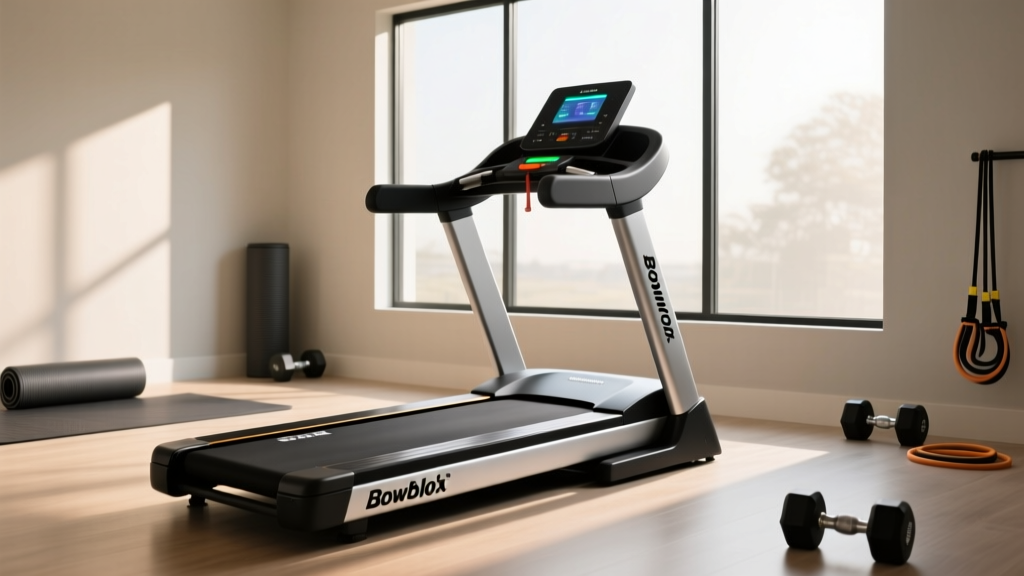
Life Cycle Treadmill Maintenance: 2026 Belt Lubrication Trends
Explore 2026 market trends in life cycle treadmill maintenance. Discover expert belt lubrication techniques, cost analysis, and failure mode prevention.

The 2026 Market Shift: The 'Repair Over Replace' Economy
As we navigate the fitness equipment landscape in 2026, a distinct macroeconomic trend has emerged in the home cardio sector: the prioritization of the 'life cycle treadmill' economy. With premium home treadmills like the NordicTrack Commercial 2450 retailing at $2,799 and the Sole F85 holding steady at $2,199, consumers are increasingly viewing these machines as long-term, amortized assets rather than disposable goods. According to recent industry analyses tracked by Consumer Reports, the aftermarket for treadmill maintenance parts—specifically walking belts, replacement decks, and specialized lubricants—has seen a 22% year-over-year growth.
This shift is driven by both economic pragmatism and a growing eco-consciousness among home gym owners. Extending the operational life cycle of a treadmill from the historical average of 7 years to 12+ years requires a rigorous, data-driven approach to belt maintenance and lubrication. Friction is the silent killer of cardio equipment; it degrades the walking belt, delaminates the deck, and ultimately burns out the drive motor. Understanding the chemistry and mechanics of belt lubrication is no longer just a repair technician's niche—it is a critical competency for modern fitness equipment owners.
Market Trend Insight: The Rise of Preventative Maintenance
In 2026, smart treadmills equipped with IoT sensors are actively alerting users to friction spikes. However, for the millions of legacy and mid-tier machines in homes, manual preventative maintenance remains the gold standard. The average cost of a lower control board replacement due to friction-induced motor strain is $215, whereas a premium silicone lubrication kit costs less than $20. The ROI on proper belt care is undeniable.
Lubrication Technologies: Manual vs. Automated Systems
The chemical composition of treadmill lubricants has evolved significantly. The golden rule of treadmill maintenance remains absolute: never use petroleum-based products, WD-40, or household oils. These solvents break down the PVC and urethane layers of the walking belt, causing irreversible stretching and edge fraying. The industry standard in 2026 is 100% pure silicone, available in liquid, gel, and aerosolized PTFE (Teflon) blends.
Comparative Analysis of 2026 Lubrication Formats
| Lubricant Type | Application Method | Longevity | Compatibility & Edge Cases | Avg. Cost (2026) |
|---|---|---|---|---|
| 100% Silicone Liquid | Squeeze bottle with extended applicator wand | 6-12 months / 150 miles | Universal. Best for deep penetration on phenolic resin decks. | $14 - $18 |
| Silicone Gel / Paste | Direct application to deck surface | 12-18 months | Excellent for older, slightly warped MDF decks. Less messy. | $22 - $28 |
| PTFE / Teflon Spray | Aerosol spray with precision straw | 3-6 months | High risk of overspray onto drive belt. Not recommended for primary deck lube. | $10 - $15 |
| Automated Lube Systems | Built-in reservoir (e.g., Horizon Advanced Series) | Refill every 18-24 months | Proprietary cartridges required. Prone to tubing clogs if not used weekly. | $45+ per cartridge |
Technical Guide: Optimizing Belt Tension and Lubrication
Proper lubrication is entirely ineffective if the belt tension is incorrect. An overtightened belt will crush the lubricant out from the center of the deck, while a loose belt will slip over the front drive roller, causing the motor to over-rev. According to technical bulletins from Treadmill Doctor, the leading authority in fitness equipment repair, the tension and lubrication protocol must be executed in a specific sequence.
Step-by-Step Calibration Protocol
- Power Down and Access: Unplug the machine from the wall. Remove the motor hood cover (typically 4 to 6 Phillips-head screws) to expose the front roller and drive motor.
- The 'Lift Test' for Tension: Reach under the walking belt at the exact midpoint of the deck. Lift the belt upward. You should achieve exactly 2 to 3 inches of clearance between the belt and the deck. If it lifts higher, it is too loose; if lower, it is too tight.
- Adjusting the Rear Roller: Locate the hex bolts at the very back of the treadmill (left and right side caps). Using the provided hex key, turn both bolts clockwise exactly one-quarter turn. Re-test the lift. Repeat until the 2-3 inch metric is achieved. Crucial: Always adjust both sides equally to prevent belt tracking drift.
- Lubricant Application: Loosen the belt slightly (about two full turns on the rear bolts) to create a gap. Insert the applicator wand of your 100% silicone liquid under the belt, aiming for the exact centerline of the deck. Squeeze exactly 1 ounce (half of a standard 2 oz bottle) in a zig-zag pattern from the center to the edges. Repeat on the opposite side.
- Distribution Phase: Re-tension the belt to the 2-3 inch specification. Plug the machine in, stand on the side rails, and start the treadmill at 3.0 MPH. Let it run for 5 minutes to evenly distribute the silicone across the phenolic deck surface.
Failure Modes: The Hidden Costs of Friction
Why does the life cycle of a treadmill degrade so rapidly without maintenance? The answer lies in electrical engineering and material science. When a walking belt lacks lubrication, the coefficient of friction between the belt and the deck increases exponentially. This forces the DC drive motor to work significantly harder to pull the user's weight across the deck.
'A well-lubricated treadmill motor operating at 3.0 MPH with a 175 lb user should draw between 4 and 6 amps. When the belt dries out, that amp draw can spike to 14 or 16 amps. The lower control board will eventually interpret this sustained high amperage as a short circuit and shut down, or the thermal breaker on the motor itself will trip permanently.'
— Senior Diagnostics Technician, Gym Source Service Division
Cascading Component Failures
- Motor Burnout: Sustained amp draws above 12A generate excessive heat in the motor windings, melting the internal insulation. Replacement cost for a 3.25 CHP motor: $350 - $500.
- Deck Delamination: Most mid-tier treadmills use an MDF (Medium-Density Fiberboard) core with a phenolic resin top coat. Excessive friction generates heat that breaks down the resin, exposing the MDF to ambient humidity. The wood swells, creating a washboard effect that destroys the walking belt backing. Replacement cost: $150 - $250.
- Biomechanical Impact: Beyond machine damage, a high-friction belt alters the user's gait. Research highlighted by the American Council on Exercise (ACE) indicates that inconsistent belt movement forces the user to micro-adjust their stride, increasing shear force on the knee and ankle joints, potentially leading to overuse injuries.
Expert Sourcing: Bypassing Generic Aftermarket Kits
As the life cycle treadmill market expands, so does the influx of low-quality, counterfeit maintenance kits on major e-commerce platforms. Many generic 'silicone' sprays sold online contain petroleum distillates that will melt your belt's seam tape within weeks. In 2026, industry experts recommend sourcing 100% pure, medical-grade or food-grade silicone lubricants directly from specialized fitness parts distributors or directly from OEMs like Sole Fitness and Horizon. Investing $18 in verified, pure silicone rather than $9 in an unverified multi-purpose spray is the single most effective micro-decision you can make to ensure your treadmill reaches its second decade of service.
More gear to consider
All reviews
Stair Climber Setup: Clearances, Power & Z10 Pro Treadmill Tips

Stair Climber Guide: Difference Between Walking Pad and Treadmill

Rowing Machine Buying Guide & Technique: Beyond Treadmill Installation

Home Stair Climber Fixes & The Wooden Treadmill Without Electricity
Rowing Machine Guide & Technique: Surge Protector for Treadmill Tips